In elementary and middle school, I was usually the only black friend in the group, which never really bothered me. I was used to it and I really didn’t think twice about it. The white people would always say things to me like, “You’re not the typical black girl," or “Oh, you’re not black, you’re white.” These statements always made me feel weird, but I would usually just ignore them and not think about it again.
In Junior High and High School, more people began to comment on my “lack of blackness.” They said I didn’t talk or act like how other black girls do. I generally listened to pop music so kids would say I "wasn’t black" because I wasn’t listening to rap music. White kids would say things like this to me as a "compliment" and black kids would say it to tease. Either way, I wasn’t living up to the stereotypes of each group.
Before I tell how I learned to deal with these stereotypes placed on me, I would like to explain something. Even though black people have come a long way in America since the 1800's, we are still fighting for equality today, and a lot of this fight includes social equality. If you’re born black in America, you are born with people placing just about as many stereotypes as you can think of on you.
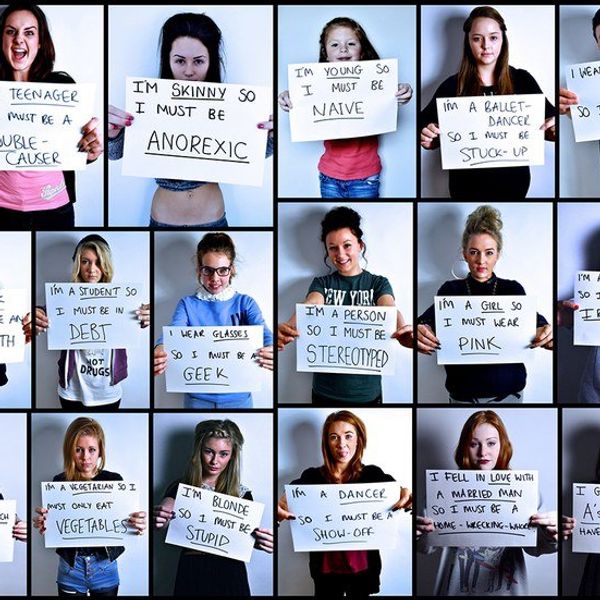
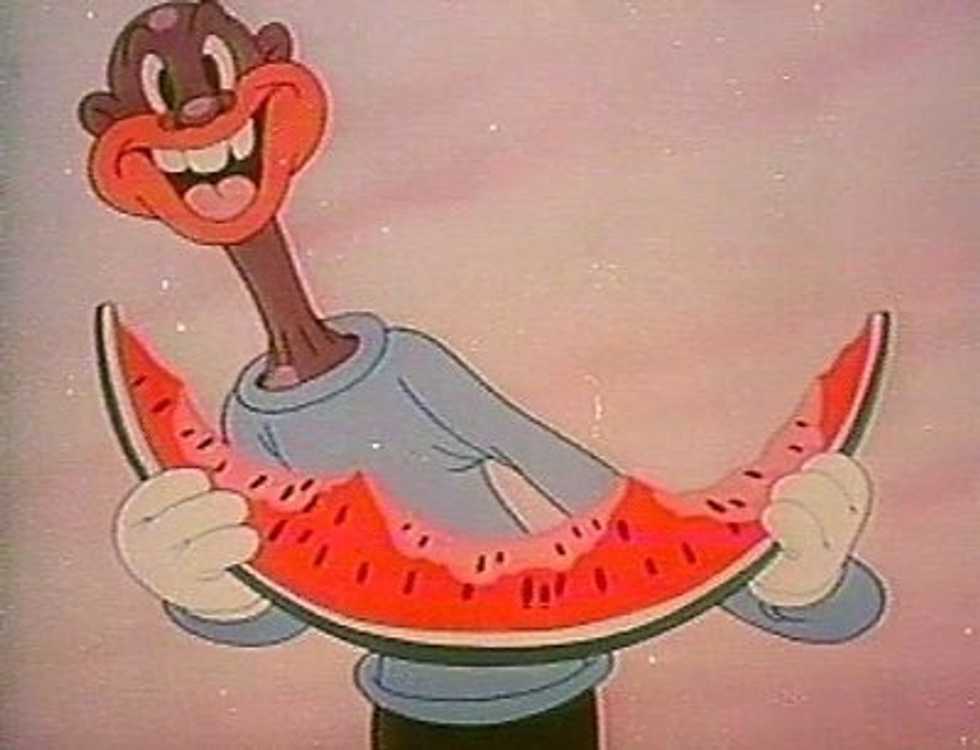
As a black girl, people saw me and assumed that I would be loud, ghetto, uneducated, angry, and unattractive. These stereotypes have been built over the years and most people probably don’t even realize they have them. As a teenager, though, I knew of these stereotypes and when people said things to me about being "white," I would take it as a compliment because I knew that they were trying to say I don’t have the characteristics of a black girl that they were expecting me to have.
It took me until high school to realize how offensive all of it was. There was one moment when my friend was singing some rap song and when I told her I didn’t know it, she said that she was "blacker than me." At first, I did what I usually did and just ignored it, but then later on that day, I started thinking about what she said. It was wrong of her to tell me that I was less of a black person just because I didn’t know a song from a genre that is generally listened to by blacks. However, I couldn’t expect my friend to know what she said was wrong because for years, others made similar comments and I never got mad. So I decided it was time for a change. I began to call out people when they would make stereotypical comments about my race and eventually people began to stop.
Now my point here wasn’t to tell my life story but to bring attention to this problem and explain my side. Telling a black person they are not black because they don’t have all the stereotypes that society has created for us is just wrong and it really needs to stop. Not just from white people but from blacks as well. I received just as many comments about being an “oreo” from blacks. We can’t ask for society to see us as more than what they do now if we don’t do the same for ourselves.
Anyone can be anything they want to be and so can blacks, but to be able to become these things, blacks must get out from under the shadows created by the stereotypes society has cast upon on us, because it’s the first thing people notice when they see us.