

It is fairly well known that within the film industry women and minorities are under represented. A study on gender equality in film found “Only 30.2% of the 30,835 speaking characters evaluated were female across the 700 top-grossing films from 2007-2014.” This is a staggering difference, and it clearly illustrates the very real inequality of gender in film.
Furthermore, this gender inequality increases with age. The same study estimated that of the 9,522 characters between the age of 40-60 only 21.8 percent of these characters were women.
Due to these facts, when I walk into film I start to consider not only the films narrative structure and plot development, but the sociological structure presented on the screen.
I grew up watching Star Wars with my stepdad. We watched all the films together, and I loved the characters and story. When we visited Disney Land I would sit through simulators that made me sick, just to experience the thrill that I, my step dad, and so many others came to love. When it was announced that Disney had bought the rights to Star Wars, I was ecstatic, and like all the other lovers of this fandom I began waiting for a new Star Wars film to be created and released.
After much anticipation, I finally sat down in the movie theater, with 150 of my closest friends, and awaited the classic intro music and narration to begin before I was transported into that story world I grew up dreaming about. After watching the film, I was anything but disappointed.
On the a basis of gender and race, Disney and George Lucas were able to create a diverse cast that enabled every audience member to see a version of themselves positively represented on screen. The cast contained the classic characters: Han Solo and Princess Leia, but incorporated new additions to the cast: Rey and Finn. By casting equal and complimentary characters, the film was able to provide positive role models for everyone in the theater.
Princess Leia (Carrie Fisher), was portrayed with all the characteristics that come with aging, but even in her age she was represented as strong, wise, and respectable. It was genuinely refreshing to see the film industry take a woman who has proven herself to be a wonderful actress and represent her as a strong powerful woman, rather than an aging woman who fell into obscurity.
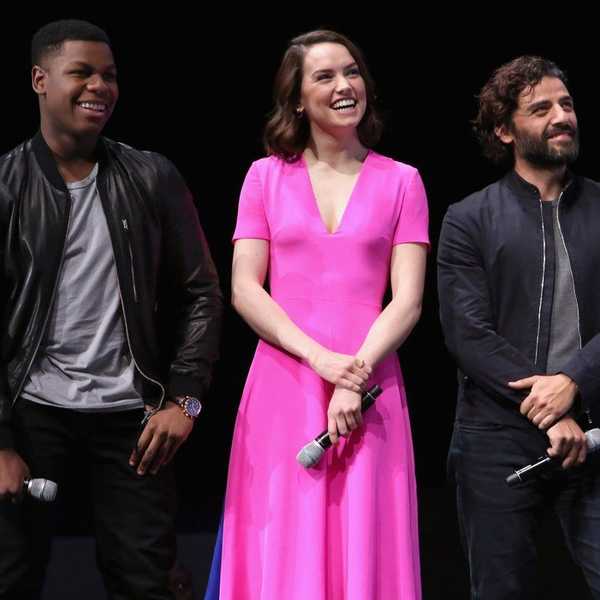
Rey (Daisy Ridley) and Finn (John Boyega) additionally proved to be powerful characters, responsible for crushing the “traditional” archetypes associated with gender and race. Rey, represents this new insurgence of strong, independent, capable heroines that have contributed to the creation of a new archetype of women in film, and better role model for young women who are inevitably influenced by what they see.
In the film industry, only 5.3 percent of all characters are African America, while 73.1% of all characters are white. Finn’s character and the Star Wars franchise were instrumental in providing the audience with a long awaited lead character who embodies strength, courage, and intelligence while breaking the archetype associated with the traditional leading man.
This new Star Wars film was incredible, in both plot and casting. The creative team incorporated aspects from the old franchise, and introduced new concepts that led to a wonderful film that broke traditional archetypes and enabled every person in the theater to feel included and accepted in the world of Star Wars.
If you haven't seen this film, take time to go see it. It's worth the hype.
















