



Feminist fans, rejoice! "Star Wars: The Force Awakens" passes the Bechdel test with flying colors. Created in 1985 by cartoonist Allison Bechdel, the test measures female involvement in film, as well as how well rounded those roles are. The test is based off of three simple, guiding principles: (1) It has to have at least two women in it. (2) The two women must talk to each other. (3) The two women must talk to each other about something other than a man. As easy as this test may seem, a huge number of movies, including many modern films, do not pass it. Let's dive deeper into the significant female roles of the new Disney movie.
*Caution: Slight spoilers ahead!*
1. Rey

Unlike any of the previous "Star Wars" films, this female is the main character rather than a supporting role. Rey, portrayed by Daisy Ridley, begins the film as a scavenger left on the desert planet of Jakku. Throughout the film, the audience sees just how strong and powerful she is as she comes to embrace her destiny.
2. General Leia
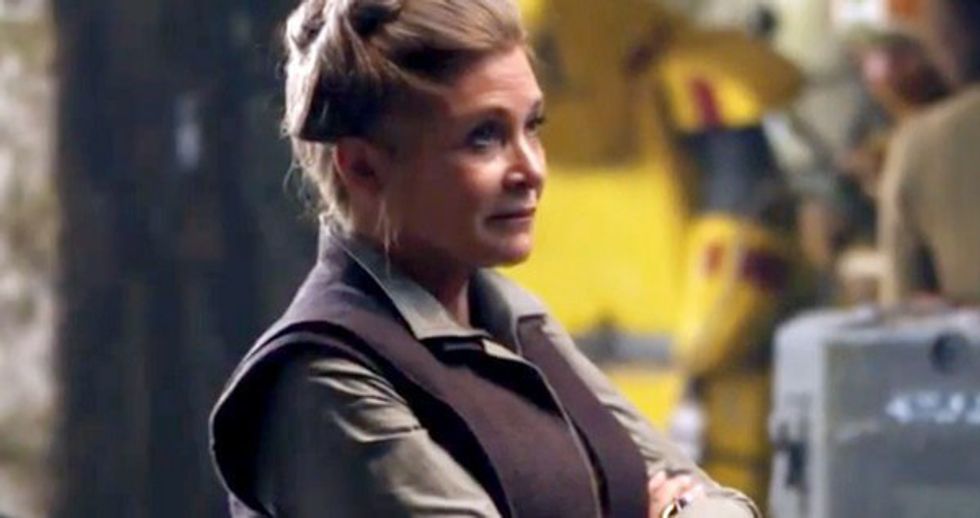
Long gone are the days of a bikini-clad Princess Leia. Although the original films did a good job of developing her into a strong female character, the trilogy did leave something to be desired. Leia, played by Carrie Fisher, has risen to the high-ranking role of General in the Rebellion and is no longer with Han Solo.
3. Captain Phasma

"Game of Thrones" fans will recognize this commanding officer of the First Order as Gwendoline Christie. Although much is left to be learned about her back story, it's exciting to see a woman portraying a high-ranking storm trooper.
4. Maz Kanata
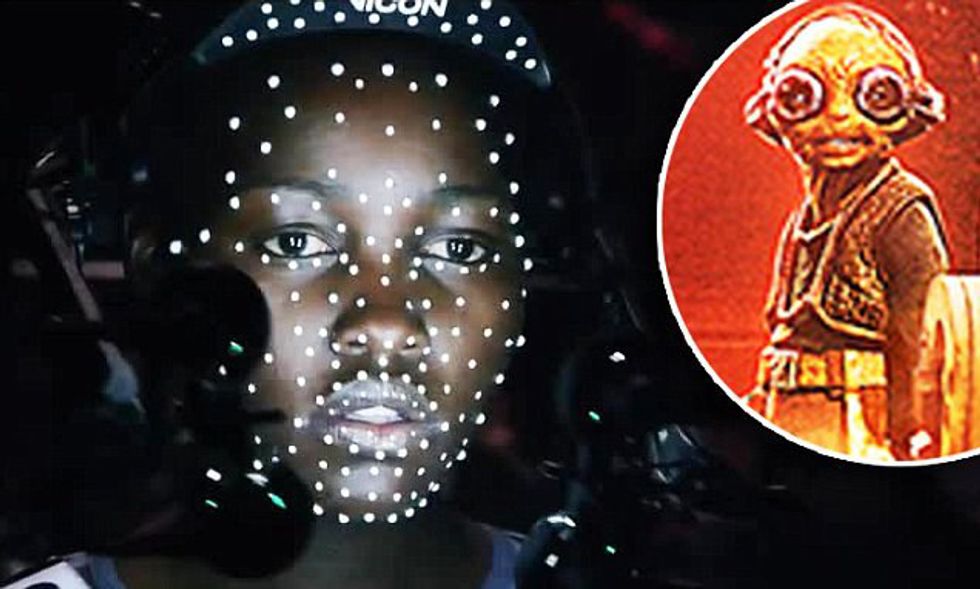
Lupita N'yongo's live action character is somewhat akin to Yoda. Maz Kanata is incredibly wise as she has lived a long life. She has been around long enough to "see the same eyes in different people."
Besides being incredibly enjoyable, the seventh "Star Wars" is not only feminist, but features characters of different races in starring roles. "The Force Awakens" is based off of the foundations made by the original films, but brings itself into the 21st century through the progressive portrayal of people of color and women.
















