

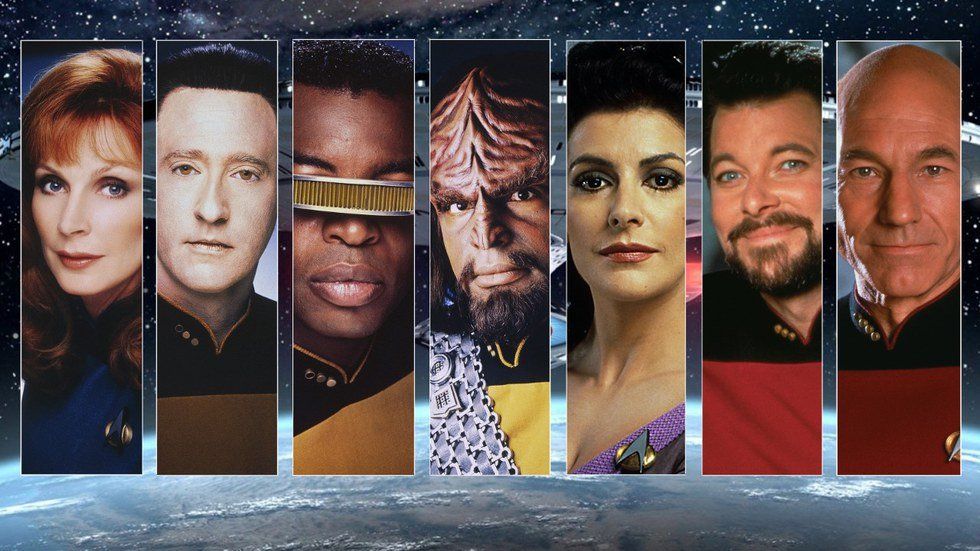
Trekkies around the world rejoiced on Nov. 2 when CBS announced the arrival of a new "Star Trek" series in 2017. This new saga will arrive after 12 years without an actively televised "Star Trek" series, the second longest only after the period between "The Animated Series" and "The Next Generation" (13 years). Attitudes range from apprehensive to optimistic, but everyone istalking about what the new series will bring to one of the largest and most influential enterprises in media history. These next steps are critically important because "Star Trek" isn't just some TV show; the legacy and impact of the show has influenced, inspired and changed the world.
This may seem like an over-the-top statement; it is, well, a show. But "Star Trek" has never been like most (it is, after all, a phenomenon that will reach its 50th anniversary in 2016 -- a longevity most franchises can only dream about). From the very beginning, Gene Roddenberry wanted the show to serve as a tale of adventure but to also promote progressive ideals about humanity and the future of humankind. True to his hopes, the show immediately began breaking down barriers; the original series had a main crew more diverse, both in race and gender, than many shows on-air today can even boast of and it also featured the first scripted interracial kiss on television. Nichelle Nichols' prominent supporting role as Uhura (one of the first roles where a black woman was not featured as a servant or slave) was so influential that Martin Luther King Jr. encouraged her to stay on the show, while Mae Jemison (the first black woman to become an astronaut) and Whoopi Goldberg (who would end up on "Star Trek" herself) cited her as personal influences. George Takei's role as Sulu was also seen as a highly influential portrayal of a positive and non-stereotypical Asian character. While the show (especially the early series) was by no means perfectly anti-racist and non-stereotypical, it represented one of the first enormous steps towards what Roddenberry saw as the future of humanity: Equality, peace and exploration.

The main crew of Star Trek: The Original Series. (Source: WIRED)
The technology that made exploration possible in "Star Trek" has also had a profound impact on our present. Tech that seemed impossible in the 60's permeates our culture today. Cell phones, transparent aluminum, teleportation and everything from self-opening doors to tricorders to tablet computers to androids to food replicators have become real, whether practically identical (in the case of the tablet computers) or somewhat similar (in the case of food replicators). Because of "Star Trek," the first space shuttle test vehicle was named Enterprise after a massive letter-writing campaign organized by Bjo Trimble (who says women are "fake geek girls," again?) convinced NASA to divert from its intended name for the orbiter, Constitution. The one elusive piece of tech in "Trek," the warp drive, continues to captivate minds and fuel research into alternative modes of space transportation, and the entire premise of extensive space exploration has provided a boost in people advocating for increases in space program funds worldwide.
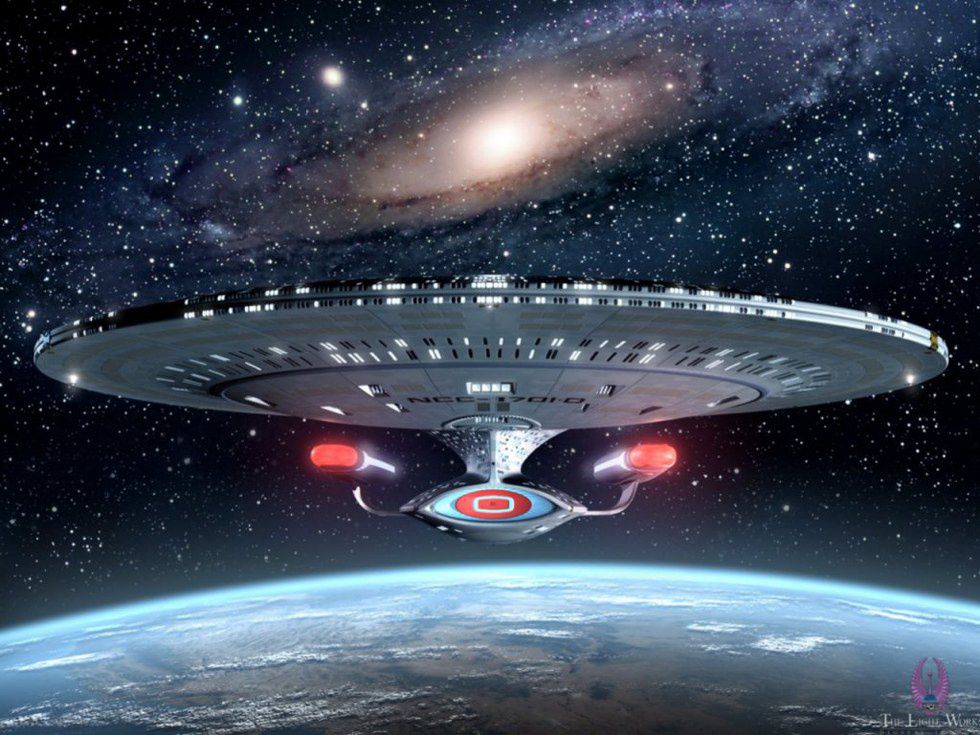
Dear Congress, please provide the funds for a rad new starship like this one. Love, everyone. (Source: StarTrekDesktopWallpaper)
If the progressiveness and technological influences aren't enough to prove "Star Trek" has unmatched power in changing the world; the inspiration the show has provided to the world has been unparalleled. Scientists, professors, doctors, engineers, astronauts, writers, mathematicians and many other people working in fields that bring about a better future have all cited "Star Trek" as an influence, whether it be through letters to cast members or their own articles. "Star Trek" was absolutely the cause of the most pivotal time in my life; I clearly remember watching "First Contact at the age of 14 and realizing exactly what I wanted to do with my life. I wanted to contribute to that breakthrough moment of first contact, I wanted to go to space, and I wanted to see the world change into one where money is no concern, peace is the objective and the desire for creating and learning and exploring -- for bettering humanity -- is all someone needs to propel them. For Gene Roddenberry, the future was a place of hope, not desolation. He did say, after all, "In the 24th century there will be no hunger, there will be no greed, and all the children will know how to read."

Human meets Vulcan (I'm afraid my bias for my favorite series is showing through) (source: Memory Alpha)
This philosophy of hope and change has been enough to inspire real hope and real change across the globe for the past 50 years. With the dawn of another series that will hopefully carry the torch of the philosophy of diversity, peace and hope, we are reminded that the dreams of what humanity can become are not dead. In our current age of zombie disaster flicks and bleak outlooks, there is still someone out there pointing up at the stars and showing us what we could become, someone who still celebrates humanity for the big mess that it is, someone who will still show us that we have a future worth fighting for, when very few others will.
Thank you, Gene Roddenberry, for being that someone.