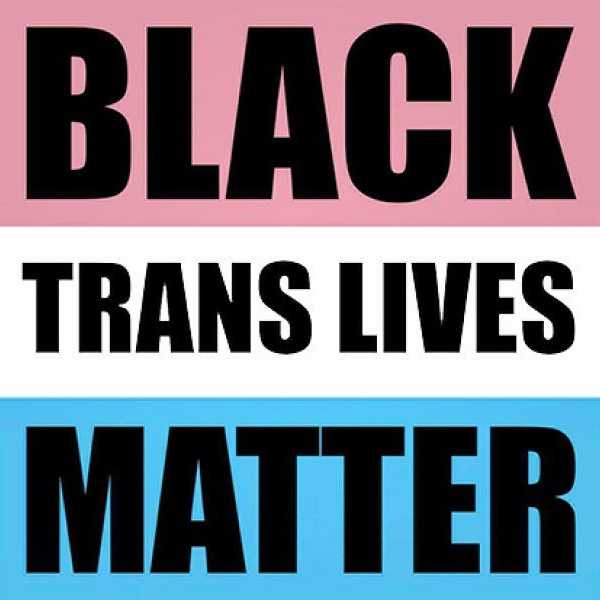
Tokenism has plagued our society for years. For those of you who have never heard the term before, "Tokenism" refers to the practice of integrating members of a "minority" group into the "majority" as symbols of diversity. It often serves the purpose of helping members of the majority feel better about having discriminated against the group in the past. And even if you had never put a name to it before, it's something we've all seen happen.
I'm sure we've all heard of the "token black friend." Tokenism has been used as a band-aid over the bullet hole that is inherent racism in U.S. society for years. Now, though the LGBTQ+ community is becoming more and more accepted with each passing year, tokenism has begun to be applied to them as well.
One of the areas where this is most apparent is literature.
This is surprising, considering how often literature has paved the way for acceptance and change. However, though a number of books have been written about members of the LGBTQ+ community, or include LGBTQ+ characters, authors and publishers still fail to represent the full spectrum of this community.
Usually, characters from the LGBTQ+ community are gay, white males. But all the other letters are included in the acronym for a reason. What about women who identify as bisexual, or people of color who are gender fluid? They deserve to have stories of their experiences told as well.
Another common problem with LGBTQ+ representation in literature is that, if the main character is a member of the community, the book is about them being gay. The story addresses challenges members of this community face, from coming out to relationship pressures. Which is super important, and these types of books definitely serve an important purpose. But why, if a main character isn't straight, does their sexuality have to be the plot of the novel?
The other place we commonly see LGBTQ+ characters is as peripheral characters. They often serve the purpose of comic relief as "the gay best friend." This practice is even worse. It reduces a group of people who are as complex as anyone else to a stereotype. That's not OK.
Sexuality and gender identity are each just one of many aspects that make up a person. Though it's important, someone's sexuality or gender identity is not the only thing that's important about them, nor is it the most important. It's time to stop writing about it like it is.
Stories about coming out and transitioning will always have a place. But so too should mystery novels in which the detective just happens to be a lesbian. Or fantasy stories that aren't centered on the wizard being transgender.
Literature holds an amazing power to put us into the shoes of someone completely different from ourselves. Coming out novels show readers the challenges and self-doubt members of the LGBTQ+ community still face in gaining acceptance in society. The next step is to "normalize" the gender/sexuality spectrum.
The problem with tokenism is that it upholds the "us and them" mentality society holds about minority groups. It upholds the idea that accepting a few of those who are "different" from us is enough, when what we need to do is teach ourselves, and our children, to stop thinking of them as "different."
The unfortunate truth is that society still teaches us to be prejudiced. Now that prejudice is below the level of our awareness though. We have to figure out that we are prejudiced before we can go about un-learning it. Both of which are difficult. Un-learning something is a lot harder than learning it.
Books are, and always have been, teachers. Books can put us in the shoes of characters who are of a different race, sexuality or gender identity than our own. Books can teach us that these aspects of a person don't make them "different." Rather, they're just one more element that make each and every one of us individual.
Individuality should be celebrated. But it's important to remember that individuality doesn't come from the color of someone's skin or the gender/s they find attractive. Individuality comes from a combination of traits unlike anyone else's, and the defining experiences that make up every single human life.
Members of groups considered the "minority" deserve to be represented as more than just tokens defined by one single trait. It's long past time they be written about as the complex humans they are. It will help people of every other group recognize them as not so different from themselves. It is only by taking the time to really get to know other people that we'll be able to finally start un-learning the long held prejudices of our society.