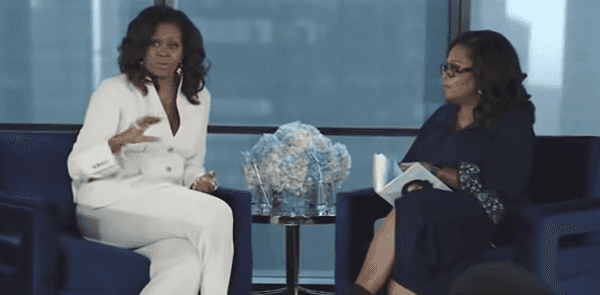

The other day, my friend sent me a link to a video featuring Colton Haynes being awarded the Human Rights Campaign Visibility Award. Haynes is a cisgendered, white male who is also gay. He gave a touching acceptance speech and cried, emotions pouring outwards and every word heartfelt. It was clear how much this meant to him. But one topic he touched upon was the fact that there are people, in his own words, more deserving of such an award. He just happens to be in the position where he can talk about his experiences, where he can be viewed in such a manner, and have relatively few fears.
I'm not saying he was undeserving of the award -- it is not the time to discuss that -- but what needs to be talked about is the fact that visibility is all too often combined with privilege. That is to say, it is common to conflate the two. People who are visible in a community, whether as activists or entertainers or some other capacity, are seen as having a privilege. After all, they have the platform to spread their message, right? But at best that’s a simplification of the issue and at worse that’s pure disregard for the reality many people face.
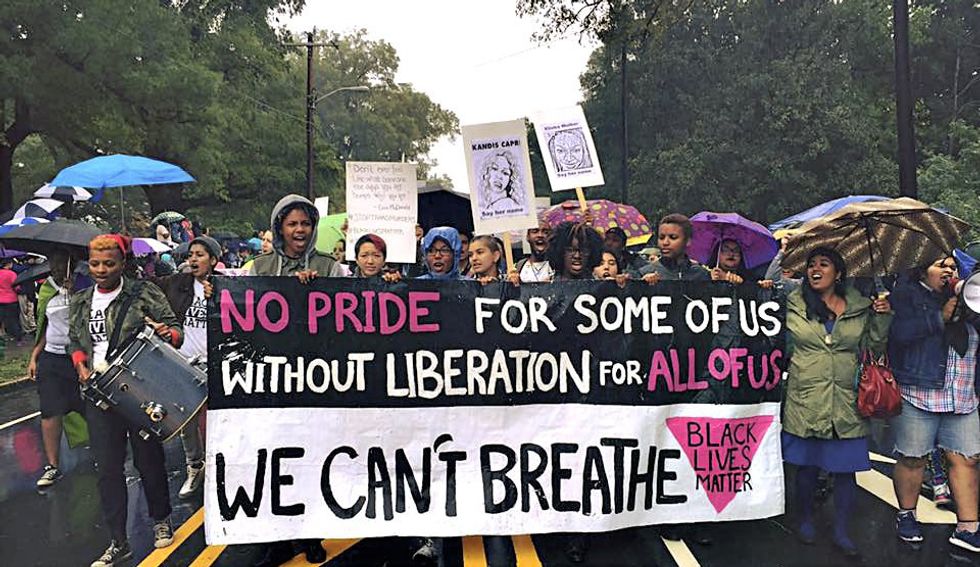
As a queer, trans, person of color (QTPOC) I am intimately aware of the problematic nature of this belief. According to the National Coalition of Anti-Violence Programs, LGBTQ+ people of color are 1.8 times more likely to experience physical violence compared to white peers. Transgender people experience violence and threats 1.6 times more than their non-trans peers. And of the anti-LGBTQ+ murders, 73.1% of the victims were people of color and 53.8 percent were trans women. Why? Because difference is not always celebrated. Difference can be deadly.
Black trans women of color are the most at-risk population in the LGBTQ+ community. Of the 19 trans people killed in 2016, the vast majority are black trans women. They are simply more visible than most gay men. Regardless of how some claim they have ‘gaydar,’ difference in physical appearance is one of the first things people see when looking at someone. For trans women of color, there are a myriad of factors in play. Do people see them as women first? Trans? Black or Latina or Asian? It really isn’t possible to know.
What is apparent is that someone’s perception of them, whether correct or incorrect, led to their deaths. And the statistics are clear: when you’re queer, when you’re a person of color, when you’re trans, when you’re a woman, you are at more danger than if you weren’t. Human nature leads us to be suspicious of people who are different than us and unlearning that instinct is a life of work. Unfortunately, many never get to that stage and internal biases continue to influence how they interact with others.
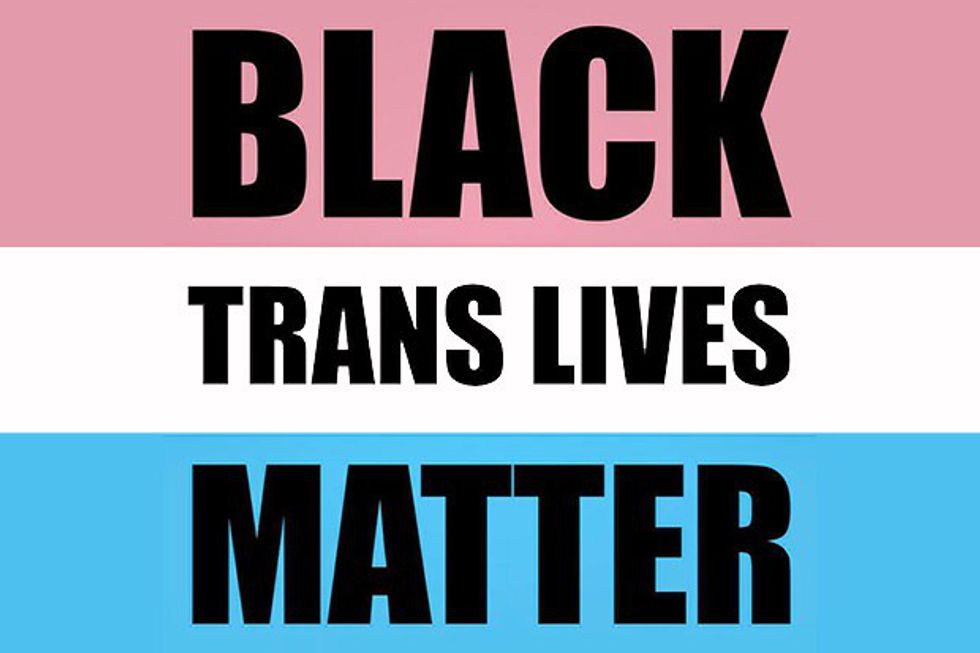
Understand, I’m not saying that cis, gay men are perfectly safe or that white women are safe. Everyone has different factors of their identity that come together and change how they interact with the world. That’s why intersectionality is so important. But certain groups are more vulnerable to violence and police brutality. In fact, some groups are exclusively targeted by others to be the victims of threats and violence.
Visibility plays a role in the cycles of violence and oppression that exist, that equate trans women of color to be killed more often than other queer people and to trans folk having a harder time finding housing and employment. See, no matter how good someone claims their ‘gaydar’ is, the truth is there is very little way of knowing if someone is gay or bi or whatever unless they tell you. When it comes to trans people, that’s largely the same principle.
But with those early on their transition, the lack of accordance to traditional gender presentation can be a huge indicator. Furthermore, it is difficult to change gender markers which are on many forms of identification. When cops or EMTs or potential employers see that a person’s presentation does not match up with what a piece of plastic says, many times that makes some fearful or distrustful of who they are interacting with.
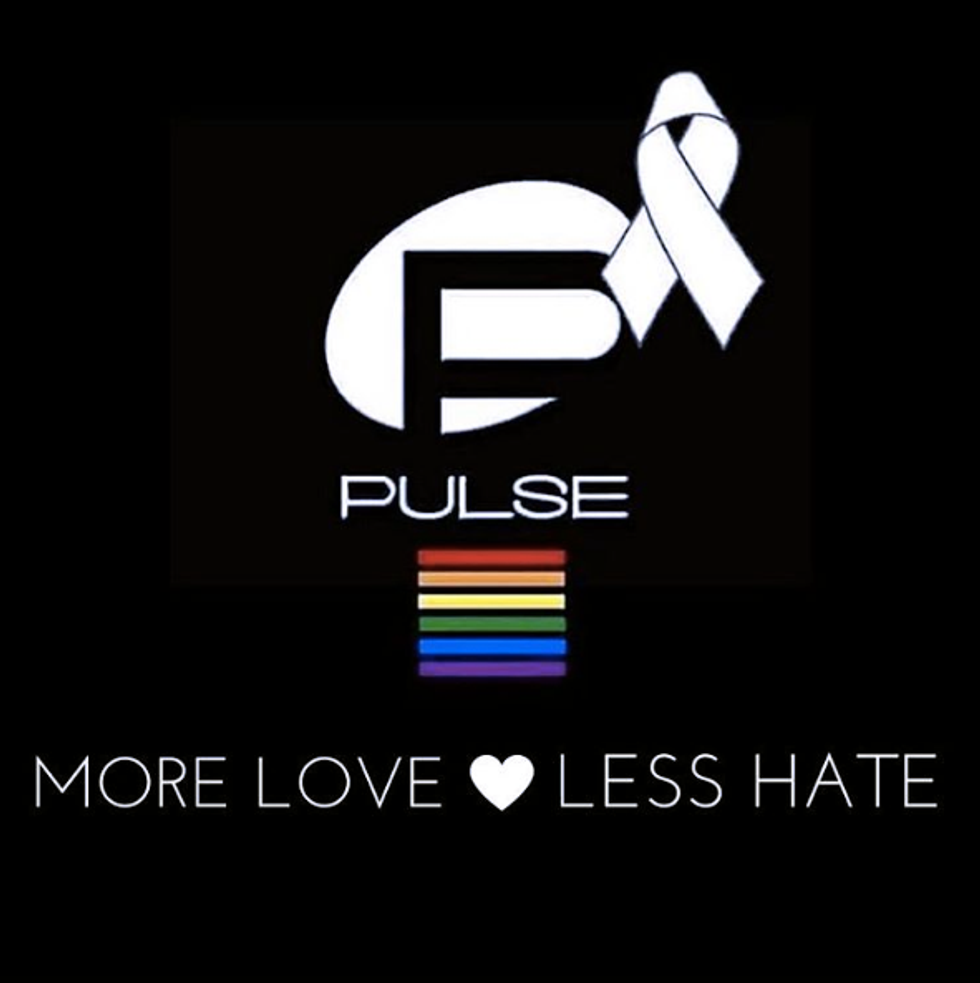
About three months ago, Pulse nightclub was targeted by a shooter. Almost 50 people were killed and dozens were injured. The vast majority were Latinx and many were also trans. To add to the devastation the LGBTQ+ community felt, the attack had taken place in what is historically safe space: a club/bar. And the entire community was hit by what had happened. There was a call for more security at pride parades, more gun control, more laws to be put into place to help LGBTQ+ people and people of color.
But it’s been three months and what has changed? Trans people still find themselves under attack by bathroom bills that specifically target them. Same-sex couples can marry and adopt but that doesn’t stop kids from getting disowned by families after coming out or from facing ostracization by peers. And trans folk face more difficulty getting jobs, finding housing, and just having adequate health care.
So yes, congratulations to Colton Haynes for your award. And yes, let us recognize the fact that people like Ellen and Anderson Cooper and Neil Patrick Harris have brought visibility to the lesbian and gay communities. And Caitlyn Jenner has made the media more aware of the fact that trans people exist. But their existence and their visibility does not make life easier for the QTPOC who do not have access to the spaces they need.
I look forward to the day visibility is a good thing for QTPOC. It would be my privilege.