
This week, a legend in our midst passed away. Alan Rickman, the actor who famously portrayed Severus Snape in the film adaptation of J.K. Rowling’s "Harry Potter" series, died at age 69.
In the wake of Alan Rickman’s death, I find myself in an empty classroom on campus, contemplating the immeasurable influence of J.K. Rowling’s "Harry Potter" series on my life. I wonder to myself how many other 20-somethings are in the same spot right now, grappling with how to process the death of such an influential actor. It is as though Severus Snape has passed on with Rickman, making his death equally sad for admirers of his acting and fans of the Harry Potter books.
I may have never known Alan Rickman, but I felt as though I knew Snape. After ten years of midnight release parties and staying up past our bed times just to get one more chapter in, the finale of the "Harry Potter" saga concludes with Snape as the unsuspected hero of the entire series, making his seemingly villainous character the bravest and most complex one of all. Through the many lessons that each "Harry Potter" book taught our generation, the death of Alan Rickman reminds us of the moment Severus Snape taught us what it means to be an adult.
This lesson, however, was not possible without J.K. Rowling first rooting her story in the childish innocence of Wizarding schools, flying broomsticks and dragons, capturing the guileless imagination of young readers. From the moment my dad picked up these curious books my kindergarten year, each page filled my world with new characters that felt more like real friends than mere imagination.
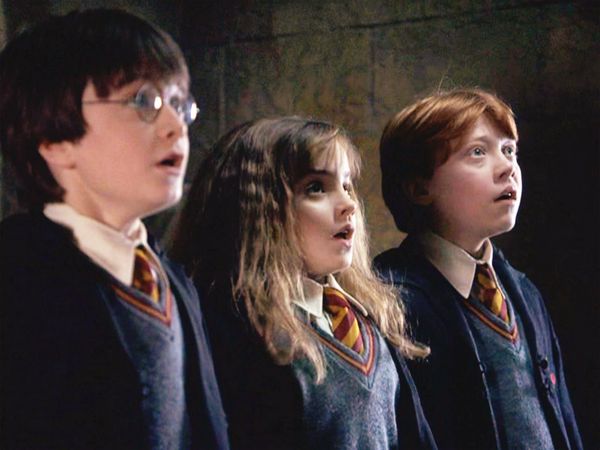
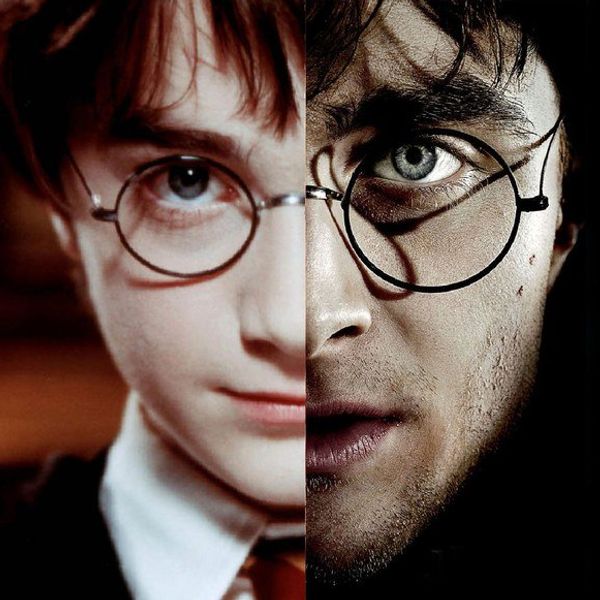
I met Harry Potter, the courageous boy with the lightning scar, who fostered my belief in magic. Sitting on my bedroom floor, I learned of Hermione Granger, the tenacious witch who became a steady voice for the underrepresented, inspiring me to always stay true to my convictions. I grew up both laughing and sympathizing with Ron Weasley’s fear of spiders and above all admiring his loyalty to family and friends. These characters taught me lessons of love, loss and courage that shaped my perception of right and wrong as an adolescent. This Wizarding world, much like my own, appeared black and white. Each character was either good or bad, a Gryffindor or a Slytherin, so that my young mind was able to easily digest the increasingly intricate plots.
When I became immersed in the world of "Harry Potter" as a child, Severus Snape was not among my favorite characters. I imagine that many of you felt the same childlike disgust for Snape’s sour and dark character. I recall feeling nervous by his presence in the books, like a looming shadow that never quite seemed to go away. He was a figure that you wanted to throw something at, but feared it might go straight through, leaving him unscathed and you in deep trouble. The specter of Severus Snape lingered through every adventure, crisis, and bit of mischief that Harry, Hermione and Ron found themselves in.
It was not until the final chapters of the last book in J.K. Rowling’s series that readers uncover the complexity of Snape’s character. Until this point, I had become comfortable thinking that Snape was a villain. He was cruel to students, took points away from Gryffindor and killed Dumbledore, one of the greatest tragedies to impact my youth. But J.K. Rowling had one last lesson to impart upon her young readers. We discover alongside Harry that Snape had long been pulled between his love for Harry’s mother and his affinity for the dark arts, making him perhaps the most dynamic character in the series.
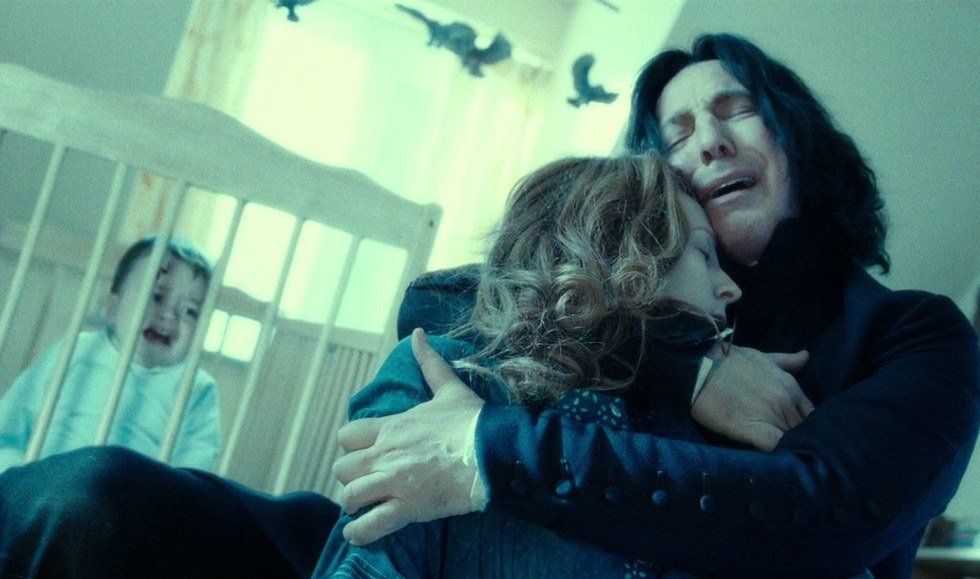
Snape had fallen in love with Lily Potter at a young age, yet lost her friendship as their paths diverged between the Gryffindors and the Slytherins. Snape was teased constantly by Harry’s father in school, but he gave everything he had to save their family from Lord Voldemort when he learned of the planned attack. Both James Potter, Snape’s greatest enemy, and Lily Potter, Snape’s greatest love, died to protect Harry. Snape failed to save Lily but was left with her son, a boy that acted like his father but had his mother’s eyes.
Snape’s love for Lily Potter endured after her death, leaving him to protect her son throughout his years at Hogwarts. Snape demonstrated his bravery and commitment to Dumbledore by acting as a spy, making Voldemort think that he still held his allegiance. But Snape was clever and he was dark, and though he was conflicted by the resemblance Harry held to his father, he never stopped short of quietly protecting Harry from harm. Unbeknownst to readers, Snape’s love for Lily Potter slowly transferred to Harry, so that in the end, Snape died, just as Lily did, to keep Harry safe.
This backstory of Snape’s character came as quite a shock to me, as I am sure it did to many of you. This world that I had filled with bad guys and good guys no longer felt that simple. How much good in the world existed in places that I could not see it? How many people are more complicated than meets the eye? Everyone.
Alan Rickman brought to life this complicated character of Severus Snape. He taught us that light can exist in even the darkest of places. The world is not a storybook filled with good guys and bad guys. Instead, it is a complex place full of mistakes, regrets, love, and tragedy all wound up in each of us. Sirius Black explained to Harry in the fifth book, “We've all got both light and dark inside us. What matters is the part we choose to act on. That's who we really are.” But the true mark of adulthood comes with understanding our own faults in judging others, for we may not see their light from our vantage point.
I am now 21 years old, and I still carry the lessons of "Harry Potter" with me every day. I know that loss is inevitable, friends are priceless and courage comes in many forms. But most of all, I know that each person I meet along my way that I find dark or sour, I will always think of Severus Snape and how you never truly know someone unless you give time for it to be revealed.

















