


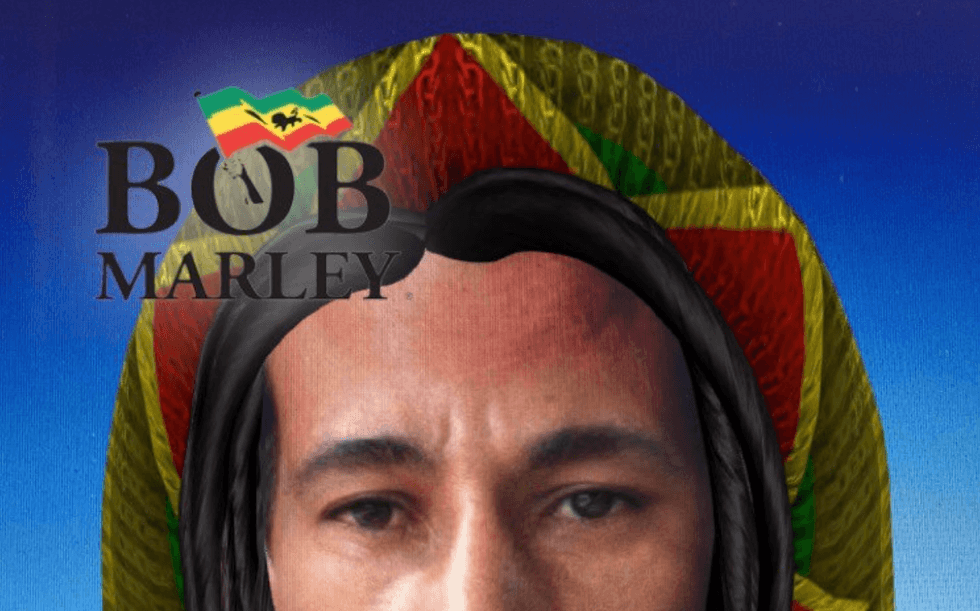
Snapchat has taken the world by storm as the social media company continues to upgrade the "selfie" in unique ways. First they introduced the app as a means of sending quick picture messages back and forth, which was followed by an update that made users able to post those same pictures as a "story," or ongoing update of what you're doing. After a handful of updates, which included news-related posting and entertainment, Snapchat introduced the first update to a social media application that used facial recognition as a means of comedic photography. We saw silly things like vomiting rainbows, for example.
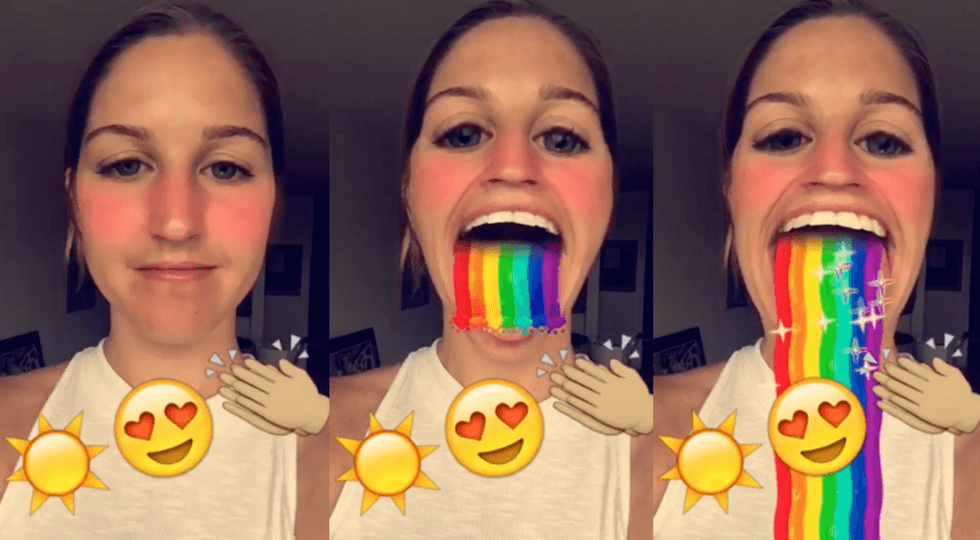
Pure comedy.
While this is all fun and games for most, it seems to be the trend that society finds an underlying discrimination or hatred with every advance we make. Our newly oversensitive population has found that everything relatively humorous can be correlated to some form of injustice or social issue.
April 20th, popularly known as 4/20, has evolved into a counter-cultural holiday dedicated to cannabis and the community that it creates. When considering cannabis as a topic, many correlate the plant to the legendary Bob Marley. FeelNumb.com mentioned that he was even buried with a sizable amount of marijuana -- along with his Les Paul guitar, soccer ball, the Holy Bible and a ring given to him by the Prince of Ethiopia. This musical icon embraced the plant and it's peaceful potential and planned on continuing to do so after death.
Snapchat executives decided to take advantage of the socially popular holiday and recognize Bob Marley. What better way to do that than include Bob Marley in their extremely popular facial recognition filters. . . Right?
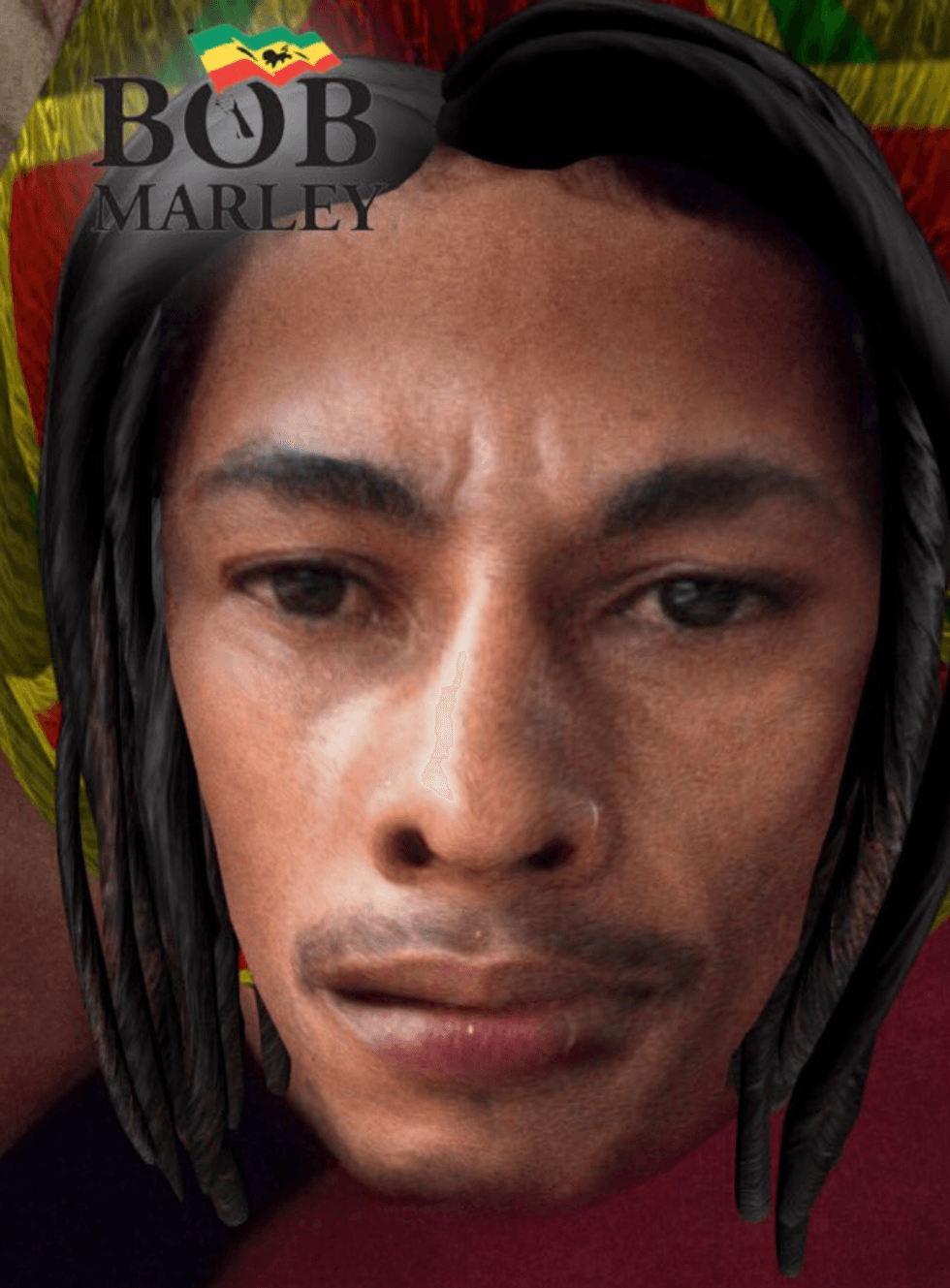
Wrong.
As usual, an attempt at humor and respect became a social activism issue and a sizable portion of the public is not pleased whatsoever. The comparison is made to "Black facing," which is the practice of painting one's face black/brown with the intention of mocking or referencing an African American individual. In this case, a Jamaican.
Twitter users jumped on the opportunity to call out the lens for it's discriminatory qualities and the topic has lingered since.
The comparison between a hate crime and this filter is scarily relevant and leaves little room for argument. It is altering the look of it's user to look as if they are of Jamaican decent.
Does this do Bob Marley justice? Does it mock his ethnicity? How could someone correctly represent him without representing racial undertones? Why would Snapchat not see this as racist? Why would they see this as racist to begin with? The questions continue and it is up to public opinion to decide.
Mashable.com has made statements and released multiple stories on this topic and executives at Snapchat quickly dismissed the notion that the company has made a hateful movement.
"The lens we launched today was created in partnership with the Bob Marley Estate, and gives people a new way to share their appreciation for Bob Marley and his music. Millions of Snapchatters have enjoyed Bob Marley's music, and we respect his life and achievements," said a Snapchat spokesperson in an email to Mashable.
The Telegraph Online conducted a poll on their first article regarding the debate. Although the numbers point to an innocent decision by Snapchat, the comments following heavily argue in favor of its "hateful" meaning.
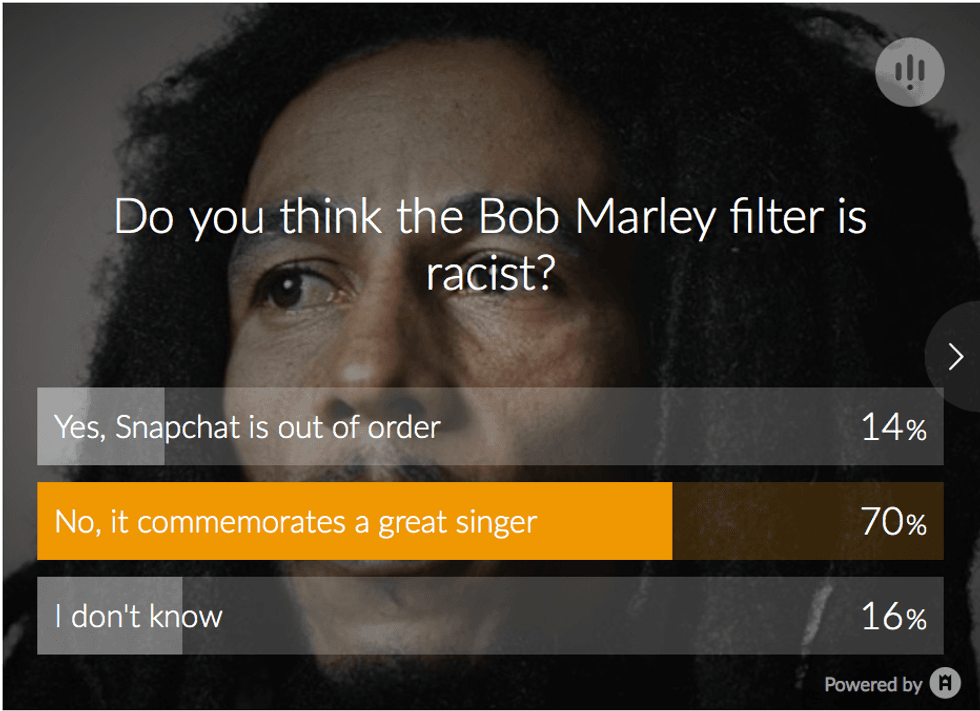
"Right" and "wrong" truly don't exist in this debate. On one hand, Snapchat is attempting to represent a musical legend. Their decision to do so on a socially popular holiday made it as effective as possible. On the other hand, many individuals see this as hate-crime or mocking of their culture. Hopefully in a years time, Snapchat would have figured out how to bring Bob back to the application in a way that appeals to the offended and entertained party.
Best of luck, Snapchat!

















