
Six years ago, I visited the country my parents used to call home: the Philippines. It was there that I was first exposed to a cultural avoidance of tanning.
I remember being at a beach on the island of Bohol: water so clear and blue, it was impossible not to find it enticing; sand so soft and white, it seemed as if the earth itself was inviting you to lay on its pillow as you soaked up the sun. And yet, in spite of all of this beauty, I couldn't help but wonder why, apart from my family and I, barely anyone else was on the actual beach. As I stood on the fluffiest sand that I had ever come across, I turned around to see groups of people beneath the canopies just off the beach. I found myself thinking "Wow, this beach must be so commonplace to them after living here their entire lives." And while my explanation may, in some part, have been true, I didn't yet completely understand their reasoning behind choosing to stay in the shade.
The real reason they avoided the sun spanned over multiple lives, over generations, in fact. In the six years since my last visit, I have learned the history behind the preference for fair skin in the Philippines. A history whose effect lives on to this day to affect current generations and generations ahead.
The Past
Mag Uuma. In Bisaya, a dialect of the Filipino language, this word denotes farmers or rice-field workers. Occasionally used as a derogatory term towards people of darker skin, this word would connote darker skin with societal inferiority.
The idea was this: the darker your complexion, the more likely either you or your ancestors worked out in the fields rather than in a degree-required, office-based job. Ergo, darker skin meant less money and lower levels of education.
The first person I thought of after learning about this word was my grandfather. A college-educated man, a prominent judge in Bohol, and a much respected man in his hometown of Pilar, my grandfather completely defies the connotation of darker skin with inferiority. However, almost tauntingly, despite his prestigious career, the man loves being out on the fields. His mango farm is practically his 'man-cave.' Just this past May, my family and I returned to the Philippines and I remember my grandfather leaving the house at 4:30 a.m. and walking a half-mile uphill to tend to his mango farm and all of the animals within it. He never lets his appearance or people's expectations of him define what he does or does not do with his life.
The Present
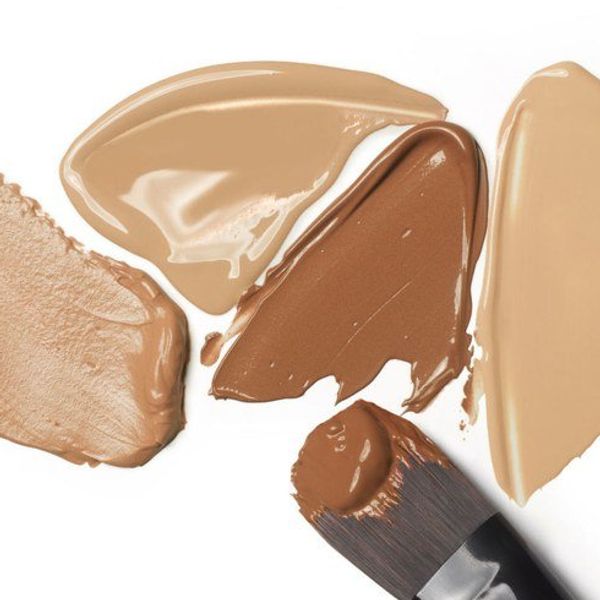
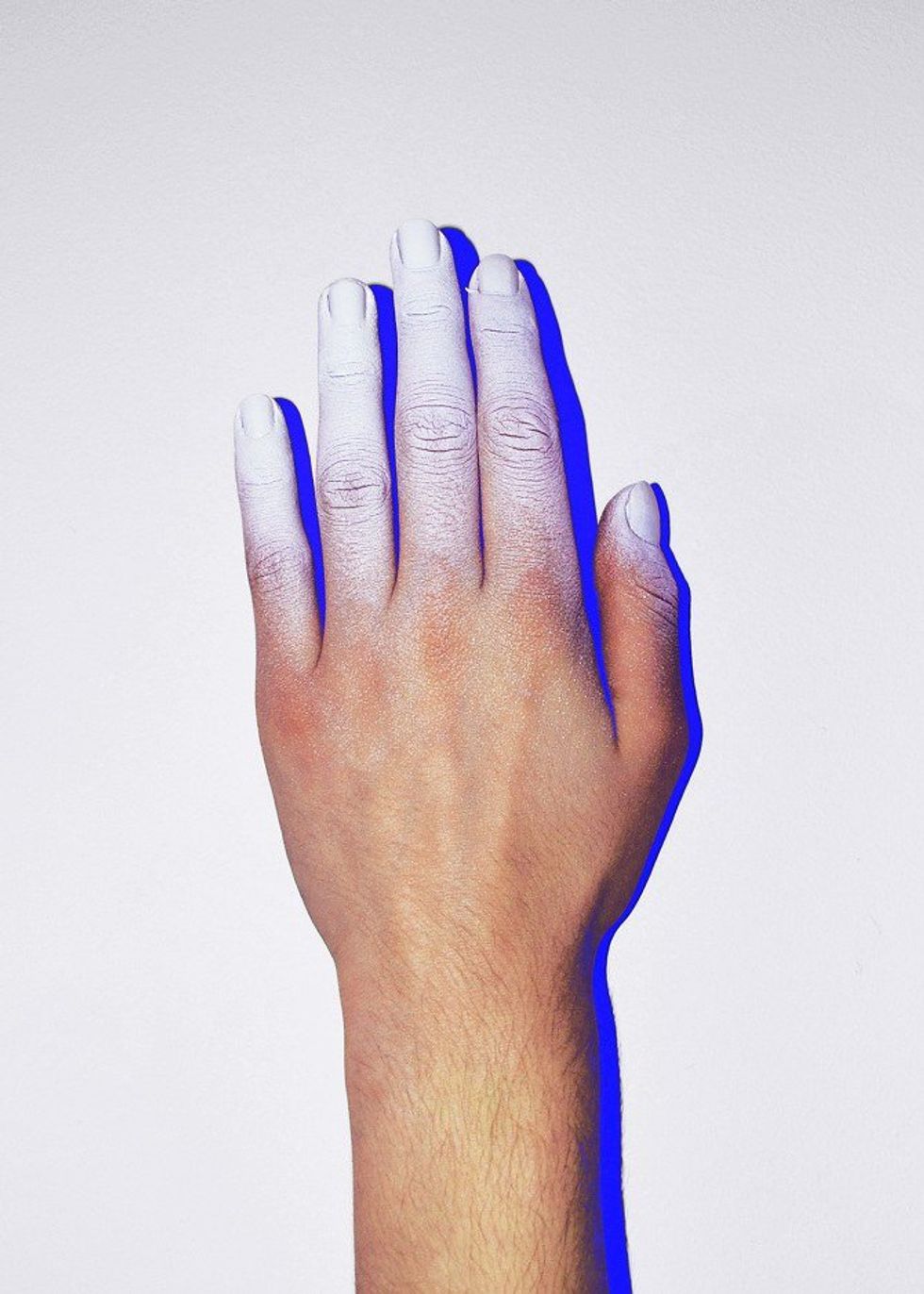
In practically every store, there will always be at least one shelf dedicated to skin-bleaching products. And if you're not busy being tempted to buy them in store, not to worry! There's plenty of advertisement, on billboards and television screens, to remind you of what lies in store, literally.
However, unlike a beauty blogger being paid to endorse a product, the advertisements for skin-bleaching in the Philippines are subtle. It's not who is holding it, it's who has already used it. Actresses, singers, politicians (who actually fulfill the past two categories, but that's another topic), socialites; really, celebrities of any kind will always have a certain "glow" about them. Unlike their brethren-of-melanin, these almost-angelic creatures roam the stages of television screens all over the country to inspire and awe the masses.
With even the most professional news channels broadcasting the intimate, luxurious lives of these fair-toned celebrities, it's easy to see why people all over the country romanticize lighter skin and the idea that it will bring wealth and fame to a person's life.
The Future
Although clichéd, the statement still rings true: the children are the future.
But what happens when children are brought up to believe they aren't good enough simply because of the color of their skin? I was accustomed to talking about this problem in the United States, but up until my trip to the Philippines this past summer, I never realized how strongly it affected children all over the world.
My cousin and her friend, both around 12-years-old, vented to me about how lucky I was that I was pale. About how they considered using skin-bleaching products, but were too young to. About how they followed a variety of Filipino celebrities on social media accounts whom, after looking all of them up, I came to realized that they were all light-skinned! In a country that celebrates summer practically every month of the year, I found it hard to believe that these celebrities stayed pale simply by staying out of the sun all of the time. I have no doubt that skin-bleaching was involved.
I'm not here to condemn the choices people make towards their appearances, rather than to advise them on how they portray these choices. A lover of a good tan, I am in no place to judge. However, we need to stop glamorizing one appearance over the other. We need to teach children that the color of their skins do not make them any better or any worse than any other person.
With the media as apparent in everyday life and as influential as ever, and with children being raised exposed to all of these media outlets, we really need to start thinking about who we put in the spotlight. Frustrated with whitewashing in Hollywood, I never thought I'd come across this same anger in the Philippines.
This kind of whitewashing can take a toll not only socially, but potentially, physically. Who knows how far a hopeful-adolescent in the Philippines, or anywhere in the world for that matter, will go to make him or herself look like a person they've seen on television? Who knows what kinds of affects that amount of physical alteration will do to one's health?