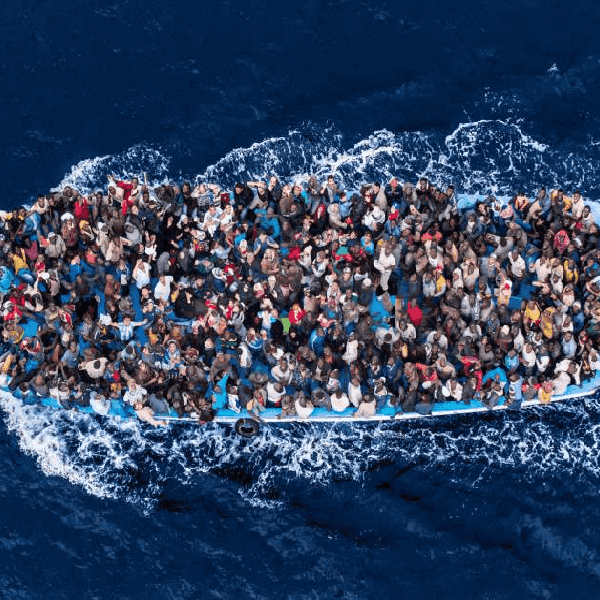

Watching news anchors report the lasts tragedies, the international community has viewed countless videos and images of destroyed cities, slaughtered citizens and mourning families. Bloody faced and dust covered, a five-year-old Syrian boy tries to wipe blood from his cheeks in a video. In a photo, Turkish man carries the body of dead three-year-old boy off the beaches of the Turkish coast. Revealing the blood and gore, journalists and reports expose the public to the conflicts.
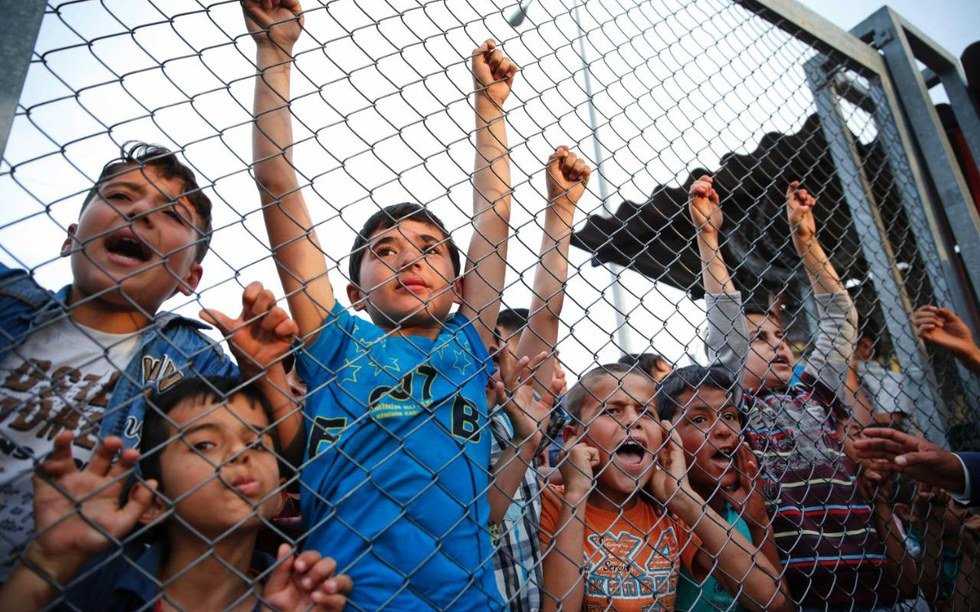
It is easy to understand a conflict in terms of casualties. However, the information and accounts that the audience receives is merely surface level and lacks a comprehensive coverage of the situations of these regions. Confined behind the walls of prisons, military facilities and even welfare centers, according to UNICEF, the suffering of conflict continues, unknown to most. Within the barriers of these buildings, children are locked away, silently enduring the pain. Migrant children, who may journey alone and typically do not have documentation, are especially vulnerable to these detentions.
A global report defines administrative detention to be the unlawful detainment of an individual conducted under the authority of the executive power of a government. Any forced detention of an individual is a human rights issue since the individual is stripped of their liberty and, often, of the freedom of expression. This act is particularly heinous when the individual in question is a child.
Governments forcefully detain migrant children to contain immigrant influxes. Particularly in European countries where most refugees attempt to settle, governments have struggled with the vast numbers of people entering their country. To curb these numbers, officials may detain children at immigration facilities, leaving the children in a state of limbo between countries. Revealing the arbitrary process of detaining immigrant children, a global report lists immigrant children are likely to be held if they have committed a crime, abused alcohol or drugs, associated with an armed group (through capture), are suspected of an offense or have a mental illness. Whether it is under the impression of providing "protection" to the children, law enforcement has the ability to detain children with little reasoning. It is questionable if the children actually receive such protection from the government.
More commonly, according to the report, immigrant children are maintained at country borders if they lack the proper documentation. Once more, the duration of their detention depends on the services of the government. Lacking identification, the children are to be held until they are granted asylum or their identities are confirmed. The longer the process, the longer the officials force the children to remain in confinement.
Remaining in confinement is a traumatizing experience especially for the younger children who do not understand the process of detention. Though innocent, they may believe that they have done something wrong in order for them to be locked away. But for children of any age, being isolated from family and society has noxious effects on their mental health. In addition, according to UNICEF, children face sexual abuse and harassment while being kept in holding facilities.
Administrative detention violates international treaties. Within its ninth article, the International Covenant on Civil and Political Rights states that governments must hold judiciary procedures for all detainees. Without a promptly scheduling trials in court, government officials are unlawfully detaining individuals. The Convention of the Rights of Child reiterate the statement in the International Covenant on Civil and Political Rights and focus its meaning towards children. Both treaties are internationally recognized, but they are not being followed. It is important to uphold the law and the rights of people and eliminate the human rights violations of administrative detention. Migrants should be have access to trials. Above all, migrants should not to subject to detentions by arbitrary decisions of lower level officials.