
Cancer. This word is one we've grown from fearing, preventing, as well as essentially avoiding. We all have loved ones or loved ones of our loved ones who have unsuccessfully completed the battles with this common, yet unwanted disease. Although doctors have come blank in discovering the cause, there are steps and measures you can take to protect yourself, as a college student or even as a young adult.
It's becoming very popular in the media with stars using their social platform to become advocates for the prevention of the disease in their very own lives. For example, one can read about Angelina Jolie's latest surgery, and her choice to voluntarily remove her breasts. This operation drastically reduced her chance of eventually being diagnosed with breast cancer, something she deemed necessary for being able to support her family in the long run. According to Daily Mail, this surgery improved the public understanding of these operations as well as increasing awareness of breast cancer treatment and surgery.
Jolie chose to follow through with her surgery after testing unfavorable, finding a genetic mutation commonly known to increase the chance of being diagnosed with the potentially fatal breast cancer.
According to Everyday Health, as a woman, your lifetime risk for all cancers combined is now one in three. There are simple tests that can be done screening breasts or testing DNA for BRCA gene mutations. These catch cancer at the earliest stages, decreasing in the fatality risk as well as the risk of spreading other diseases. Especially if a certain cancer is common in your family tree, you're safer testing right away to see if you carry certain genes changing your chances.
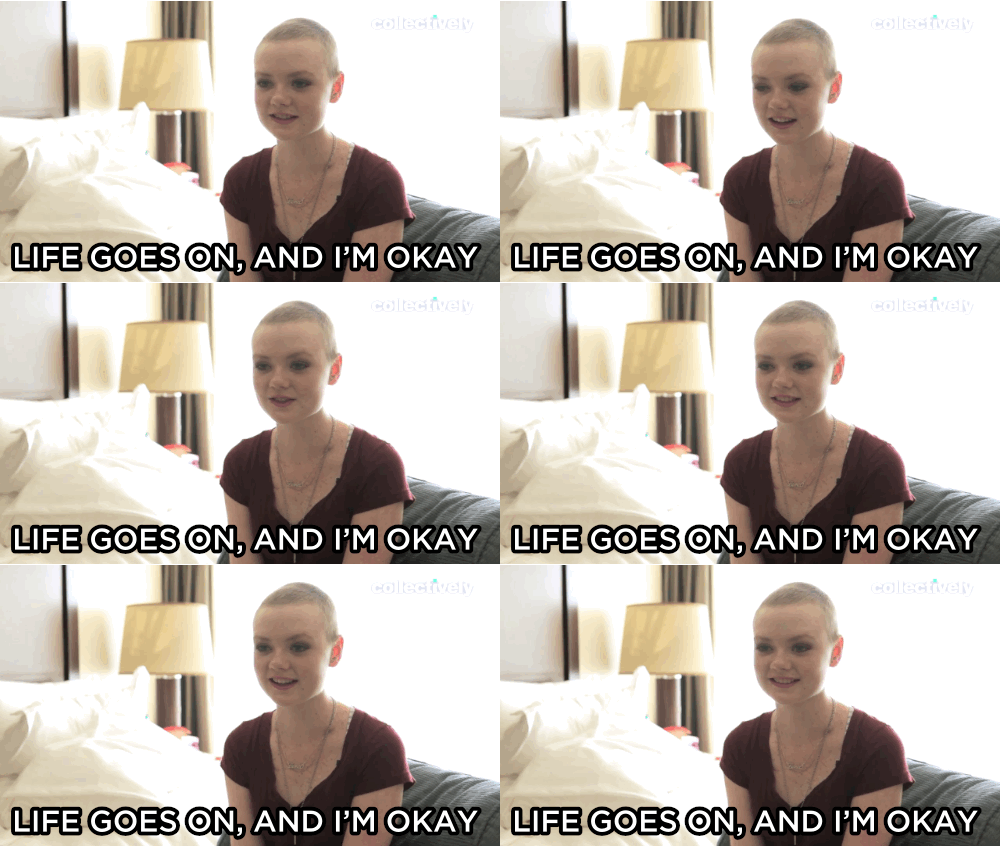
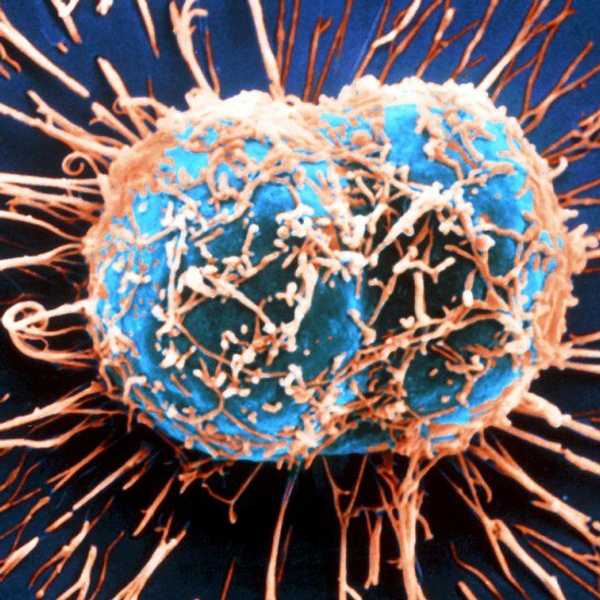
According to Bustle, cancer hits when a gene mutates in your body, causing the cancer cells to reproduce at rapid rates. "While possessing this hereditary mutation isn't a cancer diagnosis in and of itself, it significantly elevates your risk for contracting cancer at some point in your life." For example, it can raise your chances of facing breast cancer from 50 percent to 85 percent higher if you are a carrier for the BRCA1 or the BRCA2 genetic mutation.
Breast cancer isn't the only type of cancer which is better, in terms of successfully treating, if detected early. Ovarian cancer prevention also benefits from early testing. 51 percent of the cases are diagnosed at Stage III, where the survival rate is only 34 percent. That rate inversely increases the earlier it gets detected. There are few noticeable symptoms of this form of cancer, making it very hard to catch. At the end of the day, it's simply better to be proactive.
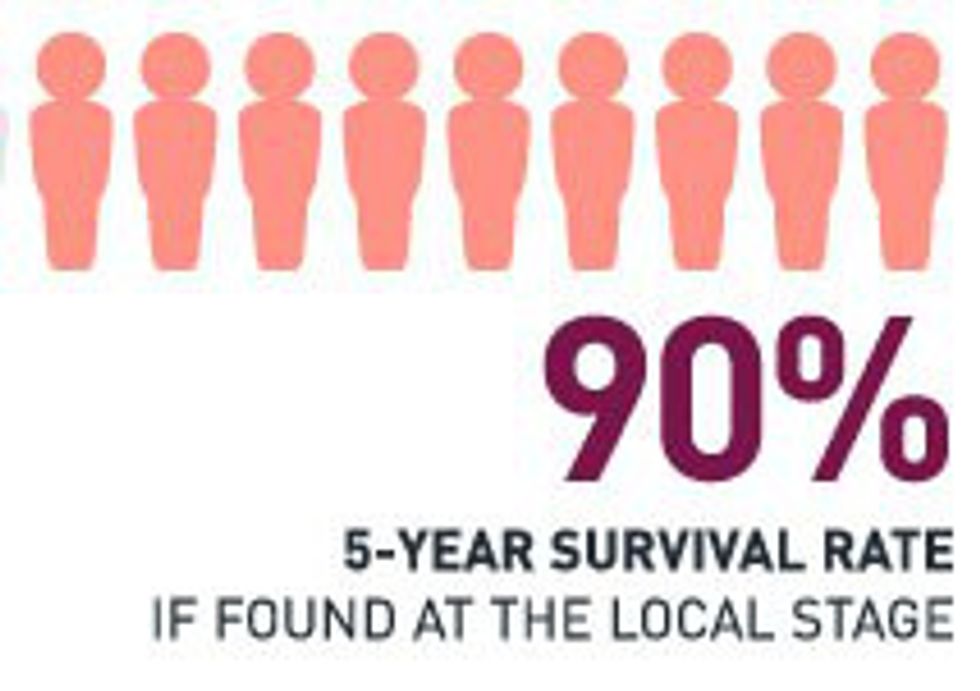
There are other exams you can speak to your doctor about, including screening mammograms and pap smears for cervical cancer, which can discover early signs and symptoms which give you more liberty in your potential options when being diagnosed with the disease.
Some people are somewhat against this technological and medical advancement, including television personality Khloe Kardashian who didn't want to know "her fate," so she says. There were episodes in their family TV show, "Keeping Up With The Kardashians," where all the sisters underwent testing to see if they could be possible carriers. In 2003, after watching her father end his battle with esophageal cancer, she didn’t want to obsess and be worried over the idea if she could be carrying the same cancerous genetics. “If I’m going to get something, I’m going to get something,” she explained. “I’m not going to live my life in fear.”
Whether or not you choose to follow through with a screening, it's an option, all yours. Whether it's for your future, or for the future of your families; it's the knowledge of your own health and body. At the end of the day, these cancers have levels of prevention and treatment, and the levels of awareness directly influence the deaths we can prevent in the future.
As one can understand both sides to this life changing procedure, it's good to bring up these options to your doctor during your next visit to see what you can do to maintain a healthy and long living lifestyle.