
On September 11, 2001, four commercial passenger planes were hijacked by terrorists within just a few hours. Over 3,000 people lost their lives that day. Because of this particular horrendous terrorist attack, many people began asking whether we should arm the pilots on commercial passenger planes. Around two years after the 9/11 attacks, a small program was instituted to train and arm some pilots on commercial passenger aircraft. As the years went by, it became apparent that arming the pilots on commercial passenger planes would help prevent many unnecessary losses.
Contrary to popular belief, arming pilots on passenger planes is nothing new. In fact, many pilots had flown with no incidents since the dawn of aviation. It was not until 1987 that the federal government disarmed the pilots. Because of the pilots being disarmed, many of them predicted that attempts at taking over the cockpit would begin to happen.
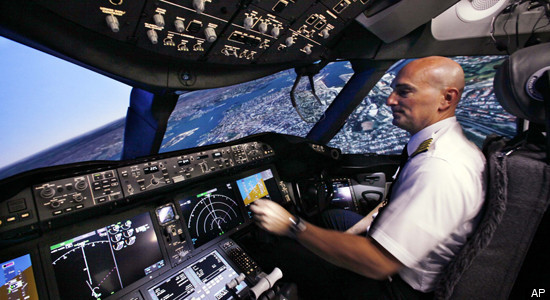
When the new armed pilots program started in 2003, commercial passenger planes received a new reinforced cockpit door that was said to be able to withstand terrorists from breaching through the door. Most pilots decided to stay armed since they were not willing to place the lives of hundreds of passengers in the hands of a reinforced cockpit door. Furthermore, terrorists know how to get through any reinforced door and the pilots knew this.
As for the weapons, they would be stored in lock boxes within the cockpit. For safety measure, pilots would only be able to access it in cases of an emergency. Thus, the pilots would not be able to abuse the weapon themselves.
Usually, most pilots will have military experience, which means that they know and have used a gun before. Within the armed pilot program, there have been many pilots who have stepped up and have gotten trained on how to use a gun. In fact, all armed pilots in the fast-growing program are trained and deputized federal law enforcement officers.

Of course, there is the Federal Air Marshals Service, which provides flights that include a federal law enforcement officer onboard. Federal air marshals will be on the lookout for anything suspicious, arrest anyone doing anything illegal and prevent a terrorist hijacking from happening. This service helps a lot of flights, but it certainly does not cover more than a fraction of flights in the United States. Furthermore, the armed pilots program protects more flights for a lower cost than the Federal Air Marshals Service. During a hijacking, if a federal air marshal stops the situation from escalating and can handle the problem, then the gun in the cockpit would never come to play. But if a hijacking does occur and the air marshal is unable to stop the situation from escalating (or there is no air marshal present), then the hijackers would find armed pilots in the cockpit. This means that the pilots would have a chance to take out the hijacker and possibly save hundreds of lives. If the pilots had been defenseless and weaponless, then, no doubt, many lives on the flight and possibly on the ground would be lost.
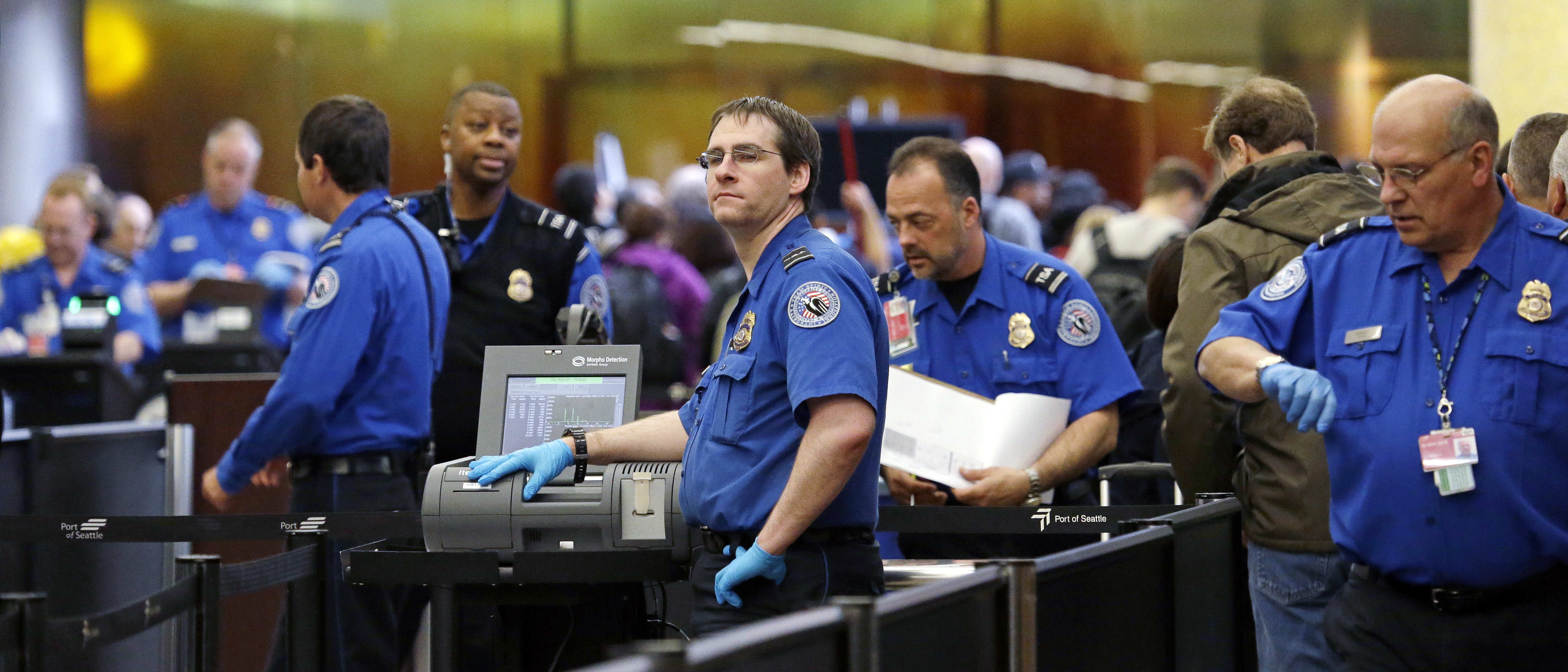
Recently, airports have gotten stricter on their security screening policies. The Transportation Security Administration (TSA) has revamped their screenings by adding an extra layer of protection. Although TSA has claimed to improve their methods and policies, it is still evident that not everything is working as planned. In fact, internal testing has shown that screeners missed sixty to seventy-five percent of prohibited items. The TSA screening model gets based on identifying small items that are potentially dangerous and can bring harm to others. Instead of looking for suspicious behavior with people, airport security is busy confiscating toothpaste.
Nowadays, with the recent news of many flights having explosives and revelations that many flights crashed due to bombs being on board, federal law enforcement officers and airport security should be worried more about the possibilities of explosives being on-board a flight. In fact, many people believe that armed pilots are not necessary because of this. However, if terrorists are now turning to explosives and bombs, then would that not mean that the armed pilots program is succeeding in preventing hijackings? In other words, the armed pilots are discouraging the terrorists from hijacking.
No doubt, arming the pilots on passenger planes will help prevent hundreds of losses and could have avoided a lot of lives from being lost in past aviation terrorist attacks, such as 9/11. Armed pilots get trained like any other federal officer. Most have used a gun before and are not new to this. Although the cockpit doors got reinforced, there is still no definite certainty that they will prevent terrorists from breaking inside. The federal air marshals are helpful but do not cover all the flights. Also, TSA screenings allow for more confiscation of small items, but it still tends to miss many prohibited items. To sum up, arming the pilots of commercial passenger flights would decrease a number of terrorist hijackings, save many countless lives and allow for safer air travel.