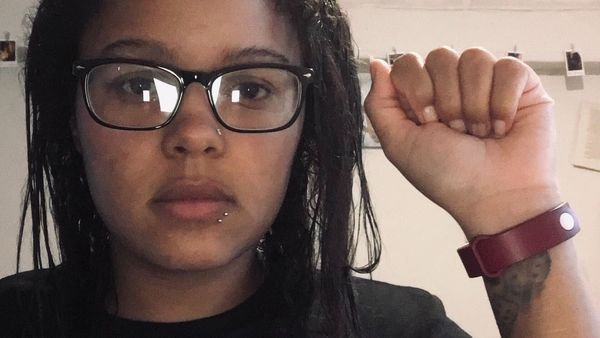
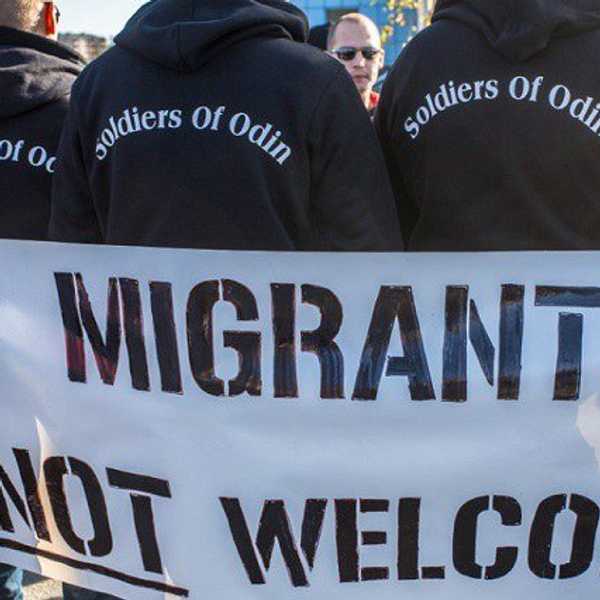
In what has already been a frighteningly violent year, the events of the past few weeks have sent additional shock-waves through the United States. The murders of several black men sparked anti-police rhetoric, and the shooting of five police officers has unsettled the unity of the black lives matter movement. These events briefly distracted us from the pain of June 12, when the Orlando gay nightclub shooting sparked anti-Muslim rhetoric. Furthermore, a standoff between a gay pride parade and BLM representatives highlighted several areas where each movement could do a better job of supporting the other. What this month comes down to is immense intertwined complexity. So many different marginalized communities have been fighting to be heard over the din. The suffering of people who are transgender, gay, black, Muslim, and much more, all stems from deep-rooted bigotry in our culture. Now, not being an actual member of any of these groups, I cannot claim to understand their experiences. But, I hope that the common aims and struggles of various groups will serve to unite them, rather than tear them apart.
Rupi Kaur recently penned her dismay over the constant horror occurring throughout the world, and called for sympathy no matter the victims:
“Human life is human life whether it's in the east or west or north or south. Perhaps it's hard to imagine the suffering of others if it's not happening in our own backyards. If it is not our skies lit with flames. If it is not our sleep shaken awake by bombs instead of alarm clocks. Death is death and pain is pain no matter where in the world it is felt.”
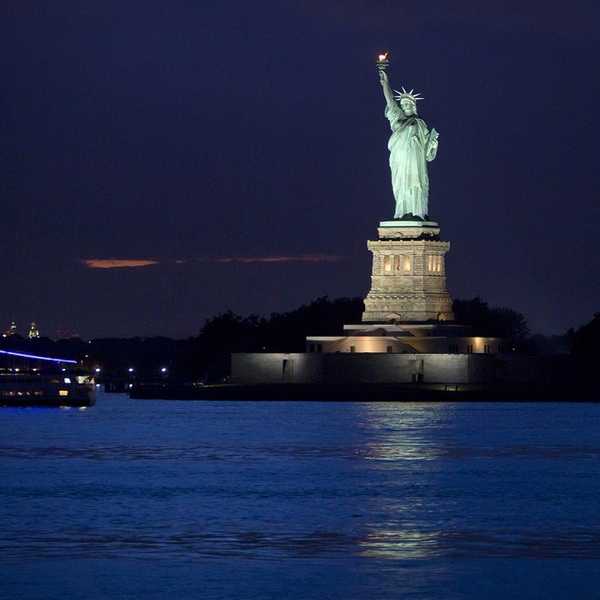
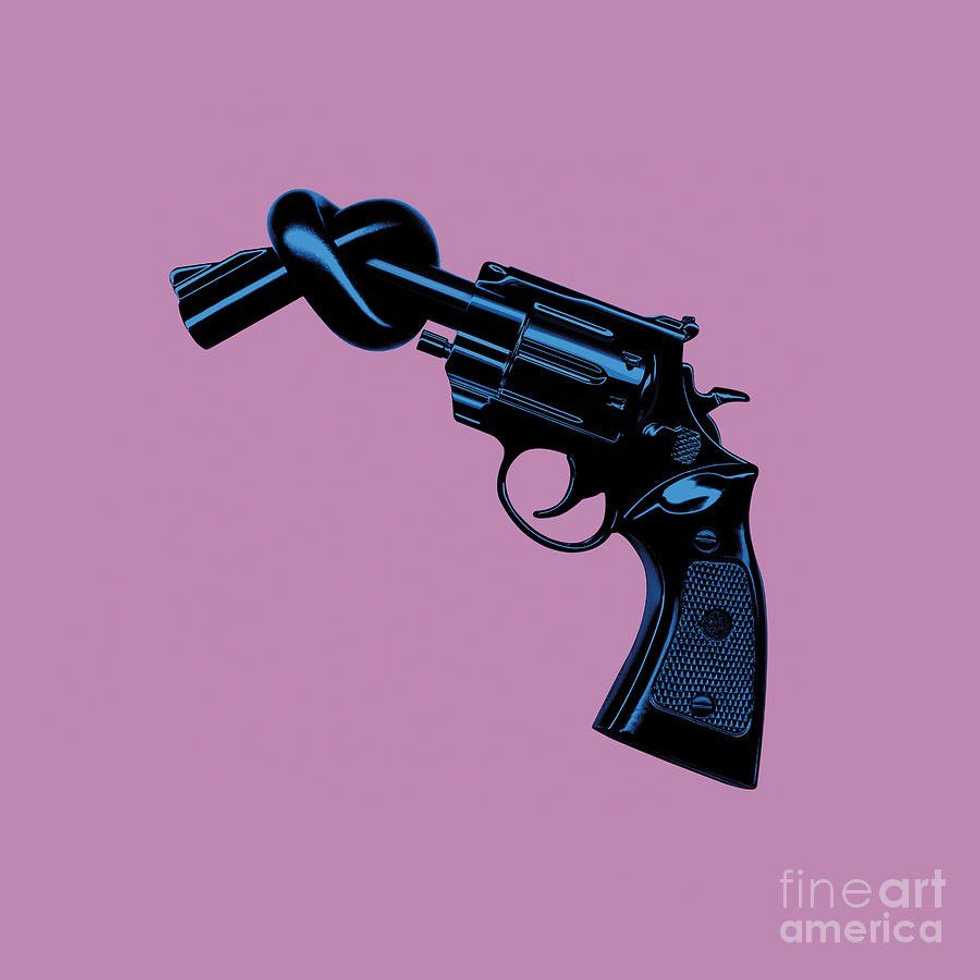
Over the past few weeks, many of my friends on social media have been posting statuses expressing their outrage, and I feel guilty for not doing the same. But I felt the need to thoroughly think through what all of this means to me before I could adequately speak out myself. I have felt confused, angry and disgusted over all the horrible things happening. To add insult to injury, these atrocities took place right around the day that many Americans commemorated independence from Britain. I have a hard time celebrating freedom when so many people are not guaranteed it. As worded by Martin Luther King Jr., among others, "No one is free until we are all free.” Have we really achieved much since becoming free from tyranny? Too many people struggle to be seen as human beings by government, by law enforcement, and by their own neighbors. Driven by fear, self-interest and close-mindedness, perpetrators of this hatred have created an atmosphere where people fear for their lives. Guns may be the weapon, but bigotry pulled the trigger. I am overcome with concern for all of my friends that have to unjustly fear for their lives. At the same time, I feel frozen with indecision about the most helpful ways to support them.
I feel compelled to draw comparisons between current events and the Holocaust, primarily to point out an excellent poem that condemns the silence of bystanders. The author, Martin Niemoller, a Protestant pastor who spoke out against Adolf Hitler and spent seven years in concentration camps, explains the futility of hiding behind the safety of your identity, because one day you may be the one on the chopping block.
“First they came for the Socialists, and I did not speak out—
Because I was not a Socialist.
Then they came for the Trade Unionists, and I did not speak out—
Because I was not a Trade Unionist.
Then they came for the Jews, and I did not speak out—
Because I was not a Jew.
Then they came for me—and there was no one left to speak for me.”
Not only is it unwise to ignore the cruel treatment of others, it is also selfish to take advantage of your privilege instead of using it to help them. We are complicit in the crime if we do nothing to stop it.