


Shark Week has officially begun!

This week has been anticipated by many, many humans across the world, and for good reason. If you've never heard of it, it's a week-long television event where we get the pleasure to learn about all different species of sharks and everything going on in the shark world. Some television programs explore shark history, while others show research teams in pursuit of every species you can think of. This year, Lena Headey, who plays Cersei Lannister on "Game of Thrones," is even narrating an episode about shark hunting. The full schedule can be found here, if you want to know more.
And if you couldn't already tell, I LOVE SHARK WEEK. It's this weird experience you never knew you needed until you sit down to watch one episode and end up in front of the TV screen for 12 hours. However, being the animal person and self-proclaimed conservationist that I am, I implore you to remember a few things about this event.
1. Some sharks may be super cute, but they are wild animals.
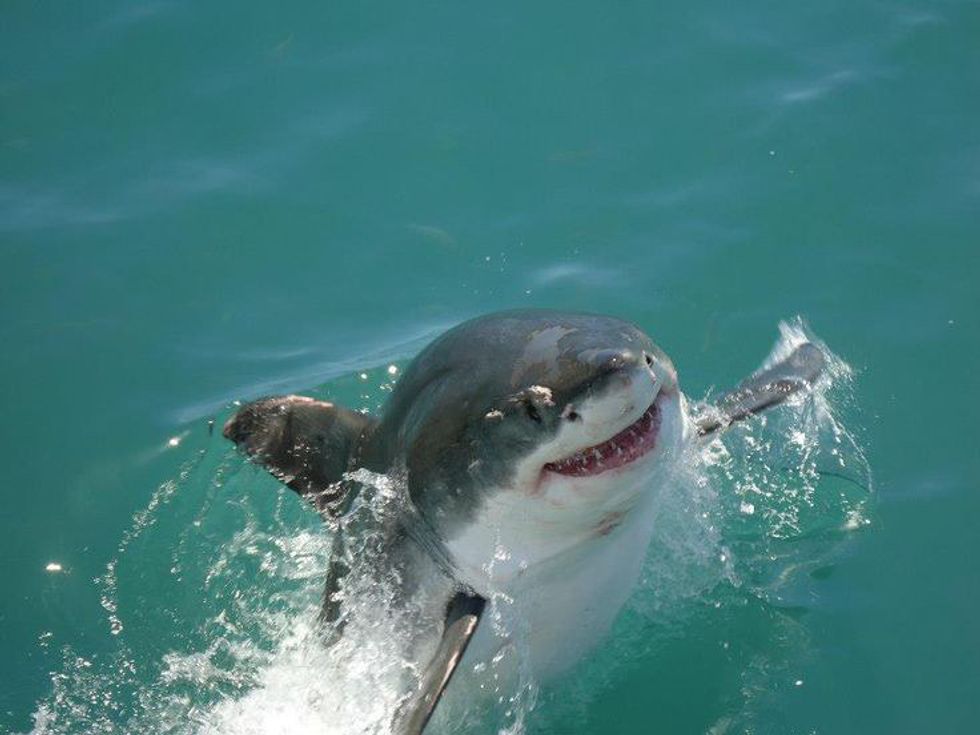
No matter how adorable you think a shark is, or any wild animal for that matter, please do not approach it. Wild animals are deemed wild for a reason, and you will find yourself in a tricky situation if you choose to try to pet, hold, or constrain them... Just leave them be.
2. Remember that when we go in the ocean, we are visiting the homes of sharks, as well as many other animals.
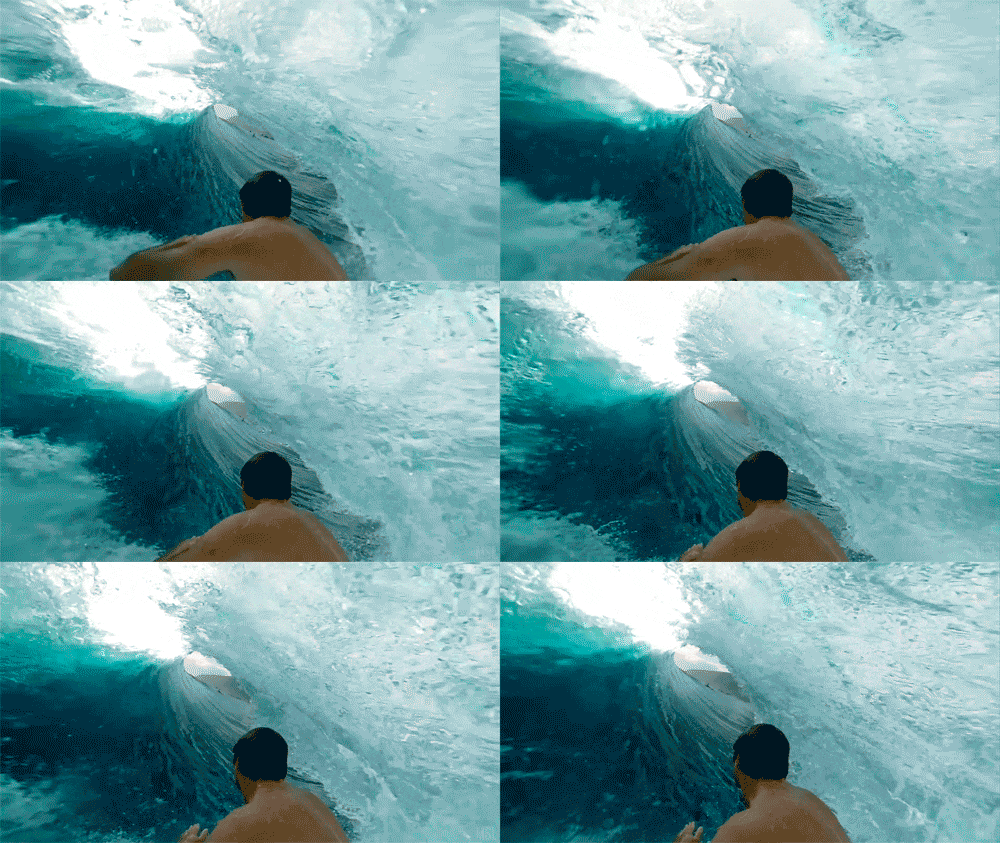
Sharks are not the evil, monstrous animals that "Jaws" makes them out to be. Be warned though, Shark Week uses a lot of negative terminology, including "man-eater." I just want you to remember that every time we choose to swim, surf, ski, paddle, or boat in the ocean, we are visitors, and I won't sugarcoat it: sometimes shark attacks happen. We willingly visit their habitat, and as I said before, sharks are wild animals; they sometimes "attack" humans. But it's not because we look tasty to them, it's a case of mistaken identity. Basically, they mistake us for the seals they eat, causing them to "attack" us. However, don't be worried, because on average, sharks kill about ten humans per year, which is an an extremely low, statistically unlikely number.
3. Be smart when you do choose to spend time with sharks.
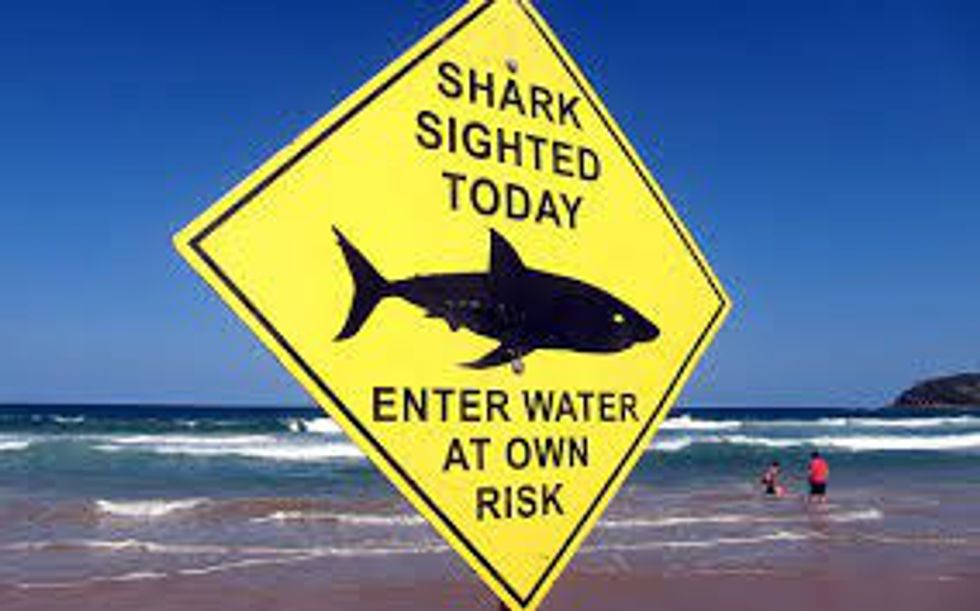
As I stated, your chance of being attacked by a shark is extremely low, but be smart when you have the chance to possibly be around sharks. Whether you are scuba diving, surfing, swimming, cage-diving, or any other activity, please be smart and respectful. Make intelligent decisions. Do not go swimming in shark infested waters without the proper precautions. Also, remember that you are not a trained professional like most of the scientists and people portrayed on Shark Week, so do not go boating and attempt any of their experiments or adventures.
4. If you want to participate in adventures like those seen on Shark Week, hire trained professionals that act in ethical ways.
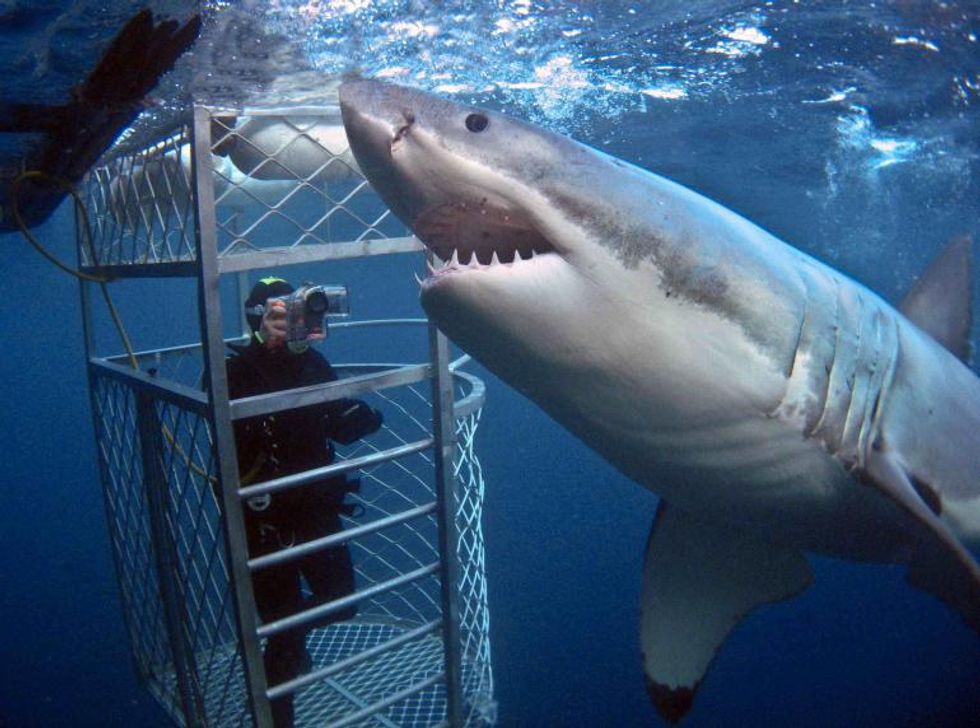
Many of the events shown on Shark Week are for the benefits of science, but many people get the idea they want to go cage diving or other things that shark people love to do. To be honest, I get those ideas as well, but do NOT just follow them without guidance. For instance, do not participate in cage dives that heavily bait the waters prior to your dive, as they come with many ethical dilemmas. In order to act ethically, do your research before you plan to go.
5. Support shark conservation actions.
If you watch Shark Week, I'm going to assume that you love sharks, which is all the more reason to support their conservation. Hundreds of organizations across the world are working to save sharks from overfishing, and many of them work with Shark Week specifically. If you are going to spend hours watching and become informed about sharks and their behavior, please donate towards conservation organizations in order to help them.

















