
Personally, I consider artificial intelligence to be the latest scientific field in which we are asking, “Can we?” instead of “Should we?” Even Stephen Hawking has stated, “The development of full artificial intelligence could spell the end of the human race.” Now there is obviously so much more to this issue than my opinion and that of arguably the smartest man in the world, but there’s no way to cover it in a thousand words or less. And, this article isn’t even about artificial intelligence. It’s about one of artificial intelligence’s newest implementations: self-driving cars.
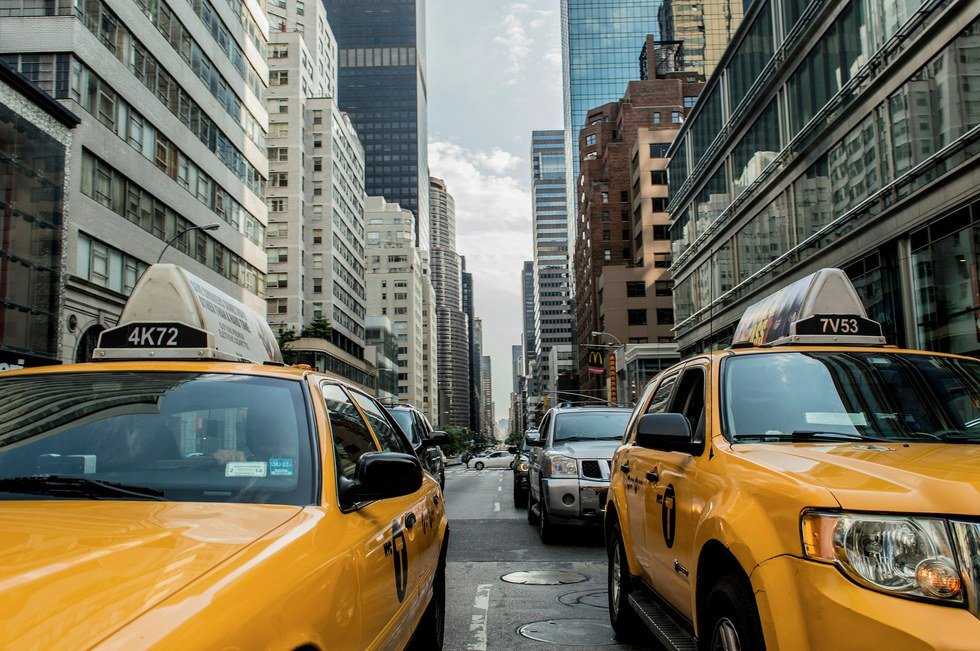
Google’s Self-Driving Car Project is probably the most popular example, but they aren’t the only ones rolling out autonomous automobiles (double pun!). BMW’s i3 has a “Remote Valet Parking Assistant” feature, which means the electric car can both park itself and pick you up. Mercedes-Benz has also revealed their own self-driving concept car, the F 015 Luxury in Motion (yes, that’s the actual name). Even Tesla Motors’ CEO Elon Musk, who likened artificial intelligence to “summoning a demon,” recently announced that Tesla’s models will be self-driving in a couple of years.
This all sounds exciting, doesn’t it? Your grandparents can go to the market without endangering everyone on the road. You won’t have to worry about parallel parking or going over the speed limit. You’ll be able to text and talk on the phone in your car without being a complete asshat, since you won’t be driving. And best of all, self-driving cars could potentially reduce automobile accidents by 90%, and therefore save both lives and money (it’s still a business, after all). So what’s the problem?
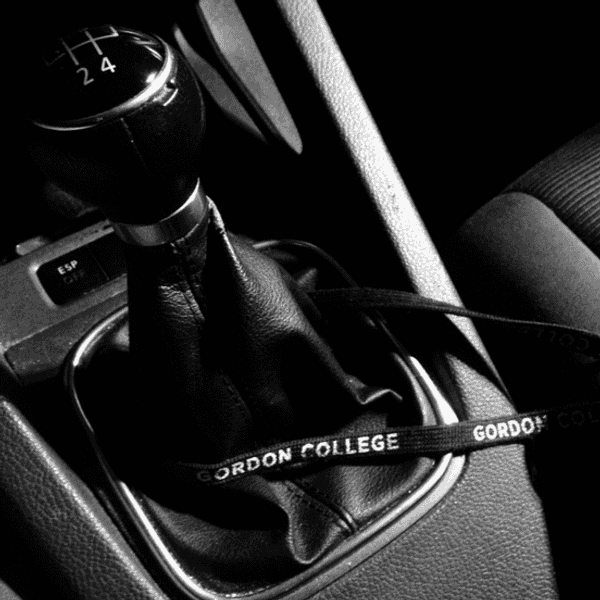
Before we swan dive into that question, I have a confession to make, dear reader. I’m a gearhead. For me, cars are much more than just something to get you from point A to point B. Cars are mobile works of art, mechanical masterpieces, and often reflections of whoever’s driving them. The only time that the cliché “It’s the journey, not the destination” isn’t complete crap is when gearheads get to go on a road trip or make a simple commute in a car that they love. Sometimes we’ll even make up excuses to drive. For us, driving on snowy roads is much more fun if you know how to use your handbrake and can control the oversteer or understeer of your car (Disclaimer: Do *not* practice handbrake turns on snowy roads. You’ll likely get killed by some asshat who’s too busy texting to notice they’re about to T-bone you. Go to an empty, unplowed parking lot instead.). Suffice to say, the concept of taking the driver out of the car is a horrifying aspect for gearheads. But we’re not the only one who self-driving cars might negatively affect.
There’s a joke about a kid visiting his grandfather at a hospital. While he’s visiting with his grandfather, the kid periodically checks his phone for news updates, sports scores, social media notifications, whatever. The grandfather scoffs at this, and says, “Your generation relies too much on technology!” Looking up from his phone screen, the kid retorts “No *your* generation relies too much on technology!” and unplugs the grandfather’s life support. While you’re either feeling guilty for laughing or wondering if I’m a sociopath, let me say that I think the grandfather has a point. In recent years, technology has advanced at an ever-quickening pace. Smartphones, as well as both music and video streaming, would’ve been inconceivable a couple of decades ago, along with countless other recent technological advancements. For many tech companies, the driving force behind new products has been the customers’ desire for more and more convenience. It’s so incredibly exhausting to switch between a cell phone and computer, so why not combine the two? And who wants to go to a store, and buy a CD or DVD when you can listen to or watch whatever you want from home on your laptop? Don’t get me wrong, I think both smartphones and music/video streaming are fantastic innovations, and I certainly enjoy them. But they seem to be instilling a certain state of mind in people. And when we grow tired of our toys, we want newer ones that are faster, cooler, and just more convenient. As these innovations get more and more convenient, we become more and more dependent on them. And is that a path we really want go down? Perhaps apocalypse by technology isn’t science fiction anymore.