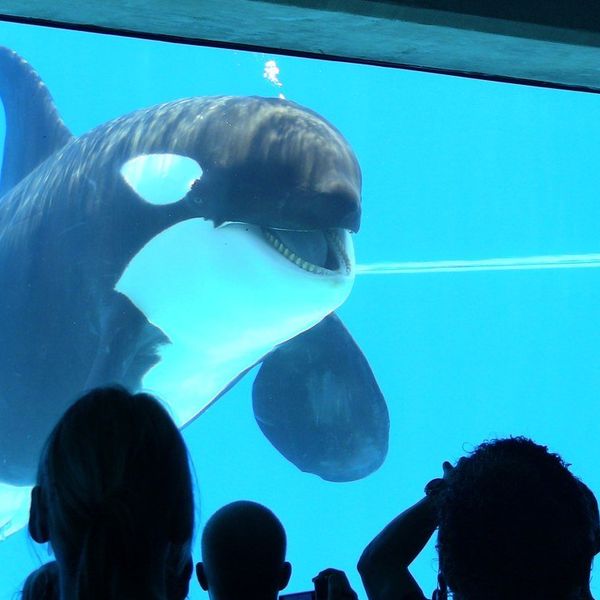
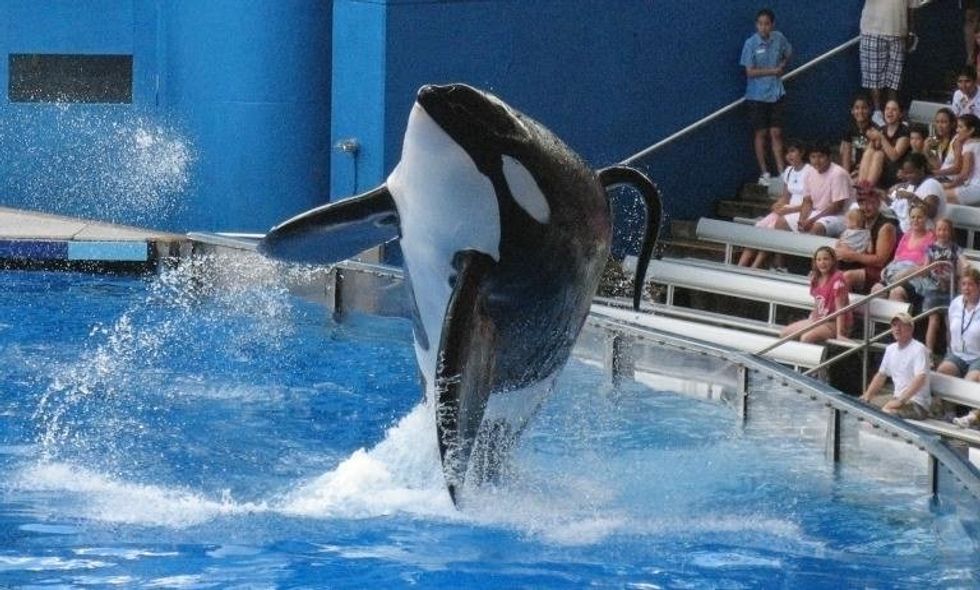
When I was little, I absolutely loved going to Sea World and learning about all of the animals and getting to see them up close. I loved feeding the dolphins and watching the infamous orca shows, staring in awe at all of the tricks that Shamu was trained to perform. However, over time, I made the connections in my own mind that having these whales in captivity is in no way humane or natural, no matter what SeaWorld tries to say in their defense.
These thoughts were confirmed for me in 2013 when the film "Blackfish" was released. After watching, so many things made so much sense. For those of you who have not seen it, it's definitely a must-watch. I finally knew why the top fins on the orca's backs were slumped over — it's a sign of depression. The orcas that SeaWorld "rescues" are all taken from different pods. Each whale pod communicates in a different "language," so putting them in the same tank (that is way smaller than the thousands of miles they are used to traveling each day) confuses them and causes huge amounts of depression and distress. And don't even get me started on the methods they use to separate the young orcas from their mothers and other pod members in order to capture them.
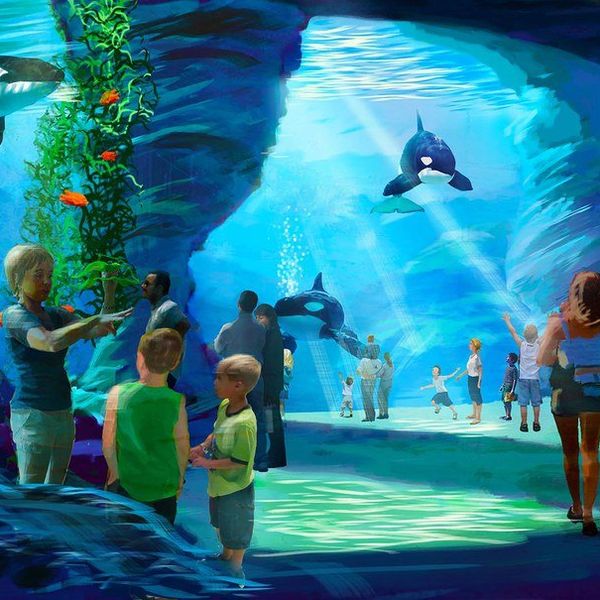
Since the release of "Blackfish," a lot more awareness has come to light for the general public. SeaWorld's profits have significantly decreased, and CEO Joel Manby has decided to end SeaWorld SanDiego's live orca shows sometime in 2016. However, it's not for the good of the orcas. In 2017, he plans to turn right around and create a different, less theatrical, kind of show, still involving the whales. The goal of the new show will be to "combat the growing public sentiment against whales in captivity."
"It will be focused on ... the natural behavior of whales," Manby said.
I'm sorry, but how exactly does one even attempt to educate the public about the "natural behavior of whales" when those whales are confined to a tank that may look big to us, but is actually significantly restricting their natural traveling patterns and separates them from their pods? There is also nothing natural about captivity causing these whales to live shorter lives than is expected in the wild. Orcas have the lifespan of the average human, if not longer. In captivity, they only live to be about 30-40 years old. There is no way to honestly educate people about the "natural behavior" of an animal that falls into a state of depression and starts to decrease in overall health the moment it is captured and separated from its instinctual, wild habits.
Just last month the California Coastal Commission blocked SeaWorld's proposed San Diego location expansion, called Blue World, with concerns that this project will only increase orca captivity. Eventually, the project was approved under the stipulation that SeaWorld San Diego would end its breeding program.
According to Manby, the new show will be a "much cheaper way of convincing the public that SeaWorld is pro-conservation."
Regardless of cost, how can anyone claim to be pro-conservation and continue to hold these animals captive in unnatural environments? These orcas are obviously not able to be returned to the wild after living in captivity for so long. As the CEO of such a large company that claims to be pro-education and conservation, how about Manby steps up and forms a program that actually reinforces what he claims to be in favor of? A program centered around actually caring for these animals and getting them back into as natural of a habitat possible at this point is something that a lot more people would be able to support. Changing the image of the show isn't going to convince anyone any differently from the truth that's already been exposed.