
Growing up in Florida, the land of amusement parks always made for, well, amusing news headlines. Busch Garden’s SheiKra was stuck at its tallest drop for several hours, there was a stampede of people on Christmas Day at Disney World, fistfight breaks out in the middle of Harry Potter World at Universal Studios—the whole nine yards.
However, when SeaWorld started making headlines for the treatment of its orcas, their iconic attraction, the news was anything but entertaining.
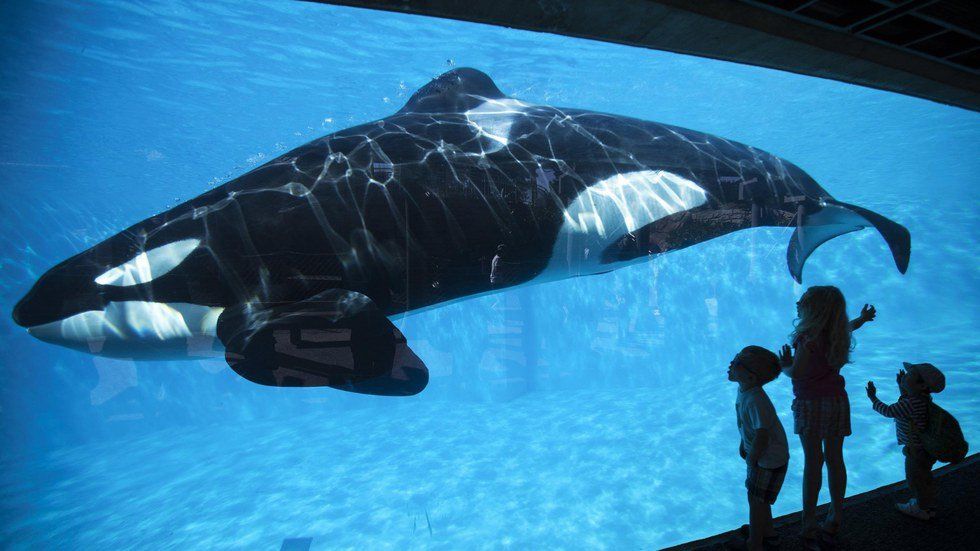
When the first SeaWorld park opened in 1964, orca whales weren’t viewed as they are today. Referred to as “killer whales,” the creatures were feared. Guests came to the park to marvel up close at animals that were disrespected to the point of being hunted. However, as the years went on, the tides began to change. Things like traveling circuses fell out of fashion, laws and regulations went into place to protect animal rights and animals in captivity became less popular for some. Orcas became revered as near-royalty of the sea, and when things went awry at SeaWorld Orlando, suspicions were raised.
The incident occurred in 2010 when an orca killed a SeaWorld trainer during a live show in the Florida park. The whale, called Tilikum, also killed two other people at different times, raising concern. While orcas are not known for being docile creatures, it is rare to see any animals raised in captivity attack their caretakers.
Three years later, the documentary "Blackfish" was released to stream online. The 2013 film followed the story of Tilikum from his capture to present day, and the story finalized the shift in public opinion according to SeaWorld.
The park saw dramatic drops in attendance; everyone had an opinion on what was right or wrong concerning the behavior and care of SeaWorld’s whales and other animals and it was an ongoing debate for years. Even Harry Styles of One Direction was quoted onstage saying, “You like dolphins? Don’t go to SeaWorld!”
Despite SeaWorld playing nearly all of its cards, saying they were being as transparent as possible about the care of their animals, at the end of the day, the public was not convinced.
Until now.
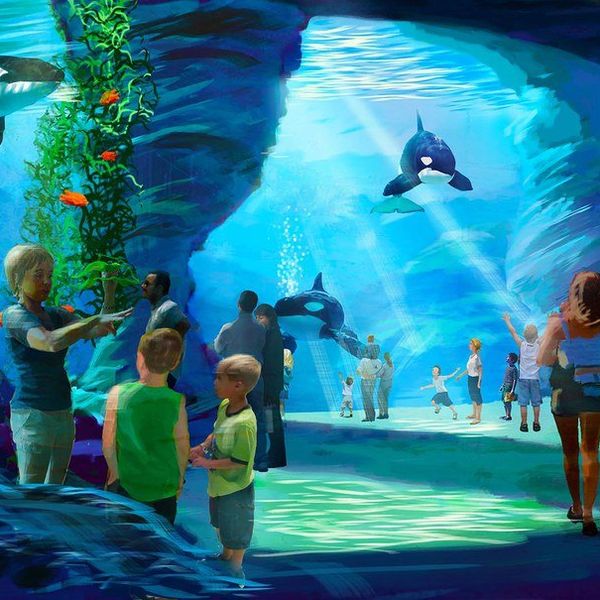
On March 17, SeaWorld officially announced big changes to their parks. They resolved to phase out both orca shows and breeding in all three of their parks and instead dedicated their brand to bettering marine life beyond captivity. This means that SeaWorld’s biggest attraction, their theatrical orca shows featuring whales bread in captivity, are no longer. SeaWorld will also no longer have whales beyond the generation that they have now. SeaWorld has stated that keeping the whales they currently have under their care is in their best interest; animals bred and raised in captivity do not survive in the wild, but once they pass, the orcas will be no more.
Seeing this enormous corporation finally listen to its audience is not only refreshing but should be an example for all of us. These decisions are bringing big changes to the parks that could be potentially risky, but it was for the best. It is a lesson we must keep in mind; as industrialization expands and the natural world around us ceases to exist, we will be faced with difficult choices concerning what is costly or inexpensive, what is fast or slow, what is easy or difficult. We must remember that no matter what, all of these choices comes down to effect one entity—those who inhabit Earth.