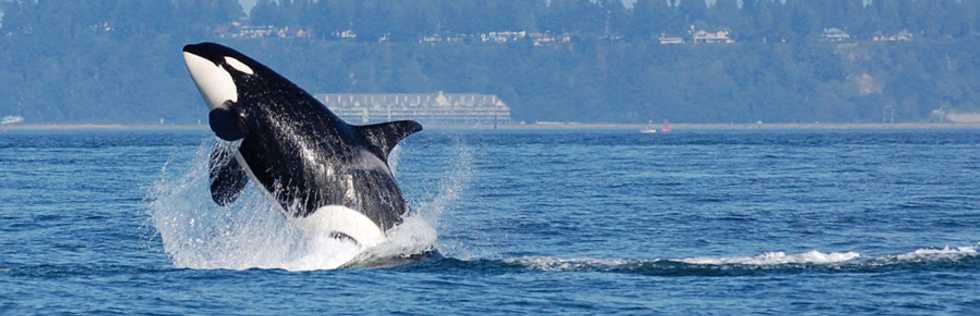
When going to SeaWorld in Orlando, San Antonio, or San Diego, you never really consider what is actually going on behind the scenes. According to USWhales, there are 59 Orca whales held in captivity, 24 of those being wild-captured and 35 born into captivity. SeaWorld itself holds around 24 of orcas among its three parks in the United States.
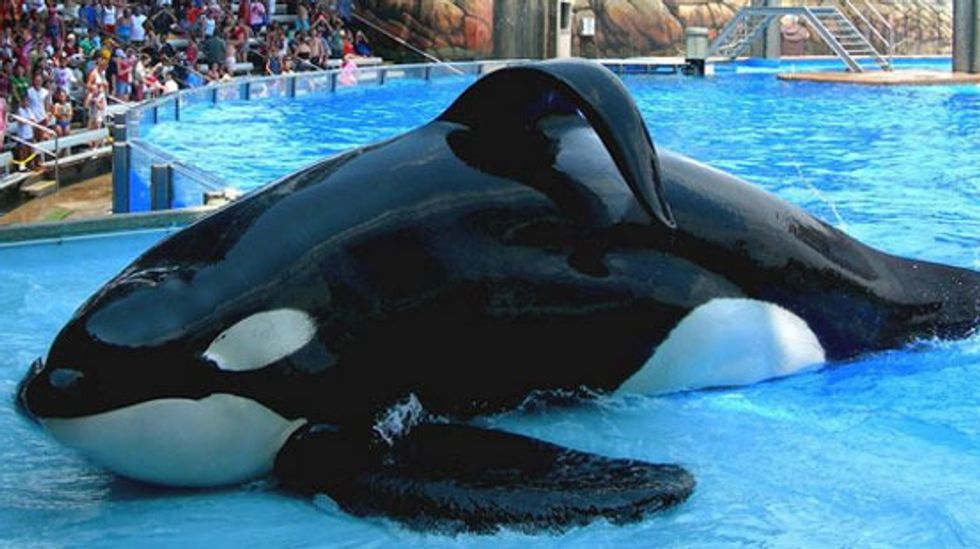
For what we call a "thrilling and exciting" experience for only $87, an orca views it as another day filled with forced tricks, shows and swimming in a tank, which to them is a size of a bathtub. When many people go to SeaWorld, they really just assume that "Oh, the whales enjoy doing this! This is what they live for!" not really knowing the living conditions that these whales are subjected to. These whales need to slowly start being integrated and released back into the large ocean where they belong. By being confined to these small tanks and horrible living conditions, these orcas have been suffering from numerous health problems: Physical and emotional.
The actual capturing of the Orcas is incredibly inhumane. In 1970, according to USWhales, during the 1970 Penn Cove Orca Capture, pods of whales were rounded up in small capture nets, then individually netted. Six whales captured, at least three of those whales actually drowned during the process. The workers of the Penn Cover Capture were in charge of disposing the bodies of the drowned whales, which involved cutting the whales open, flushing out their bodies and sinking them to the bottom with anchors.
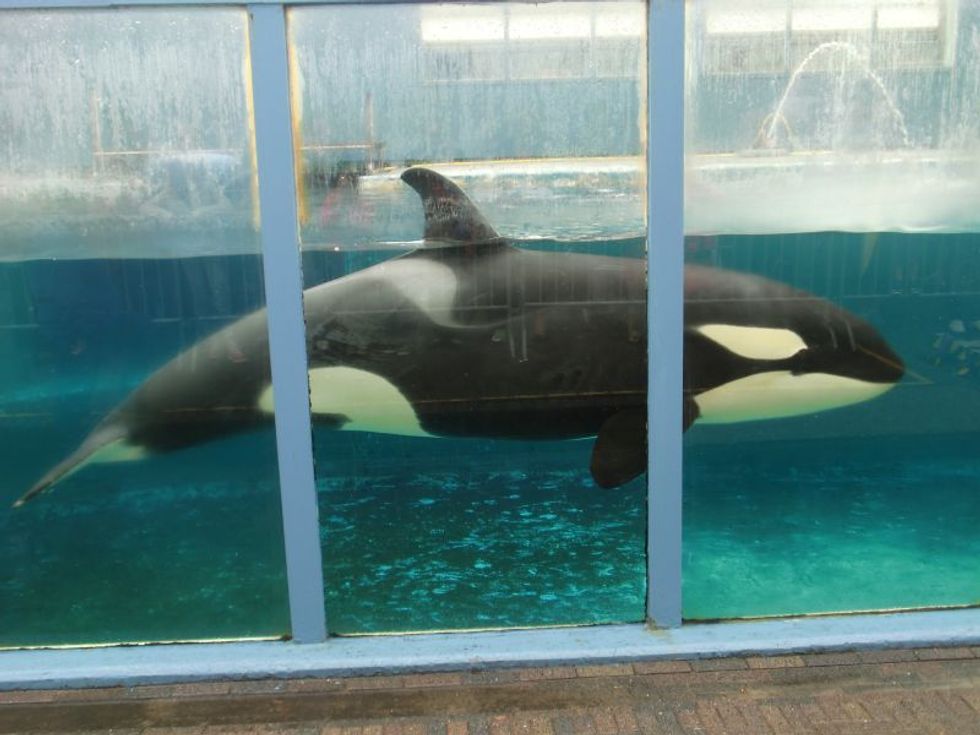
There has been a 100 percent dorsal fin collapse in all male Orcas and many females. This is due to shallow waters in which the whale's dorsal fin is exposed too much to the surface where they do much of there "swimming." The gravity acts upon these dorsal fins, leaving them frail and collapsed. According to US.Whales, this only occurs less than 1 percent in wild orca whales.
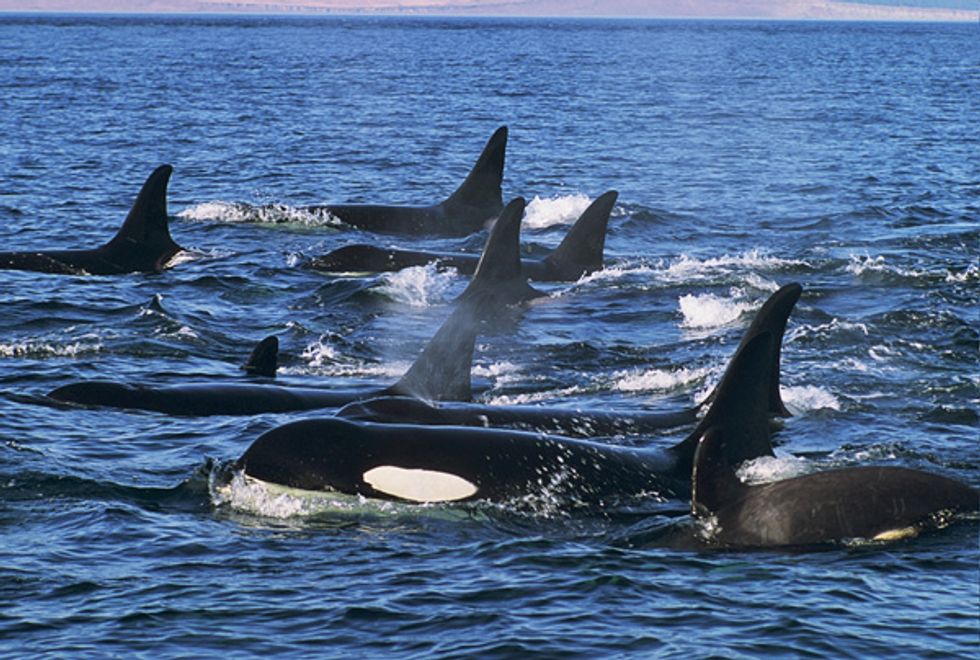
When not in captivity, orca whales tend to travel in packs, known as pods. In this pod, the whales connect and create a family in which reproduction occurs. When held in the tanks at SeaWorld, orcas are usually forced to live in the same tank as one to a few whales from a different family. They do not build that same connection and are forced to reproduce with them. When a mother whale gives birth to a calf in captivity, there have been instances where she wanted to abandon her young and other times they are taken away from their mothers at as young as 2-years-old. This causes immense stress, depression and anger among the mother whales.
The documentary "Blackfish" really focuses in on the harsh nature of keeping orcas in captivity. The emotional film explains the story of Tilikum, one of the most well known whales at the SeaWorld location in Florida. According to SeaWorldOfHurt, He is the large whale held in captivity weighing in at 12,500 pounds, and over 22 feet in length. At the age of 2-years-old, he was captured from his family. After being held at a small zoo in Iceland, he awaited his fate, which in a year would be SeaLand in British Colombia, Canada.
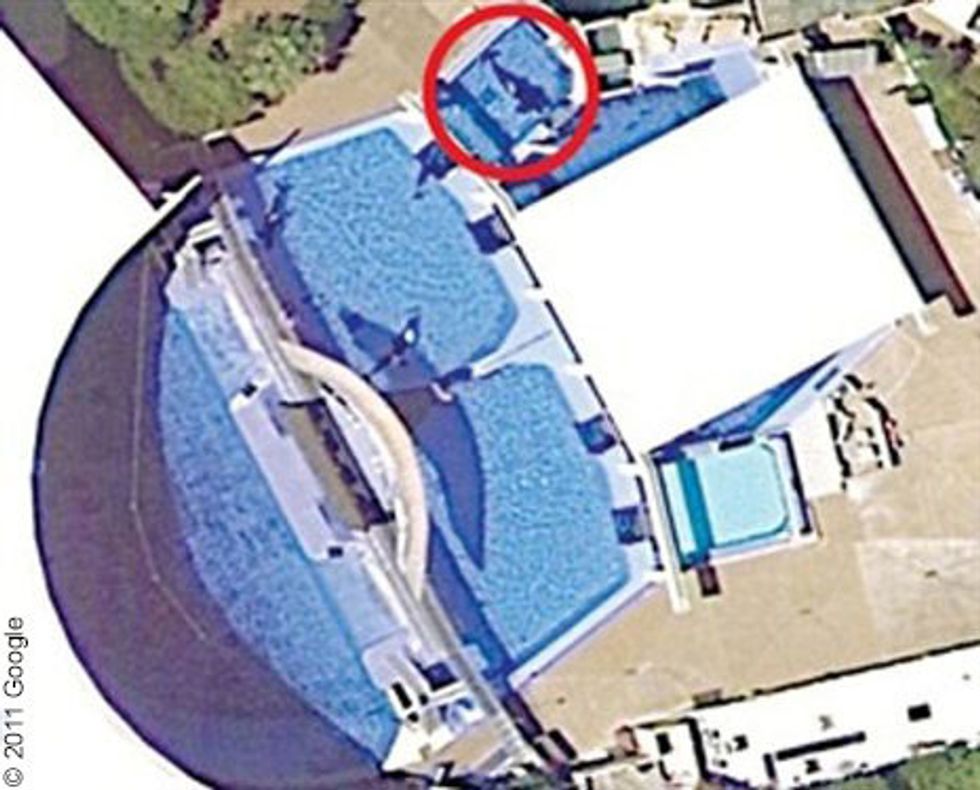
Tilikum had a lot of frustration, stress and lack of space in his 100 foot by 50 foot pool. In SeaWorldOfHurt, Tilikum took the life of Sealand trainer Keltie Bryne in 1991. After she fell in the tank, she was tossed around by Tilikum and two other Orcas, pulled to the bottom, and drowned. Tilikum was named "dangerous" and put up for sale. He was then bought by SeaWorld for an extreme interest in his breeding ability. After being transferred to SeaWorld, his aggression caused the death of trainers Daniel P. Bukes in 1999, and Dawn Brancheau in 2010. These deaths got Tilikum placed in a "solitary confinement" enclosure which was a small pool in which he could not swim around, communicate with other whales, or other humans. A year later, Tilikum was released back into the main enclosure to perform with humans which caused some controversy with SeaWorld, and violating its safety laws.
According to CNN, SeaWorld's $100 million plan has been approved to expand the enclosures for the orca whales, but can not breed any of the whales that are held in captivity. Sure, expanding the tanks for the whales is definitely a positive, but it is still not going to ever compare to the 100-mile ocean that they are supposed to be swimming freely in.
What has been known as a family show with fun for all ages really has some dark memories and a horrible life for orca whales. As you get older, you realize more and more about things that you did not believe were big issues. This is a huge issue. Orca whales deserve to roam the miles of ocean freely, not swim in small circles in a 100 by 50 foot tank.
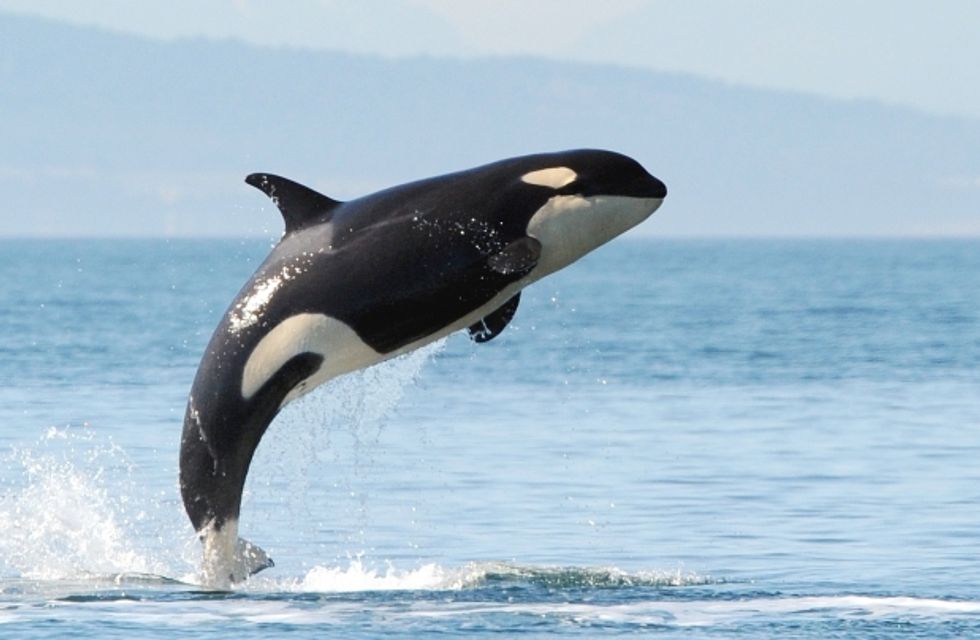
So next time you go to SeaWorld, really ask yourself, is it worth it? Would you rather see an Orca whale in a tank, or in the wild? What whale looks more happy and free?
This one: