I was playing the game Catan (also referred to as Settlers) with a group of friends this past week. The point of the game, for those of you who have not had the pleasure of playing it, is to build settlements, roads, cities, and armies. You do this by amassing resources and trading with other players. In this particular game we had one player who was in a position of strength and very close to winning. This resulted in our group creating an embargo, and we refused to trade with him. Temporarily, this halted his growth, but we soon realized that not trading with him was also halting our own expansion. The embargo was quickly broken down as individual players sought to trade with him in an effort to catch up. He won the game.
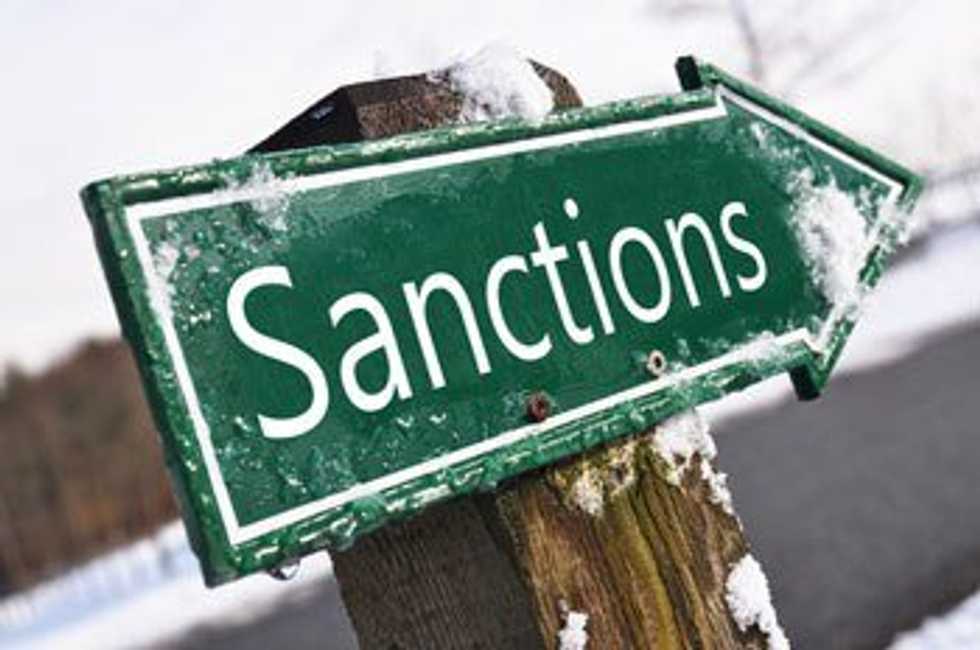
This game is a smaller, less complicated picture of what happens on the world stage whenever embargos and sanctions are used against a country. While the intentions of all involved nations are often born out of a need to halt the aggressions of the target country, the resolve can be easily broken down. We live in a world where boundaries between countries are less important than in the past, and trans-national corporations and agencies make isolating countries a difficult and sacrifice inducing process.
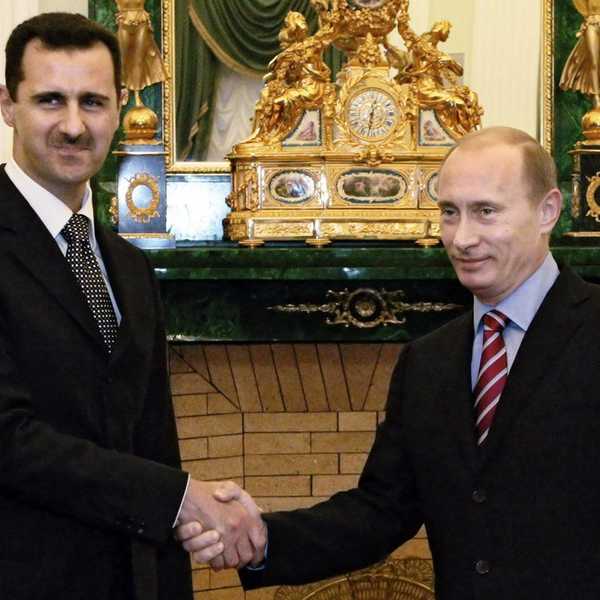
This can be particularly seen with Europe and the United States’ reaction to Russia’s annexation of Crimea. Several European nations and the US came together in an effort incentivize Russia to pull back by sanctioning it. However, several nations are now calling for the sanctions to be reduced, or completely removed.
Initially, the sanctions were to be removed only if Russia was willing to negotiate and “ease up” in Ukraine. Russia has not made any significant strides to do this, but some European nations are already ready to throw in the towel and allow Russia more leeway. President François Hollande of France wanted the sanctions to be reduced this past July citing them as being too heavy. Germany’s Chancellor Angela Merkel has advocated against increasing sanctions. Russia’s banks, political elite, and energy sector were hit hard by the sanctions. But, this is exactly what the sanctions are supposed to do. The goal is to push Russia until Russia has to cooperate.
Why then, are nations desiring to pull back when it appears to be working? President Hollande has said “[President Putin] doesn't want to annex eastern Ukraine - he told me that.” Perhaps France’s government does have considerable faith in Russia’s desire to please the global community, but this is unlikely the case for most of the nations involved in the sanctioning. Countries like Slovakia, Italy, and Hungary have called for reduced sanctions because they really on Russia’s gas as their main source of this commodity. Energy security is only one of the dilemmas caused by sanctioning Russia. Russia implemented an embargo on Western food item imports has hurt many European businesses.
Considered by some to be the largest economic power hold in Europe, many politicians in Germany has been calling for a review of the sanctions. Germany had $105 billion dollars in trade with Russia, thanks to the sanctions, this value is rapidly declining, and is an infection in the German economy. Much of Europe is having the same symptoms, including previously mentioned France, who has suffered an estimated loss of $21 billion dollars from trade with Russia.
This situation creates an enormous dilemma for governments. They have to weigh the importance of economic health against protecting sovereignty and combatting aggression. Sanctions are one of few tools for determent that aren’t violent in nature, which means they are an obvious option during times like these. However, after an extended period of time sacrifices become apparent and for many become a cry for the end. I doubt that there is a “right” answer, but as nations continue to search from the best outcome, they will have much to consider in the high stakes world that is diplomacy and foreign policy.