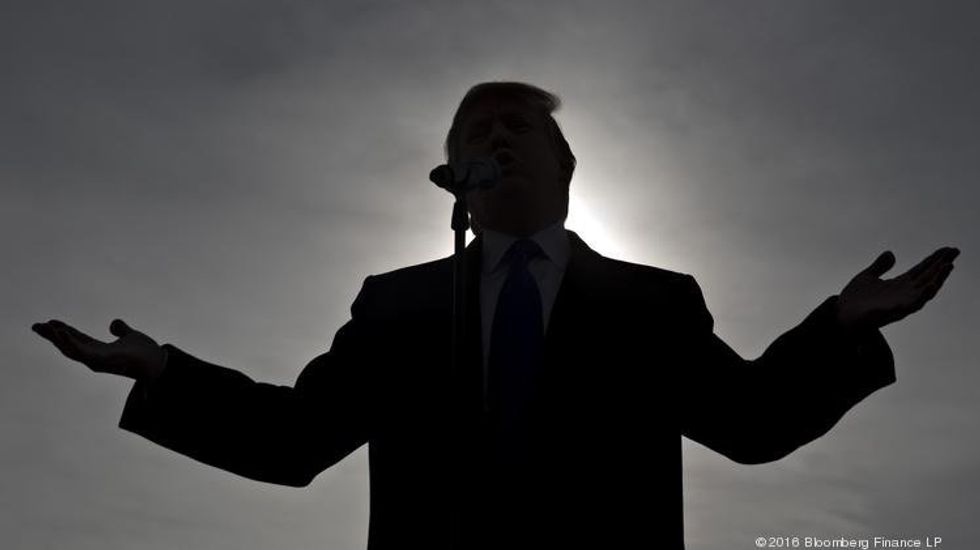
Rhetoric, although often cynically stigmatized, is a characteristic feature of politics. It always has been. The very essence of the political limelight revolves around this sense of persuasion: the speeches, the smiles, the waves, the kissing of babies. The content of political persuasion is intrinsically more complex and emotionally more charged than just your average advertising. However, for it serves to convince and persuade not a product, but an idea, a lifestyle, a higher truth. It is difficult to analyze, for political persuasion oftentimes is presented to us in fragmented forms, news reports, interviews, articles. Be that as it may, any politician will stand by the fact that they are only attempting to educate the public as to the facts surrounding a case. Rhetoric just comes with the territory.
People's feelings towards rhetoric are very interesting to observe. They often times will label their own messages as persuasion while the other side's are deemed as propaganda. We tend to think of our arguments as more educational in value while the other side—especially foreign governments we don’t like—as trying to indoctrinate us with propaganda. So we see propaganda or indoctrination in a negative, or largely pejorative sense. This isn't new.
There are different types of rhetoric in regards to both political parties: conservative rhetoric and liberal rhetoric. Conservative rhetoric is the rhetoric of the establishment, justifying the way things are, and defending history and tradition. It stresses satisfaction and contentment, appreciation and enjoyment of the existing good. Liberal rhetoric is the rhetoric of hopes, dreams, change, progress, and improvement. It stresses problems with existing order and criticizes corruption. Both appeal to America's core beliefs, even if not mutually shared by all its citizens.
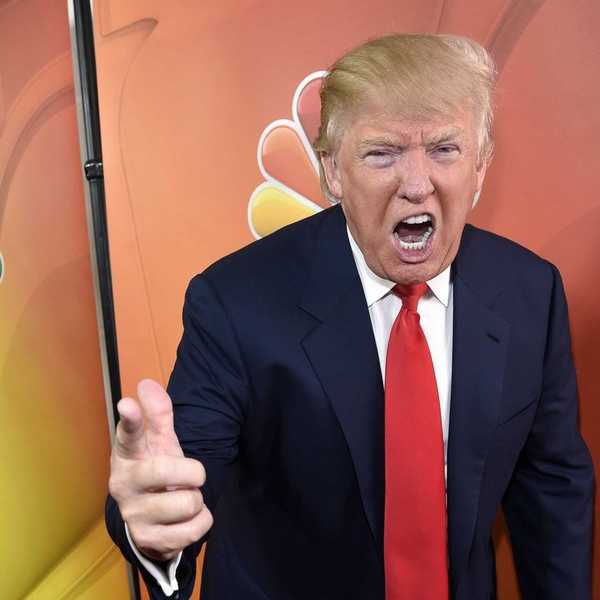
This campaign season, we are all beginning to writhe over the foreboding feeling that something just isn't right. In past campaigns and elections, we have witnessed displays of cynicism and platforms for miserliness but have simply regarded them as typical, common, expected rhetoric. So why is it that we're becoming so bogged down with a particular candidate's propensity for persuasion? Because it falls under neither conservative nor liberal rhetoric at all. Donald Trump speaks with the rhetoric of ignorance.
Just look at the way he presents himself. He doesn't even use full sentences anymore. His fragmented, exasperated phrases ignite fear and anger in listeners, whether they support or oppose his brutish claims. At times ecstatic, he leaps and bounds from subject to subject, never dwelling on an issue long enough to explain or justify. His energy comes in surges, never boring the audience nor allowing them time to double back. Fear. Uncertainty. Stupidity. Ignorance.
Plato wrote a great deal about his apprehensions of rhetoric. When done well, the art of persuasion can lead an audience or reader to a higher truth, to enlightenment. When done wrong, anyone affected could be seriously led astray. The philosopher discussed his fears regarding a speaker who speaks of issues he does not understand, to an audience that understands even less. Thus comes the idea of the blind leading the blind, or shall we say the ignorant and incompetent leading the blind.
Our country is scared of Trump, his claims, his triumphs in primaries, his success in instilling fear and anger and uncertainty in his audiences and in his voters. Our country is scared of his rhetoric. Every day, social media is clogged with its outrage over his success. This is outlandish, this is absurd! There's no way. And yet...
Florida, Nevada, Massachusetts, Vermont, New Hampshire, Michigan, Virginia, Illinois, Arkansas, Missouri, Louisiana, Tennessee, Kentucky, North Carolina, South Carolina, Mississippi, Alabama, Georgia.
I would joke about preparing my passport for Canada in regards to my disbelief over his success, but I think the hour for humor is officially up.