
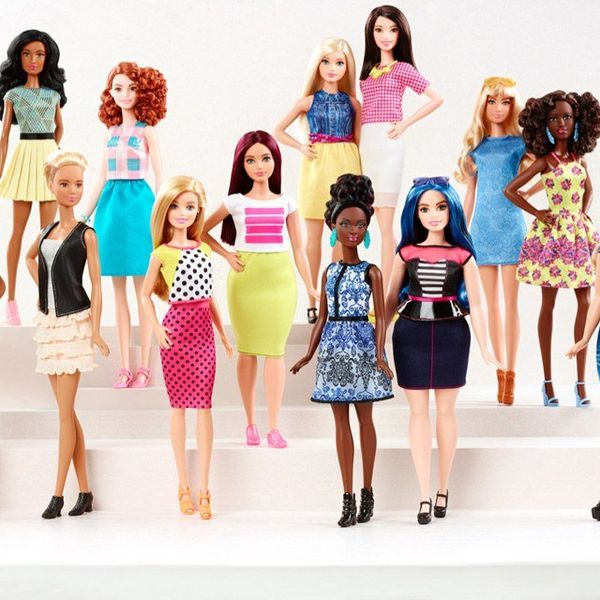
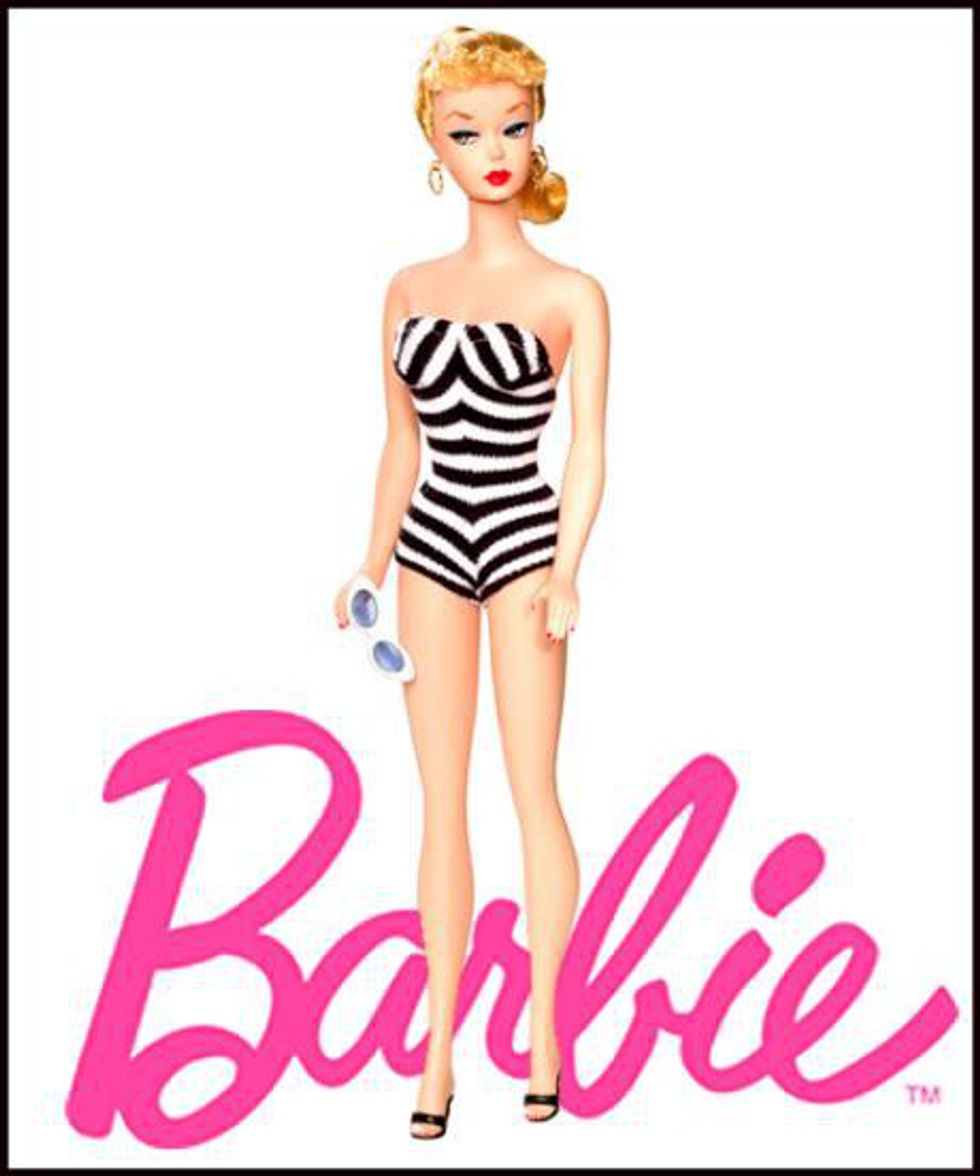
Since March 5, 1959, Barbie's have always had the same iconic stick thin body, straight blonde hair, and white, blemish free skin. She quickly became the woman that could do it all and was a "role model" for many young girls. In 1968, the first African American Barbie, Christie was introduced to toy store shelves
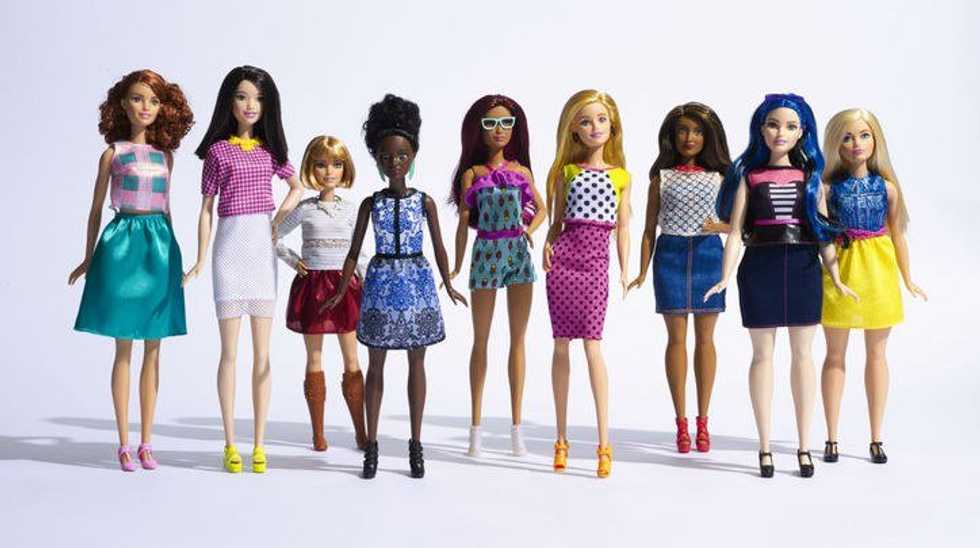
Once again, Barbie has revamped her look in the most drastic way yet by releasing four different body types, original, curvy, tall, and petite in all different skin tones and hair textures. In the new ad campaign, Barbie expresses the importance of being different. It shows a group of young girls, all different, playing with their Barbie dolls, again all different looking. Each of the girls then went around and told one another who they thought their Barbie dolls looked like, with one girl showing two different dolls saying that one looked like her, and the other resembled her mother. The message Mattel and Barbie are trying to convey comes down to the idea that "it doesn't matter what shape you come in, anything is possible." The other interesting fact about these new Barbie's is that they are all actually Barbie. In the past when Mattel would release a doll through the Barbie company they would be under the category of friends, each doll having a different name. This new generation of dolls are all considered to be Barbie dolls and NOT the friends of Barbie, again showing young girls that they don't need to look exactly like the original Barbie to succeed in any and all professions.
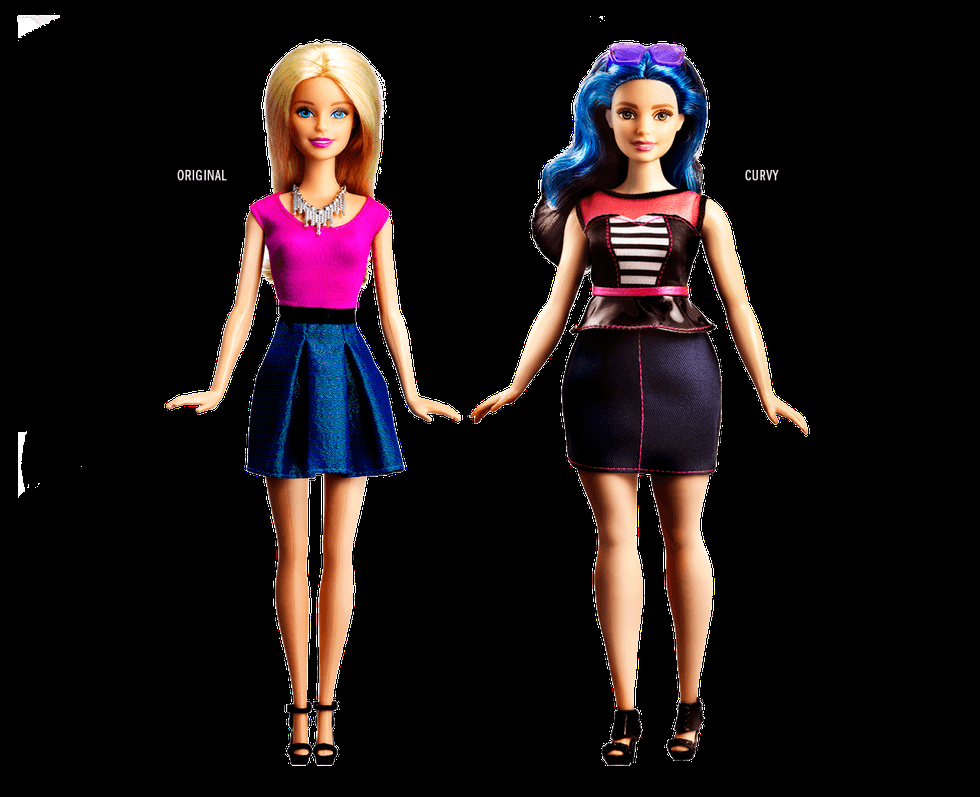
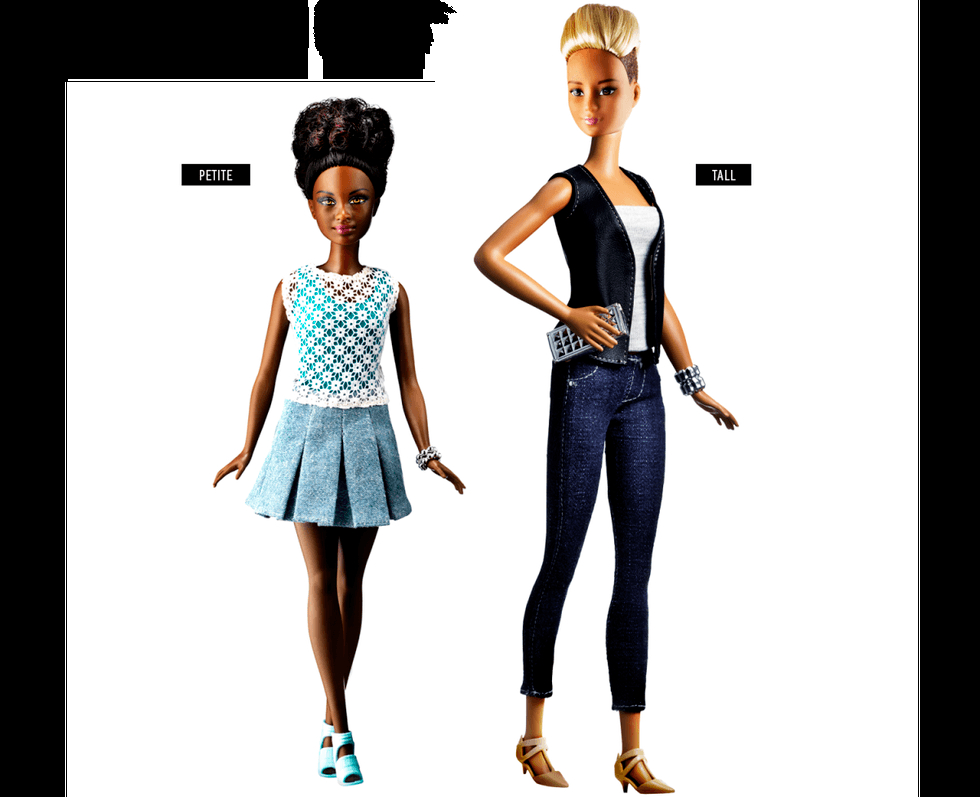
Barbie has been such a huge influence for some children and now she can look like everyone else, rather than everyone trying to look like her. TIME Magazine made the new and improved Barbie line their cover story this past week and spoke of the benefits of this new change, but also the drawbacks. The author stated that since Barbie's look is so iconic and many children already own the original doll, they will try to strip the clothing off of the three newest dolls but will fail to make the clothing fit, especially onto "Curvy" Barbie, which will cause these children to become frustrated with the new line of dolls. Although the risks of these three new dolls are present, the positives are overwhelming. TIME stated that people, especially young women, are beginning to look up to and trying to emulate the body types of Kim Kardashian-West and Beyonce, who are considered to be curvy women. The President and COO of Mattel closed the article by saying, "Haters are going to hate. We want to make sure the Barbie lovers love us more -- and perhaps changing the people who are negative to neutral."
















