
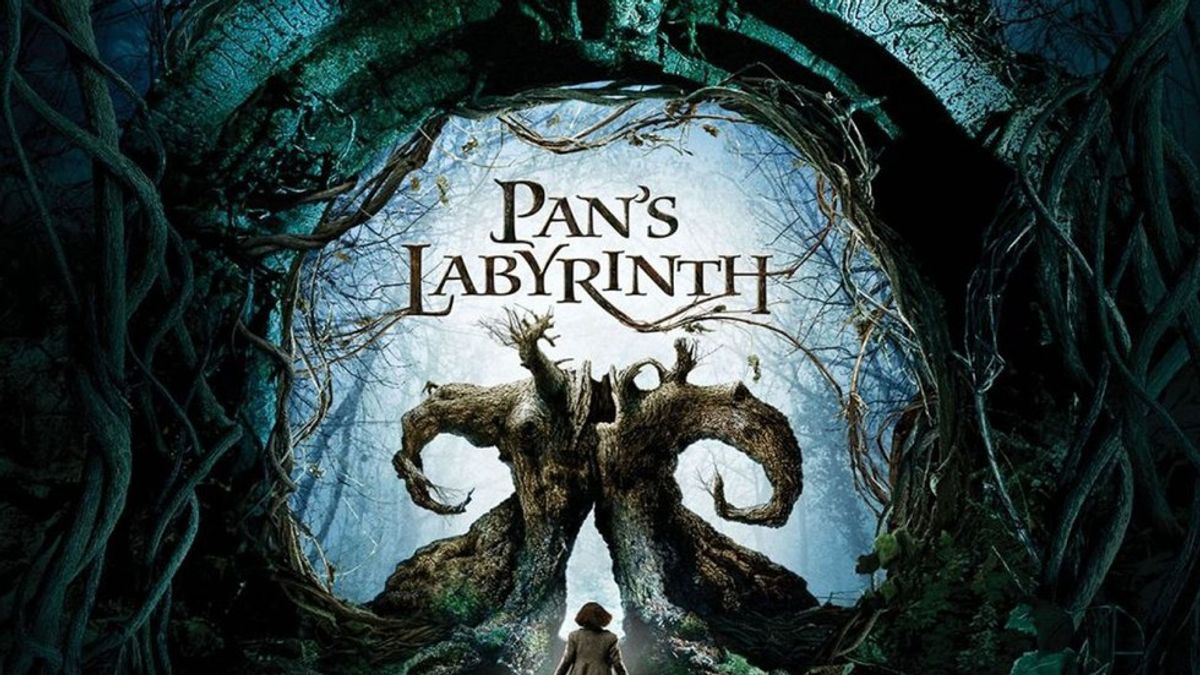
The following review will contain spoilers for "Pan's Labyrinth." Either click away or read at your own risk.
Fairy tales might only exist in the imagination, but monsters are very, very real.
Set in post-Civil War Spain in 1944, "Pan’s Labyrinth" follows Ofelia (Ivana Baquero) who moves to an old, remote house with her heavily pregnant mother Carmen (Ariadna Gil). Ofelia’s stepfather, the fascist Captain Vidal (Sergi Lopez) has been tasked with hunting down republican rebels in the area, but insists on being present for the birth of his unborn son at the expense of his wife’s health.
Bookish, imaginative, and lonely, Ofelia encounters a fairy in the surrounding forest who leads her through a stone labyrinth to a faun (Doug Jones). He enthusiastically tells her that she is the reincarnated Princess Moanna of the underworld. But, in order to return to her rightful place, she needs to prove that her “essence” is pure and that she hasn’t become a human. To do so, she has to complete three tasks in time for the full moon. However, conflicts in Ofelia’s reality hold her back: the uncertainty of her mother’s and unborn brother’s life, the cold and brutal nature of Captain Vidal, and her own confusion and trepidation.
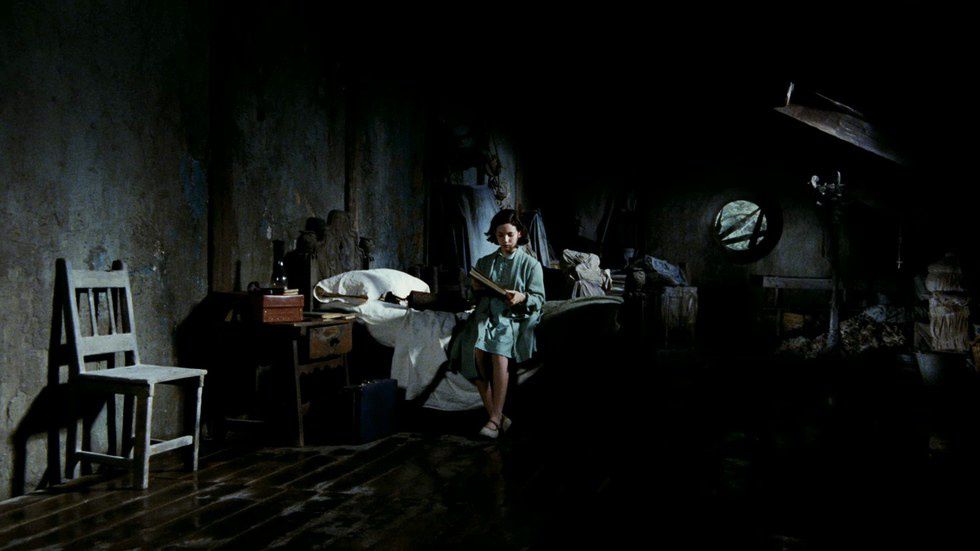
While “Pan’s Labyrinth” is a visually stunning fantasy film, it is not intended for children. At its core, it is a dark, tragic story of how in a sad and incredibly difficult reality, the only comfort it has to offer is death.
While there are a number of examples, such as Doctor Ferreiro (Alex Angulo) euthanizing a tortured rebel or Carmen’s sickness and pain during her pregnancy only being relieved by dying during childbirth, Ofelia is certainly the most significant. Her journey throughout the film consists of working backwards from where her past self left off. Princess Moanna went from the underworld to the surface, or, death to life, but instead found pain and coldness. Ofelia is surrounded by pain and coldness and goes from life to death. While her death in reality is appalling and unfair, it’s celebrated in the underworld since it marks her joyful return.
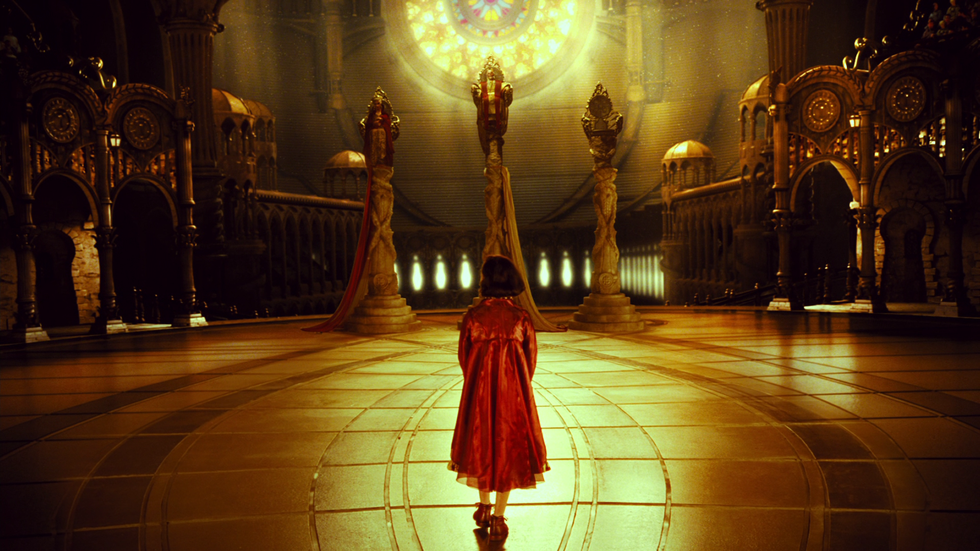
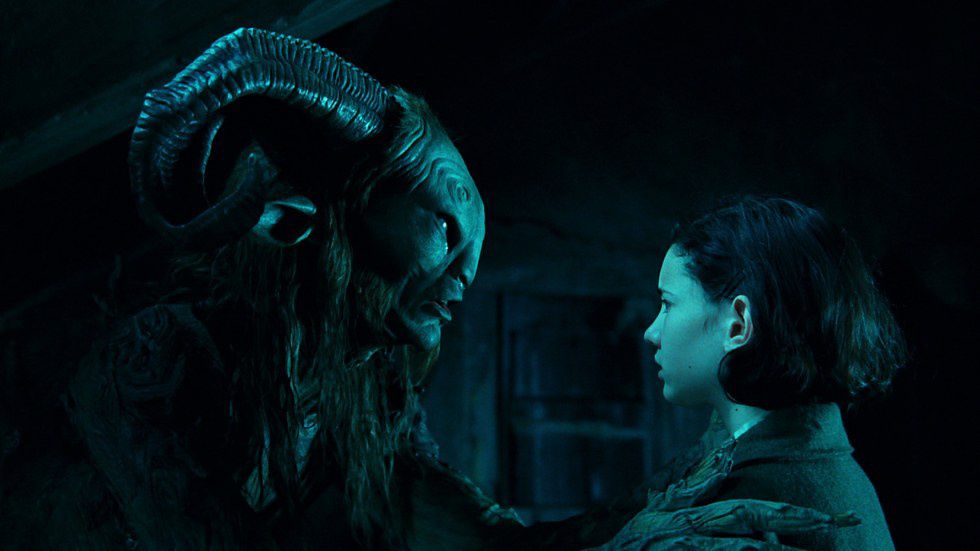
With such a grim message, it’s no wonder “Pan’s Labyrinth” is filled with violence and horror. Sure, reality sucks and people die all the time in horrible ways, but the world that the faun introduces Ofelia to is far from the typical Disney dreamland. While its gothic aesthetic is eerily entrancing, it’s also gross and disturbing, filled with huge, slimy toads and child-eating monsters with eyes in their hands. Even the faun, Ofelia’s self-proclaimed guide, is incredibly suspicious; his speech and movements constantly communicate ulterior motives, and every time Ofelia encounters him, he always comes out of the shadows cast in strange blue moonlight.
However, “Pan’s Labyrinth” is a story of optimism and hope in the face of harsh reality. Ofelia goes on a fantastical journey filled with magic and mystery. In the end, she does get her happy ending, just not in the way that might be expected.

















