


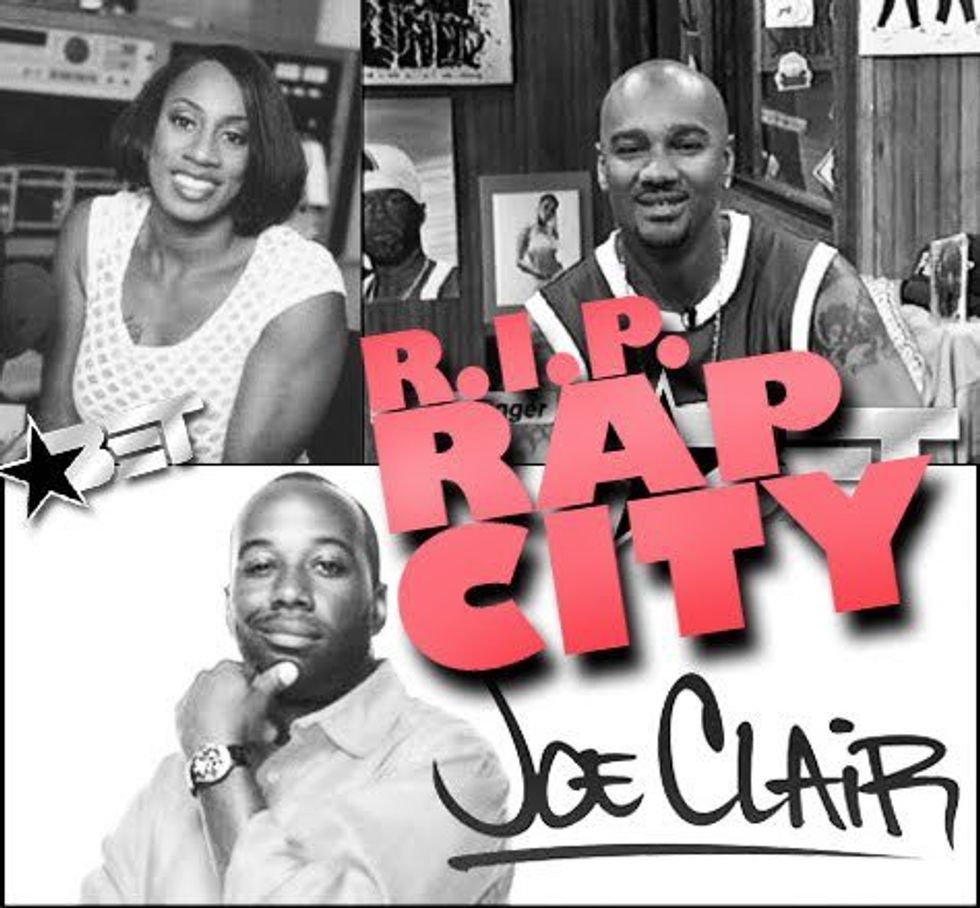
There was once a time when BET was a force to be reckoned with on cable television. From afternoon through the evening, there were top-notch programs on the network for every day of the week. Shows like "106 & Park" and "Cita’s World" dominated the daytime ratings, while more mature content like "BET: Uncut" aired late in the night.
But it was another show that aired in the afternoon on weekdays that helped to take hip-hop to another level, "Rap City." Originally airing in 1989, the show went through several hosts, but it was radio personality Big Tigger who made the biggest impact after joining the show in 1998.
Originally Tigger was a co-host with Washington D.C. radio personality Joe Clair, but in 1999 producers decided he could carry the show solo. In September of 1999, the show was renamed "Rap City: Tha Basement," a new angle used to draw in more viewers. Artists would come into the basement, playing video games and partake in interviews with Tigger while waiting for his mother to prepare a meal upstairs.
The show gave up-and-coming or regional artists a chance to expand their fan bases, while giving popular artists an opportunity to display their personalities. These interviews also served as opportunities for promotions for upcoming albums and projects. But the biggest draw of the basement was the booth, where rappers came to display their skills by rapping with Tigger over the hottest beats out.
The early 2000s ushered in a change in hip-hop following the deaths of 2Pac and The Notorious B.I.G and the East-West stranglehold on the industry. Southern staples like Cash Money, Nelly and Ludacris were household names and several artists were fighting for the crown of king of New York. The new era of artists in the industry vying for notoriety only helped the success of the show.
Tigger’s bubbling personality paired with his freestyling abilities made for great TV, as he sparred with lyrically with some of the biggest wordsmiths in the game. Garnering respect from both artists and fans, the show propelled Tigger, as an artist and personality. In 2002, he featured on singer R. Kelly's hit "Snake," a Billboard Top 20 single. In 2004, he was featured in EA Sports boxing title "Fight Night 2004." This was a time when lyricism was at an all-time high, where a freestyle in the booth could make or break an artist.
Several artists used their "Rap City" appearances to address beef, calling out fellow emcees. Quarrels that were just rumored were confirmed when artists subliminally addressed their adversaries in the booth or flat out stated names.
This was especially apparent when members of State Property and The L.O.X. sent jabs at each other in the booth during one of the greatest rap beefs in 2002. Lil Wayne addressed and dissed Gillie The Kid for claiming to be his ghostwriter in the booth. These moments served as pivotal moments in rap history, driving rating through the roof.
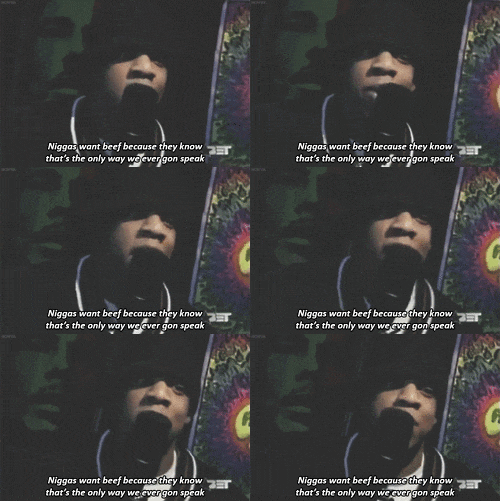
"Rap City" was also pivotal for southern rap artists, who often are tagged with the stigma of not being lyrical. Artists like Lil Wayne, Ludacris, T.I. and Nelly set out to prove doubters wrong by dropping memorable bars in the booth.
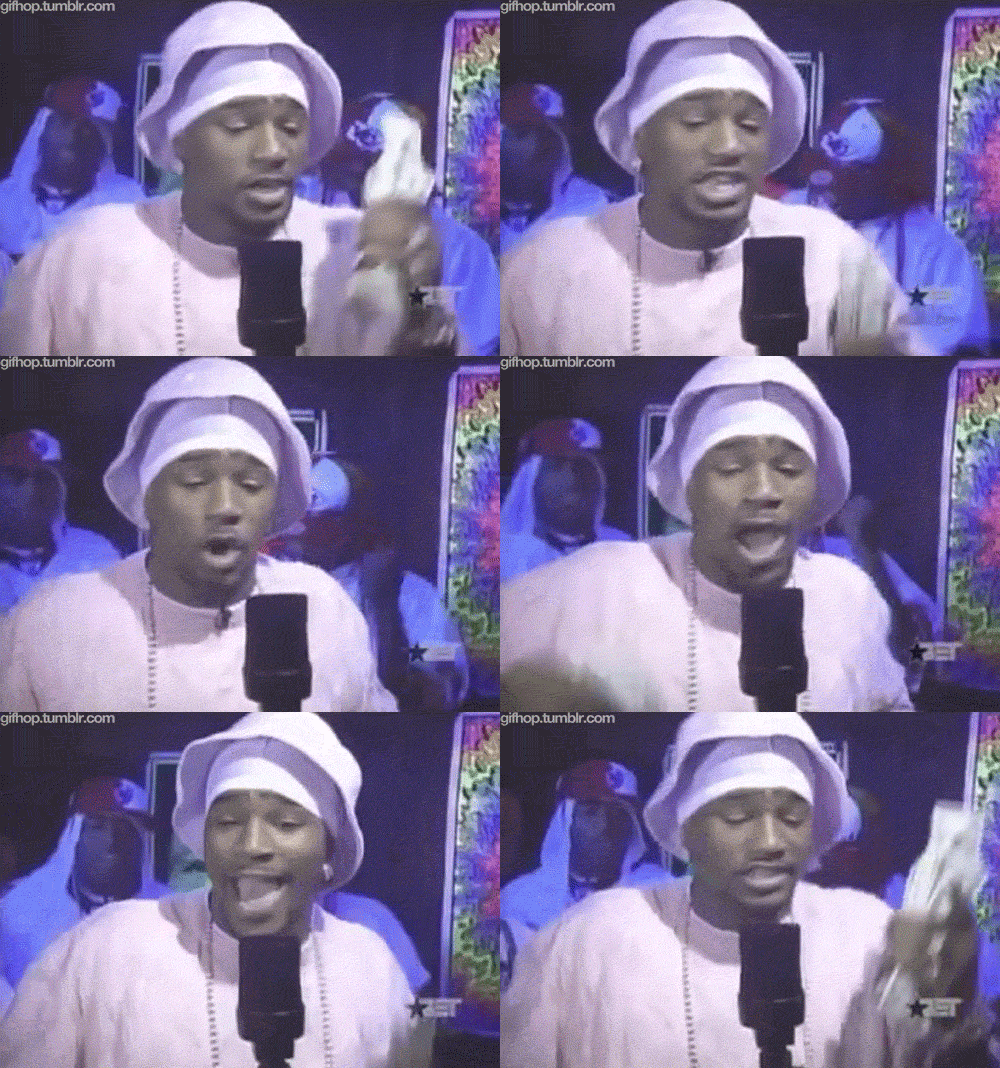
Airing at 4 p.m., the show was a part of BET’s after school lineup, and it caused students like myself to rush home to see which artists would be on the show each day. Many of the most memorable moments in rap history occurred in the basement, like Cam’ron counting money during his monumental freestyle and rapper Ghostface Killah threatening Tigger for questioning his outfit.
But the show wasn't reserved to just rappers, showing love to reggae artists like Buju Banton, Elephant Man, Sean Paul and Beenie Man.
In 2005, Tigger and "Rap City" parted ways and the show went through several underwhelming hosts before being canceled in 2008. For my generation of ‘90s babies, "Rap City" was equivalent to "YO! MTV Raps." The show exposed the world to artists they might not have ever heard of, no matter where they were from or who they were signed to. The show gave an in-depth look at the person behind the music, from their style to their persona.
As rap becomes less lyrical, it's apparent that the show wouldn’t be the same if it still existed. The show served as a major platform for exposure at a time when social media wasn't thought of and the internet was still working out its kinks. It's common to hear conversations amongst rap fans debating which artist had the best freestyle or appearance on the show, but through sites like YouTube, the memories can be relived for years to come.

















