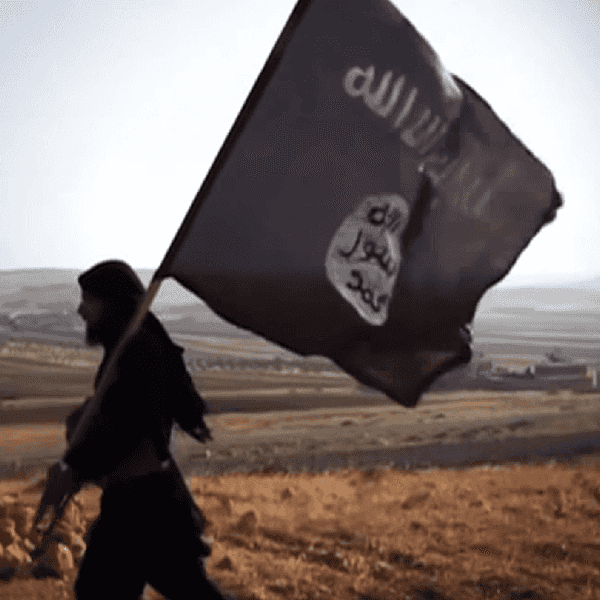
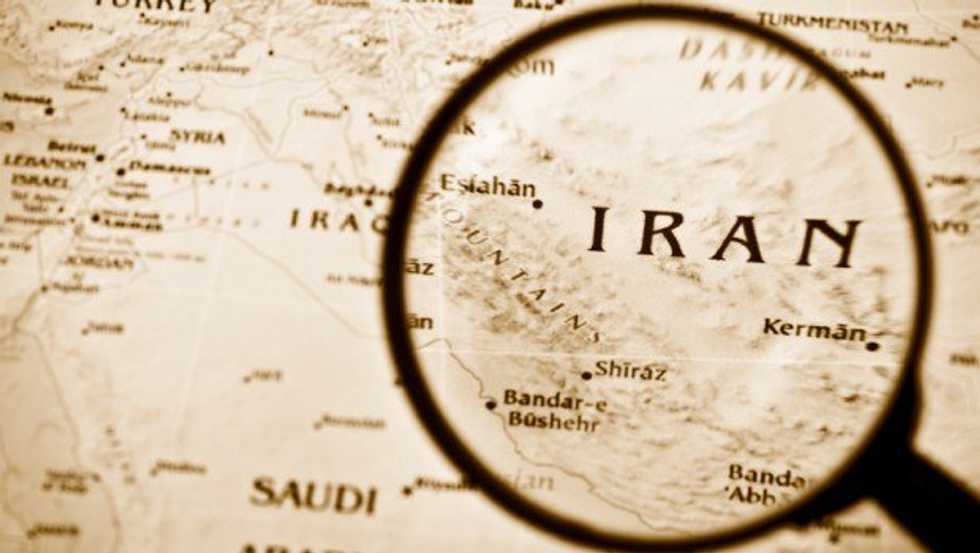
Iran has often been crowned as the kingmaker of the middle east. Strategic geographical location, and, deep involvement in the conflicts of the region has earned Iran the reputation of a kingmaker, an attribution vindicated as much by its recent polity as by its incredible history. A committed ally of the United States till the eventful year of 1979, Iran continues to play a crucial, often paradoxical, role of both, engineering and defusing major threats to regional stability. Given the ongoing bloodbath in Iraq and Syria, there is a dire need for reaching an understanding with the Iranian regime. While the troubled, frightful history shared by the United States and the current Iranian regime is impossible to ignore, the success of any strategy aimed at eliminating the Islamic State, restoring state structures in Iraq, and ensuring a peaceful, bloodless transition in Syria will require the consent and cooperation of the Iranian regime, a task that requisites, at least, a tacit understanding between the West and Iran.
The tension in Iran’s relationship with the west has exacerbated over a range of issues in the past four decades. There are compelling grievances from both ends. Hostage crisis of 1979, prolonging the Iran Iraq war, creation and rearing of Hezbollah in Lebanon, financial backing of Hamas, violations of the Non Proliferation Treaty (NPT), and holding political prisoners on flimsy grounds, constitute the major charges levelled against the Iranian regime. The Iranian regime, too, holds certain actions of the United States to be in contempt of Iranian dignity. Beginning with the needless coup d'etat in 1953, a joint venture of the British and American intelligence agencies, that toppled the educated, secular, and most importantly, an elected prime minister, Mohammed Mossadegh. Following the bitterness for Americans that took root in the Iranian psyche after the coup, a blunder that would later cost the United States her most sincere ally, the contempt for American foreign policy would only exacerbate. America’s backing of the iron fisted Shah, her support of Iraq in the IranIraq war, in which Iraq was the invading aggressor, shooting down, by mistake, of an Iranian civilian airplane flying over the Persian Gulf by the American coast guard killing all 292 people on board, these incidents populate the grievances on the Iranian side. The baggage that the two governments carry is incredibly large, and remorseful. There, however, is one objective that both governments wish to attain, defeating the Islamic state.
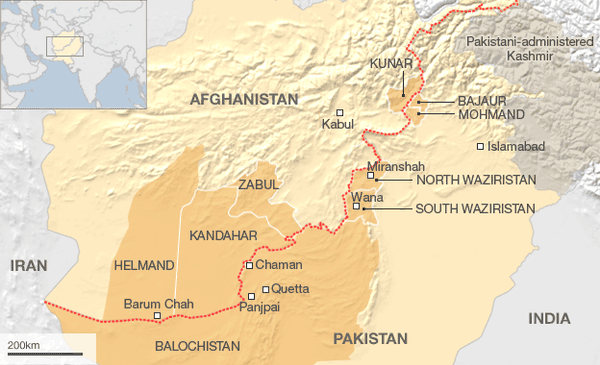
The ascension of an archaic minded, anti western, shiite hating group, in a country bordering Iran is not an unprecedented scenario. A regime different in most ways, similar in some, the Taliban, rose to power in 1996, only being ousted by the American intervention in 2001. That war, however, is far from over. Remaining cognizant of the tenuous ties between the United States and Iran, the question of Afghanistan was, and continues to be, a matter of mutual concern. The lack of cooperation between Iran and the US vis àvis Afghanistan has casted drastic setbacks in handling the resurgence of the Taliban. A proposal of indefinite cooperation on assisting in the fight against the Taliban, made by the Iranian regime under the moderate President Khatami, was stupidly rejected by the Bush administration. Eight Iranian diplomats and thousands of Afghan Shiites were mercilessly executed by the Taliban, the emergency that had invoked the Iranian proposal, only to be stonewalled and ultimately rejected by the White house. The refusal to the Iranian offer, a debacle in my view, isolated Iran from the fight against the Taliban, and left the United States with a single, unreliable ally, Pakistan, a disguised victory for the Taliban. Iran’s role in conflict resolution in Afghanistan was dramatically reduced by the Bush administration, the repercussions of which have been self defeating for the American endeavor in Afghanistan.
This pattern of non cooperation, often reinforced due to pity, internal political one upmanship on both sides, has already proved devastating in the case of Afghanistan. And it just might, yet again, cause irreparable damage if these two key political players do not cooperate in their fight against the Islamic State. Complete agreement on complex political predicaments is an unreasonable expectation to hold, a reality to which I concede, but minimal cooperation in defeating a common enemy is manageable. Yet again, there is a monstrous, radical force wreaking havoc in the middle east, a common objective has arisen, a much awaited deal is underway, the time for friendship between the US and Iran is just right, and most needed.