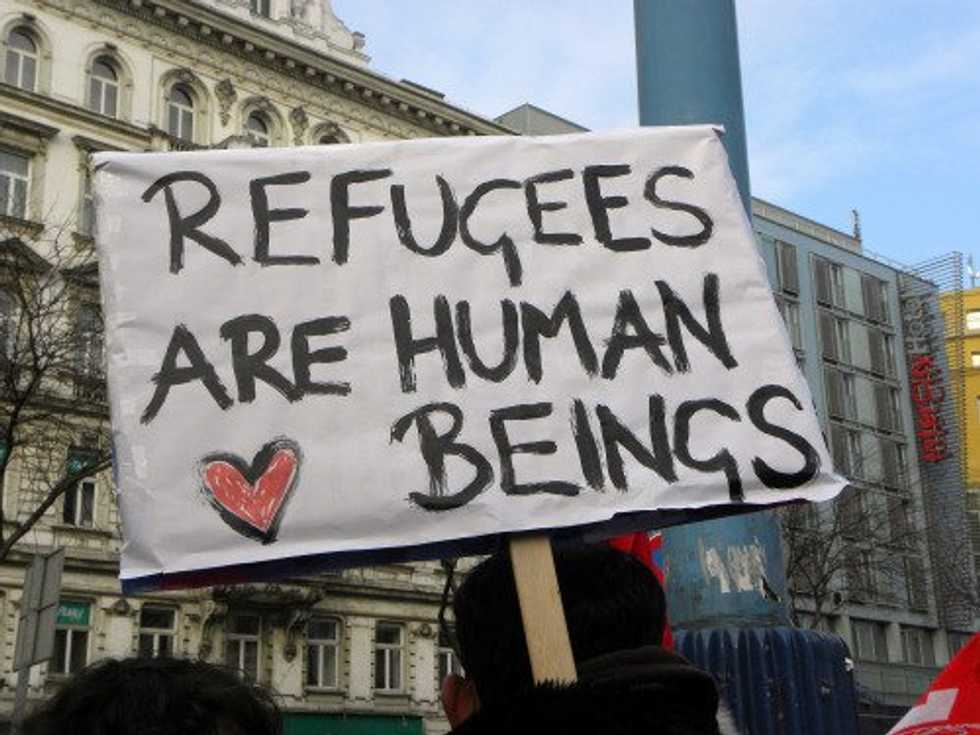
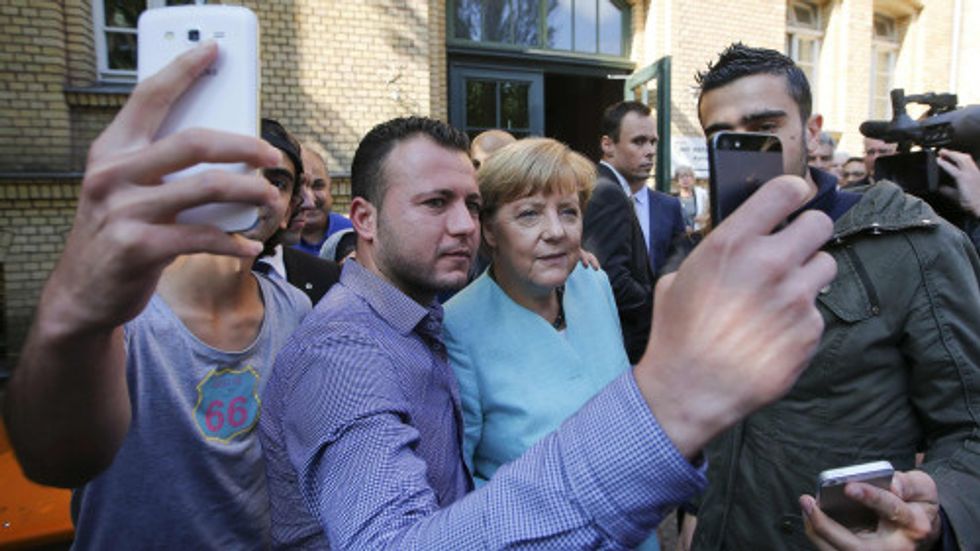
The EU has been under pressure in the last months for the refugee crisis that has been putting strains on all member states. Lately passed in the EU commission, a quota has been set for all member states allowing for a relocation of 120,000 refugees. Now as this plan won the majority of the votes, there were four member states who voted against it and one that abstained: Finland. This is particularly interesting because these member states have essentially ceded their rights to control their own borders, which I’m not saying is a bad thing. The member states who rejected the quota scheme are mainly eastern European countries that are fairly new to the EU and that have partaken in measures to keep refugees from coming in. These states are: Hungary, Romania, Czech Republic, and Slovakia. Angela Merkel, the chancellor of Germany, has urged the EU to share the burden of refugees, but maybe this is only because Germany is a migrant hotspot, offering jobs and generous welfare assistance to refugees.
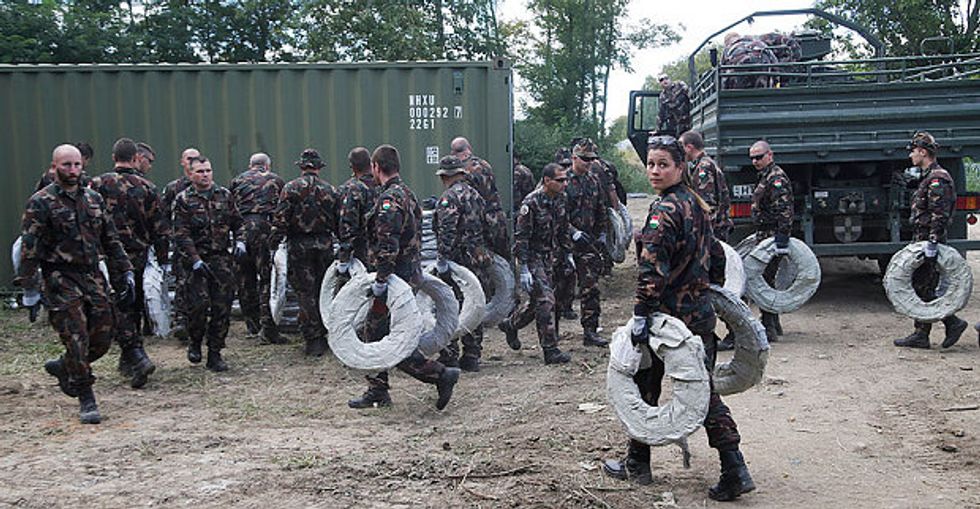
In the case of Hungary, things have become more strict when on Monday, Sept. 21, the government allowed for the military to help with the handling of refugees. Involving the military ultimately shows that the Hungarian government is against migration and will use force against the refugees if necessary. The Hungarian government released full-page advertisements on Monday in An-Nahar, the Lebanese daily newspaper, warning of "the strongest possible action” against illegal border crossing. The aggressiveness of Hungary was gladly met by the enforcing of these quotas, but unfortunately that does not promise acceptable treatment for refugees when they are there.
Although these eastern countries may be more new to the EU that does not meant that they can pick and choose what they want to take a part in; with every deal there are benefits and risks. This deal, although controversial, shows solidarity between the majority of states and also it reflects the moral capacity that democracies have for helping those in need. It is not the obligation of any state to accept refugees, but instead the moral duty as that state to accept responsibilities that potentially fall on its shoulders as it has now with the largest migrant crisis that has hit Europe since WWII.