
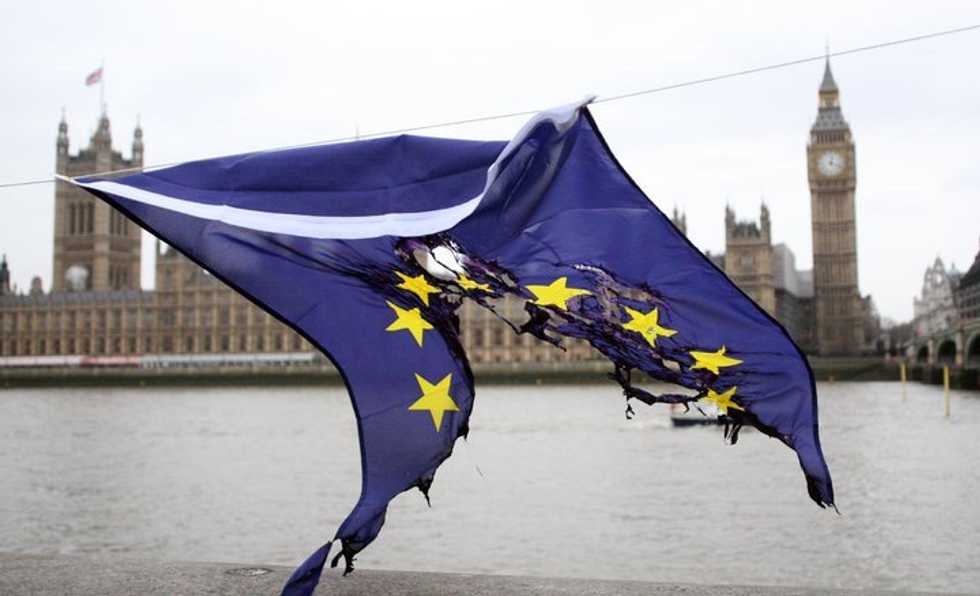
Britain’s recent referendum to exit the EU has created a shockwave of disbelief and panic throughout the world. Everyone from stockbrokers to sports writers are scratching their heads wondering how this came to pass and what this means for European society as we know it. Many cannot fathom how the EU, once a beacon of stability in the world, now looks to be on the brink of falling apart.
More knowledgeable observers (and political junkies like me) have seen this coming for a very long time. The success of ultranationalist, conservative politicians on both sides of the pond and the channel herald a worldwide return to isolationism after an unprecedented period of globalization. Especially during times of economic crisis, demagogues like Nigel Farage can easily convince people that internationalism and EU regulations are at fault for everything from the failing health system to the rising cost of avocados. Throw in a healthy dose of good old-fashioned xenophobia and racism, which are as much a part of Britain’s cultural legacy as the ravens on the Tower of London, and you have a country ripe for isolationism.
Britain’s exit from the EU could very well trigger another wave of dissatisfaction among its other neighbors. I predict that the countries most likely to leave the EU are ironically going to be the ones that have been there longest. The biggest reason is xenophobia. The Syrian refugee crisis and the pressure the EU government has put on member states to accept refugees has triggered a wave of racism and fascism that many had thought was eradicated in Europe but has only been lying dormant. The relatively recent admission of Eastern European countries to the EU and the subsequent wave of (much-needed) emigration to western European states has also triggered a panic among the peoples of the west, who still consider Slavs and other Eastern Europeans an inferior race. To borrow a line from the way most British journalists write about the Balkans, “ancient ethnic hatreds” have shown that it is impossible to create a unified Europe.
The institution of the European Union itself, especially the common currency, is built on precarious foundations. The economy is tied to the assumption that every member state will achieve the prosperity of Germany, which is impossible especially as the organization expands into more impoverished parts of Europe. The disparity between each state’s economy causes political turmoil as wealthier countries like Germany resent the fact that they are essentially paying for another country’s economic rebuilding and attempts to wield their economic clout to gain political influence, as well.
The economic disparity also feeds old prejudices as the states of Northern and Western Europe accuse their neighbors of being lazy and stupid. Although many ascribe the economic disparity to cultural differences, they fail to recognize the historical circumstances that have privileged certain countries. While Germany was given financial assistance by the U.S. to rebuild after World War II and was able to get on the fast track to industrialization, Greece was ravaged by decades of civil war and dictatorship that slowed its economic development.
The EU’s recent expansionism has also contributed to its collapse. In its search to bolster its position against a resurgent Russia to the East and to find new markets, it has admitted countries that are incredibly unqualified to enter into its ranks. Greece has been fantastically corrupt for years, Romania and Bulgaria are incredibly impoverished, and Croatia’s economy is not only failing but its government has a nasty habit of imprisoning opposition journalists. Admitting these countries into the common market, tying every state’s economy to theirs and then wondering why everything is falling apart is akin to pouring gasoline in your house, dropping a match and wondering why everything is on fire.
The “Brexit” has devastating consequences for Britain and the entire world that we may still be unpacking for years. The reason most people voted to leave range from ignorance to racism. However, we should take this opportunity to analyze the underlying structures of the EU and think about why it is failing.