

We all know that college expectations are usually quite different from reality, and picking a major is no exception. From high schoolers to undecided college students and even those content with their current major, we've always wondered what it would be like to study something new for a day. A lot of the time, the daily lives of students in certain majors aren't always all they're chalked up to be, while sometimes they fit right in with their stereotypes. To that end, here's a list of the traditional descriptions of some popular college majors, followed by the real life experiences that will inevitably come with them.
1. Engineering
What they tell you: Engineering majors learn to use science and math to solve practical problems and help create everything from assembly lines and oil-drilling techniques to spacecraft and MP3 players.
What it's really like: “I know I learned the specifics about this at some point, but for now let’s just wing it and see if it works.”


2. Philosophy
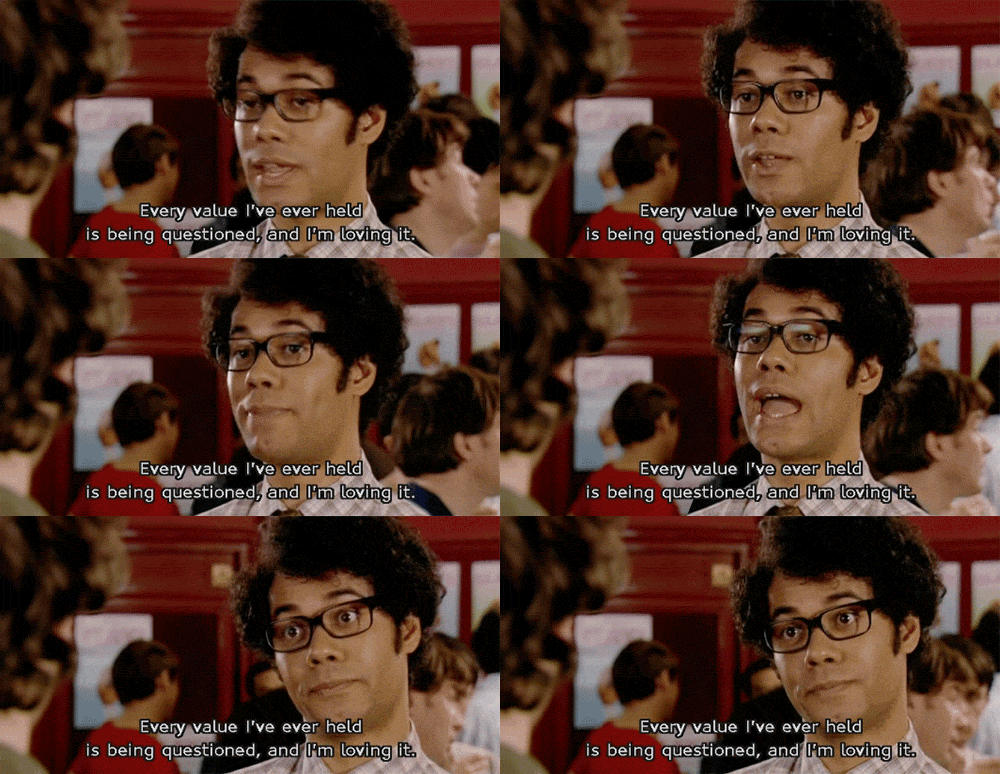
What they tell you: Philosophy majors examine basic questions about such topics as the nature of existence and knowledge. They also study the history of philosophy, learn how to use logic and argue their ideas, and use philosophy to better understand other fields.
What it's really like: Spending a significant amount of time outside of class contemplating your existence, the existence of others around you, and just ending up slightly more confused than you were when you started.
3. Pre-Med
What they tell you: Premedicine programs provide guidance to students as they prepare for medical school, osteopathic medical training, and podiatric medical training.
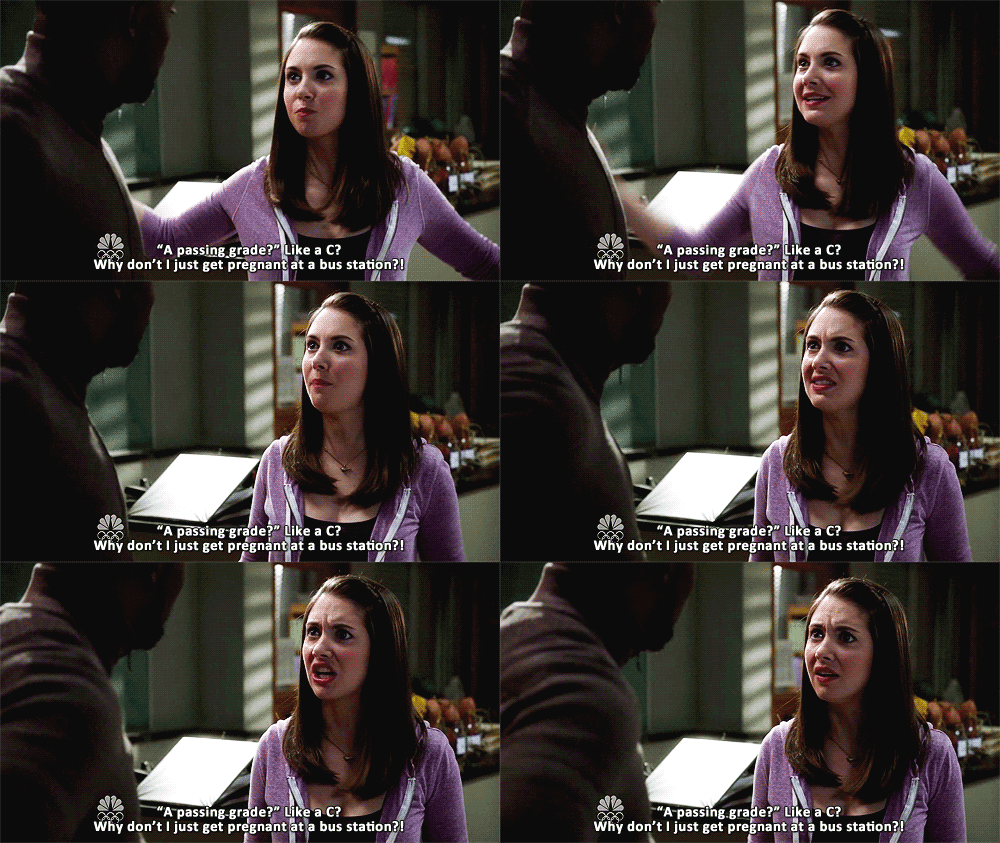
What it's really like: “I haven’t slept in 48 hours, have two exams tomorrow, and am already dreading the $500k in loans I will be paying off for the rest of my life. However, I’ll somehow still manage to pull off a perfect GPA and make it look easy.”
4. History
What they tell you: History majors learn how to interpret objects and written documents from the past. They also read the works of published historians and evaluate their ideas.
What it's really like: “So, what do you want to do with that after graduation?”

5. Computer Science
What they tell you: Computer science majors learn about computer systems and the way humans and computers interact from a scientific perspective. Instruction includes programming and the theory and design of software.
What it's really like: Spending half your time writing code and feeling like a computer whiz, and the other half banging your head into a wall over a single missed semicolon.

6. Physics
What they tell you: Physics is the scientific study of matter and energy. Topics covered include classical and modern theories, electricity and magnetism, and relativity.
What it's really like: Once you think you understand all the basics of physics, you'll go on to be told that everything you once knew is actually a lie. Problem sets usually involve shooting random objects off buildings or running at superhuman speed atop a moving train, and unfortunately experiments sometimes don't go as planned.

7. Business
What they tell you: Business majors study the buying, selling, and producing of goods, as well as business organization and accounting. They learn how to use the basic principles and techniques of business in a variety of workplaces.
What it's really like: People may think that you have it easy, but that’s far from the truth. While you still have yet to master those advanced accounting, finance, and statistics concepts, your business casual wardrobe and LinkedIn profile are grade A material.

8. Communication
What they tell you: Communication studies is an academic discipline that deals with processes of human communication. The discipline encompasses a range of topics, from face-to-face conversation to mass media outlets such as television broadcasting.
What it's really like: You'll think you know what the communication field is really all about after a semester or two, but in reality it will still be just as much a struggle to explain as an upperclassman. However, the good news is that you can actually go on to do just about anything once you graduate, contrary to popular belief.

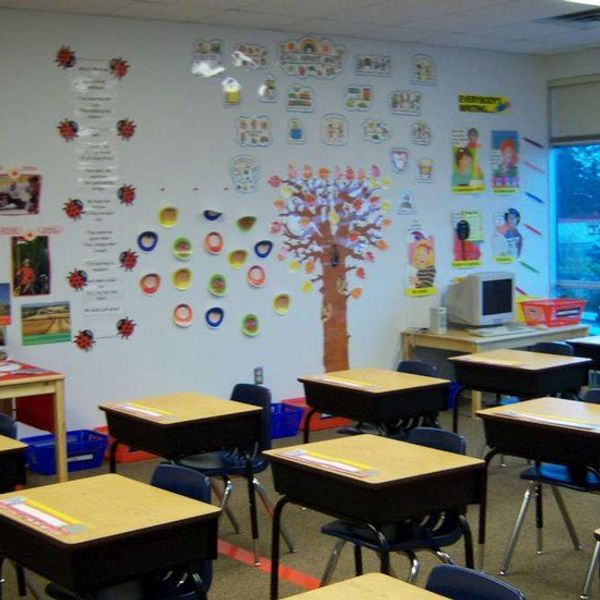
9. Education
What they tell you: Education majors study how people learn and how to best teach them. Classes cover such topics as educational psychology, school health and safety issues, and the planning of classroom activities.
What it's really like: Paying hundreds of dollars per credit to take classes on arts and crafts, third grade math, and dodgeball is a daily reality. But hey, those skills may really come in handy when you're the one with your own classroom.