


"Cinder," "Wicked," "Once Upon A Time," and every Disney Princess movie each portray a different interpretation of a well-loved fairy tale. While changing well known stories is nothing new in our society, the question is: "Why do we do it?" Most adaptions are written by people who loved the original tale, so one could easily question why they would want to change it. I would like to give my opinion as to why we like to update our favorite tales.
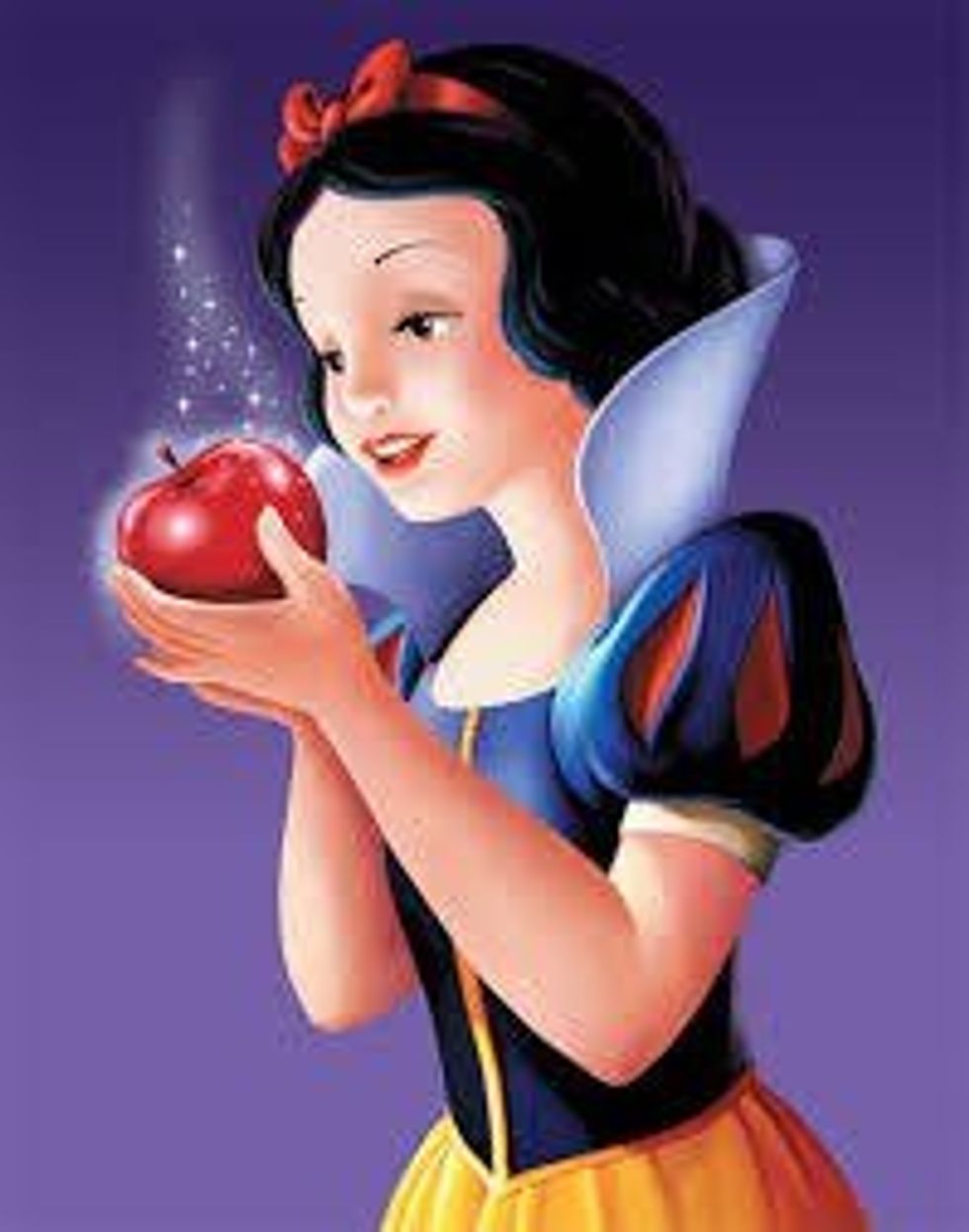
One reason is to update the tales from the culture they were written into the current taste of our society. Many of our beloved tales feature the princess character in more of a passive role, often just reacting to things happening to her instead of trying to change them. Women's roles during the time these stories were written were vastly different, and as a society, we have evolved beyond that. Women are no longer thought to be just housewives and the overly simple characters whom you can replace with a lamp and not notice a difference. As a result, we want these classic stories to change along with us. We don't just want our princess reacting and being a victim to things that happen to her; we want them to be in on the action. We don't want Snow White to be asleep throughout most of her story; we want her to be leading her dwarfs onto the battlefield against her evil step-mother. By promoting these characters into more predominate roles, we are creating heroes for our children to look up to instead of damsels in distress for them to roll their eyes at and close the book. Thus continuing the stories we have loved onto the next generation.
Another reason I believe we do so is to make the story unpredictable. If we heard the Grim Brothers' version of Cinderella unchanged in every adaption there was, we would get tired of hearing about it. By turning her into a cyborg in a dystopian future like in the "Cinder" books, we are left to wonder how the author is going to incorporate the Cinderella elements into her story. All this while we're seeing how this new story with characters we might know but were given different personalities plays out.
The same thing goes for focusing the story on the villain. In most stories, we only get to see the hero's rise. This often leaves the audience only knowing the most basic information about the villain. By re-imagining the story with the villain as the story's protagonist, we get to see his/her reason for doing what they do.
I love stories that take an interesting spin on a fairy tale and from what I can see of this trend in the YA genre it not going away anytime soon.















