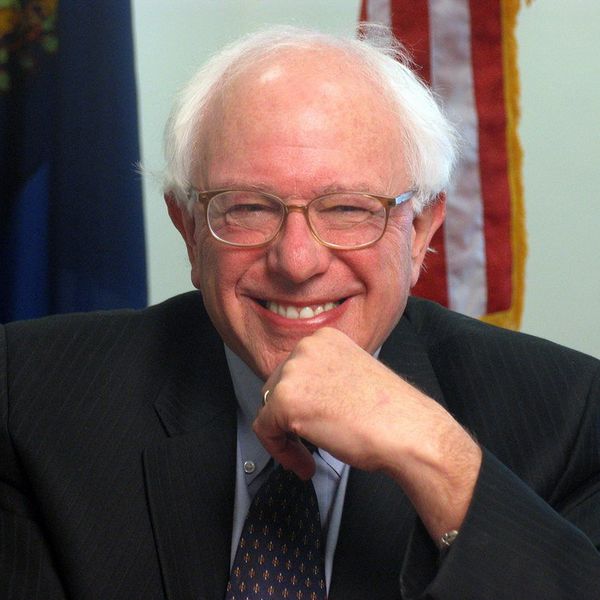

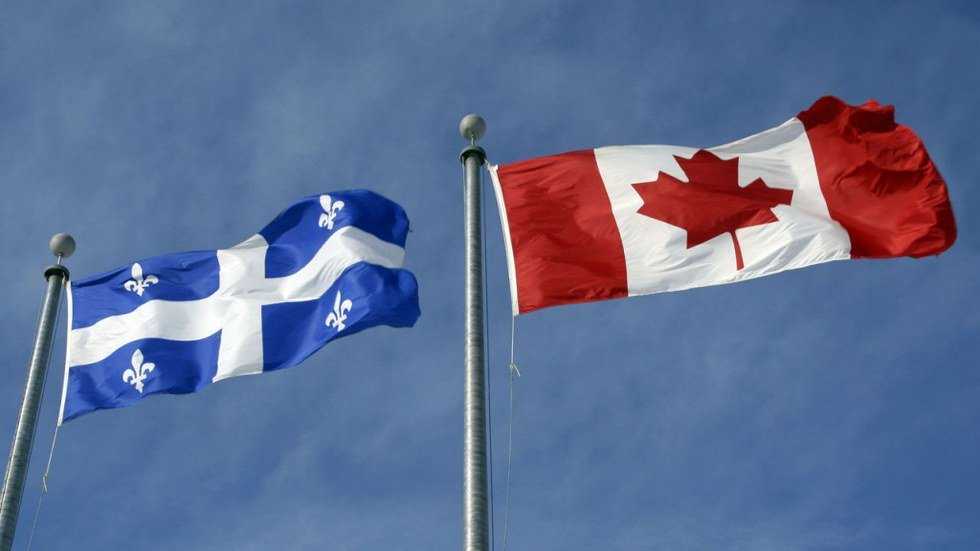
Canada is at a crossroads. Sovereignty for Quebec could be a possibility after the elections held on October 15th. The issue of Quebec sovereignty has been a hot-button issue amongst Canadians for many years. Currently, the province is a part of Canada, but asserts that French is the official administrative language before English, maintain some of its own civil institutions (distinct from Canada), use french "Civil Code" as part of its legal system and serve as the guardian of Francophone culture in the Americas. Although many political strategists have counted out the Québécois separatists , they may have found their leader, Thomas Mulcair. Mulcair is a McGill University educated attorney, who served in the Legislative Affairs section of Quebec's Justice Ministry starting in the late 1970's. In 1994, Mulcair was elected to the Quebec National Assembly (the province level legislature), where he served for several years. In 2007 he ran for National Parliament, where he represented the Montreal district of Outremont. As the Leader of the Opposition, Mulcair has expressed support for the NDP Sherbrooke Declaration, which would recognize the sovereignty of Quebec if a simple majority (50% +1) of citizens voted for sovereignty.
The Sherbrooke Declaration is in contrast with the Liberal Party backed “Clarity Act” which states a “clear majority” of citizens must vote yes on a referendum in order for it to pass. Muclair’s support for the Sherbrooke declaration would allow Quebec to gain freedom, relatively easily, compared to the Clarity Act. Opposition candidates include; the incumbent Conservative PM, Steven Harper, Justin Trudeau of the Liberal Party, Gilles Duceppe of the Bloc Québécois, Elizabeth May of the Green Party and Jean-François Fortin of the Strength in Democracy Party.
"Vive le Québec libre! Vive, vive, vive le Canada français! Et vive la France!" ("Long live free Quebec! Long live, long live, long live French Canada!) This was the rallying cry for separatists across Quebec and the rest of Francophone Canada. Inspired by De Gaulle's words, the separatists posed two crucial referendums in 1980 and 1995.
Thirteen years later after De Gaulle’s declaration in 1967, René Lévesque’s Parti Québécois proposed that Quebec administer its own laws, operate its own legislature and maintain a diplomatic presence. The original referendum question was quoted as asking whether the voter would “…enable Quebec to acquire the exclusive power to make its laws, levy its taxes and establish relations abroad — in other words, sovereignty — and at the same time to maintain with Canada an economic association including a common currency.” In other words, Quebec would still use Canadian currency, but would be able to enact its own laws, assert French as its language and gain international recognition. Despite the intentions of the separatists, Quebec remained a part of Canada, subject to its legislation after 59.5% of voters voted no on the referendum.
“The time has come to reap the fields of history… the time has come for us, tomorrow's ancestors, to make ready for our descendants harvests that are worthy of the labors of the past.” In the year 1995, the Parti Quebecois earned another chance to gain sovereignty. Unlike the 1980 referendum, the Charlottetown Accords, and the Meech Lake Accords, the '95 referendum proposed that Quebec residents maintain Canadian citizenship and also hold citizenship from Quebec as well. If the referendum were to pass, the province would be able to represent itself in international bodies such as the United Nations. However, many Canadians wondered if Quebec had an economy that was robust enough to support itself. Many residents were confused about Quebec’s proposed economic status, along with its role in foreign relations. Despite the optimistic attitude of those seeking sovereignty, the referendum received a 50.58 percent no vote, while only 49.42 percent voted yes.
Now Quebec gets another shot at sovereignty with the NDP’s Thomas Mulcair. Will he stay true to his French-Canadian roots or give into political pressure from the rest of Canada? Should the NDP win, would the Clarity Act be abandoned in favor of the Sherbrooke Declaration? Alternatively, should Trudeau’s Liberal Party win, would they pose a sovereignty referendum under the "Clarity Act"? No matter how one feels about the Canadian election, it is definitely an unconventional one, which could yield unprecedented results.