Disney has been a part of many of our lives since childhood. The way that Disney caters to more than one age group is something amazing. Psychology is used with advertisements as well as in the media. With the new release, "Finding Dory," many of the 90s babies are feeling the weight of the passing years. The legacy left by Walt Disney has touched many people all over the world. I'm sure many can connect with characters ranging from "Frozen," which focuses on anxiety, depression and trust issues, to "The Lion King," a deemed classic.
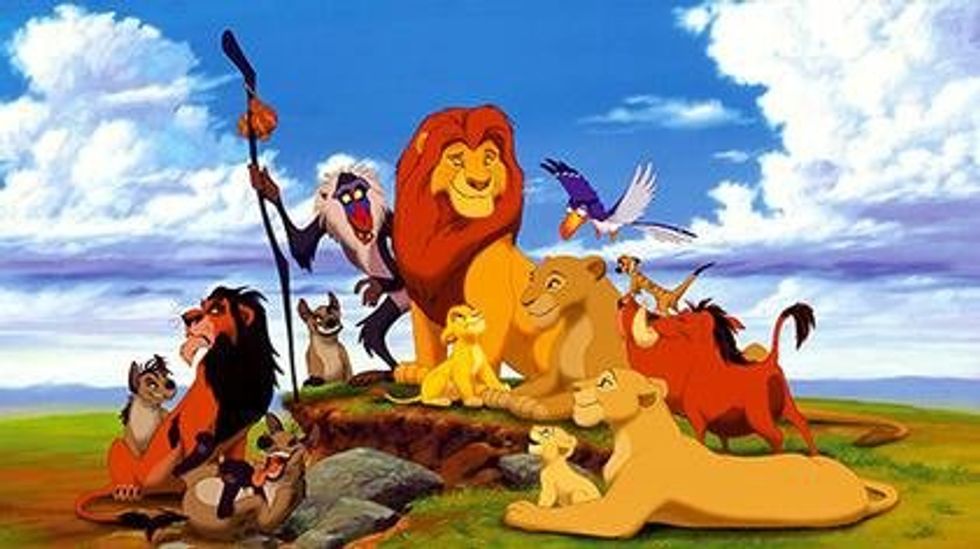
"The Lion King," known for its many musical numbers, encompasses a vast number of psychological disorders. One example of a disorder that was included in this movie was the antisocial personality disorder. The character who suffered from this is Scar. His behavior exhibits the symptoms of this; Scar is hungry for power. He also does not care how his greed affects the Pridelands. After he took over as king, the ecosystem was thrown out of sync. There was famine in the land. However, the balance was restored when Simba came back. Because Simba cared about the well-being of his kingdom and not just about himself, he was able to restore the balance.
I, for one, have come to appreciate all Disney and Pixar releases. I study the psychology of each character, which means I have to watch them over and over. I analyze the psychology down to the colors of the scenery. Subtle hints are included within the films that, when analyzed properly, can add up to more than what is seen on the surface. The beloved classics we all enjoy were designed to cater to certain audiences. The musical numbers were made for children to keep them interested. There are “adult” jokes and themes laced between the lines in order to be subtle to children, but easy to understand for the adults watching the films as well. This helps to entertain the children as well as their parents--who have to endure the movie with them.
I believe that one of the reasons why Disney characters do not have parents or their parents pass away is because Walt Disney lost his mother. This shows that the psychology of the writers also plays an effect on the production of said movies. The reoccurring theme is carried on even after Walt Disney passed away. This “tradition," caused by tragedy in his life, is still present in 2016.
Other examples of psychological disorders that Disney characters suffer from are present in the animated series "Winnie The Pooh." It is speculated that eating disorders, anxiety, depression, ADHD, schizophrenia and OCD plague these beloved characters. The "beyond the surface" approach I take when watching a Disney movie or television series helps me to exercise the skills I'm learning while studying psychology. The next time you take a trip to see a Disney movie, make sure to pay attention to the psychology behind the cute faces.