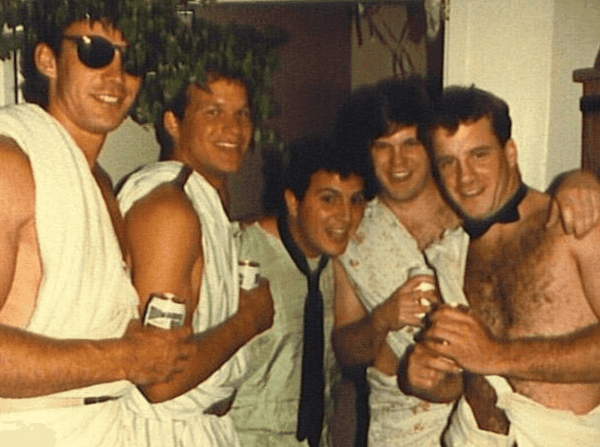
Recently in my women’s studies class, my professor quoted the lyrics of Ani DiFranco and told us that “privilege is a headache that you don’t know you don’t have.” I think that privilege is something so prevalent and so widely accepted on a college campus that while that are those that are in the practice of waking up everyday and reminding themselves to be grateful, for the many of us who are privileged enough to never have to handle the bill for our tuition, our housing, our meal plans, we don’t stop to consider how lucky we are hardly enough.
It’s easy to appreciate a sunny day, to feel the swelling of our hearts when we’re rolling in laughter with our best friends. It doesn’t come so naturally to be conscious of the fact that there is a headache that many people are constantly suffering from that we do not have, because we’ve never experienced such a headache. If you’ve been privileged enough to have grown up in a middle class family with nice cars, vacations, annual back-to-school shopping trips, not being able to remember when you didn’t own a passport, going out to eat on weekends, getting to play sports and take ballet lessons, then there is a headache you don’t know you don’t have. I’m sure you are aware, just as I am, that there are those in this country that could not fathom living like this, while it just feels so normal.
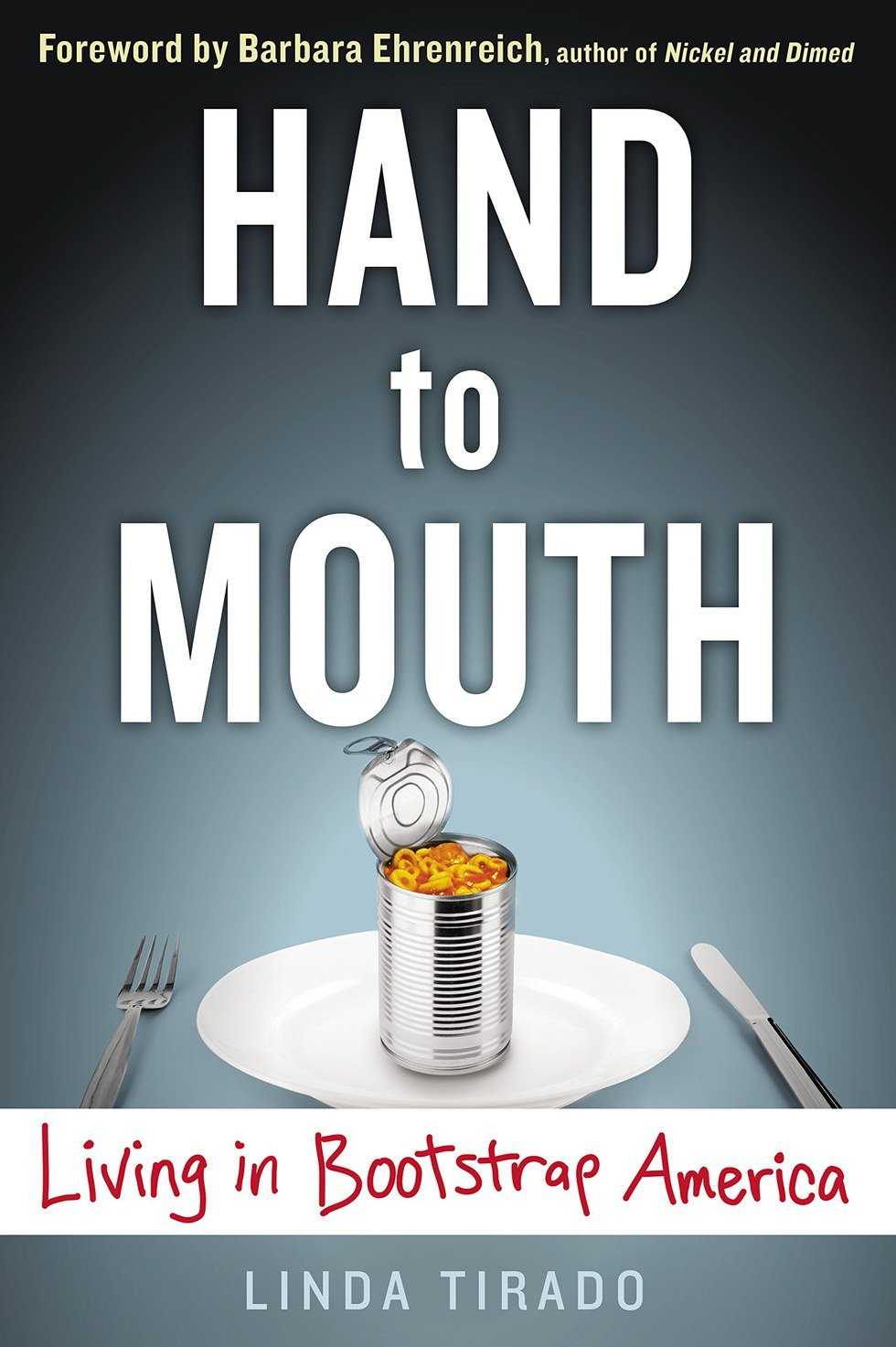
One day, we had the opportunity to skype with Linda Tirado, author of the book, “Hand to Mouth,” a memoir of her struggles with poverty. What I got out of this conversation was the realization that there are so many people who aren’t nearly as lucky as I, and the first step to making this country we live in a better place for everyone, is acknowledging this. Acknowledging that even though you can’t control your luck, which family you are born into and the base level of opportunity you begin at, you possess the ability to be empathetic, to be grateful, to put things in perspective and try to understand people who do not live the same way you do.
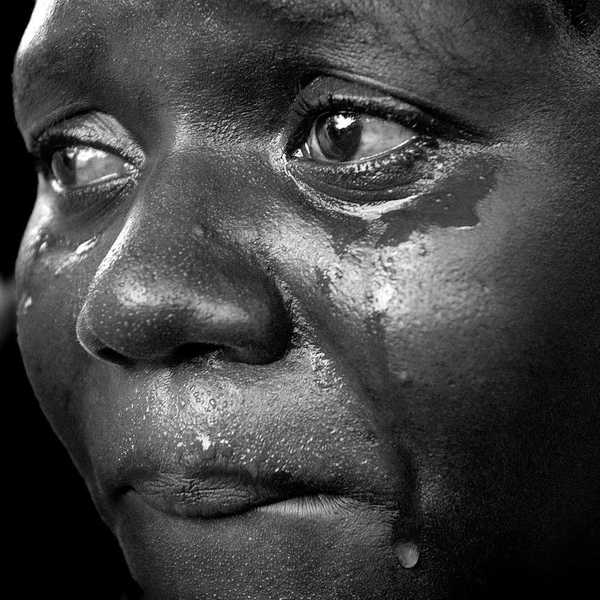
I don’t go to church; my parents told me from an early age that you do not need to be in sacred place to pray or feel grateful and blessed. Whether you do or you don’t attend a weekly service in a sacred place where one is supposed to acknowledge one’s bountiful existence and show gratitude, I think that something everyone should do is emulate these feelings in the way you go about your daily life. Exhibit gratitude in your attitude and in the way you treat your friends, family, and most importantly, strangers. Because we truly do not know what someone is going through or where they have been. Whether they depend on food stamps to feed their family or work three jobs a week just to make ends meet. Instead of making judgments, show empathy. This is the first step. Appreciate the small things in your life that seem so normal, things we claim we couldn’t go without while so many do without a choice. Be active in this, not lazy and careless. Maybe then our generation will be on our way to making this place we inhabit a better, less dog-eat-dog and gentler place for all.