TW: rape, assault, violence against women.
By now, most anyone who pays attention to the news has heard about the rape committed by Brock Turner, a first-year student at Stanford. Although the incident occurred more than a year ago, media attention only began focusing on it last week, when Turner was sentenced to six months with parole in a county jail instead of the minimum six years in state prison that was recommended. Even though Turner was found guilty by a jury of three felonies, even though two eyewitnesses saw the rape occur and chased him down, the trial was long and arduous, and the verdict lass than satisfying. The judge who made the decision, nudged along by letters from Turner's father and friends, said that Turner was not a danger to others and that a long stay in prison would have an adverse effect on him.
(That judge was reelected last week, by the way. There's already a petition to recall him.)
The victim, although she remains anonymous, confronted Turner directly in court, where she addressed his unwillingness to admit his crime and his expectation that he would be able to escape blame. (You can read her powerful letter to her attacker here.) However, it is clear, both from Turner's statement and his actions since the trial, that he isn't willing to listen. His toxic combination of privilege and arrogance—the dangerous entitlement that allowed him to sexually assault a woman, claim it was consensual nearly a year after the fact, and blame her consumption of alcohol rather than his own violent behavior—has not abated. And with such a short stay in prison, and so few consequences, it seems unlikely that it ever will.
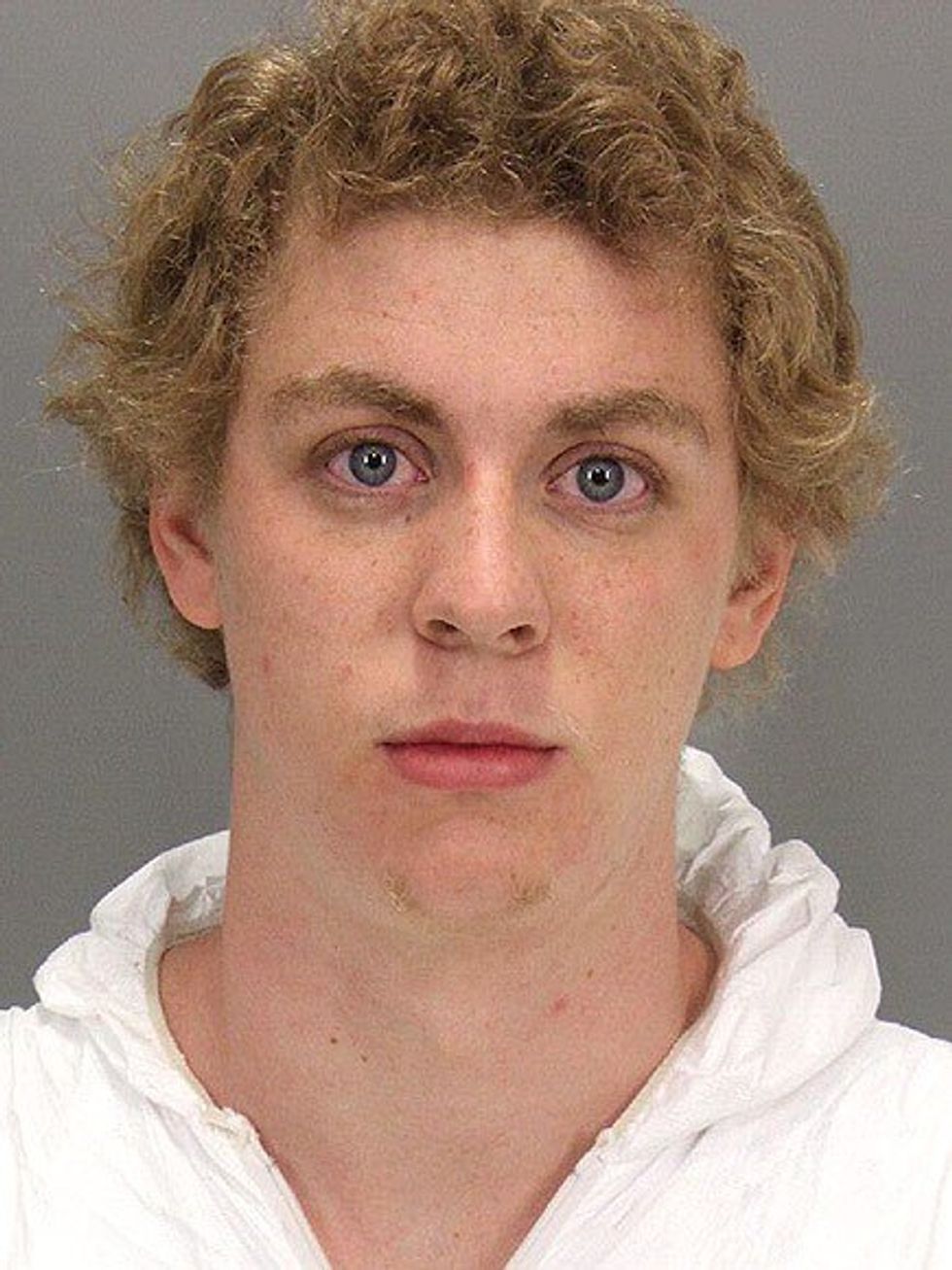
Privilege is the ability to shape a narrative and have people believe you instead of the victim, even when there are two eyewitnesses who can counter your story. Privilege is having your school photo at the heading of an article about the violent rape you committed, rather than your mugshot. Privilege is countless media outlets placing the brave, thoughtful statement of the woman you raped and then denied raping in the third paragraph of their story, right after a summary of your swimming times.
Privilege is getting a six-month prison sentence, one that might be shortened to three with good behavior, when countless non-violent drug offenders, many of them low-income, many of them POC (people of color), have been in jail for much longer.
The intersections of male privilege, class privilege and white privilege in this case are staggering, especially when you consider the attention this case got: until last week, not much, most of it sympathetic to the perpetrator. The victim's narrative, until she came out with her statement, was completely erased. The sad truth is, even now that she has, Turner's sentence is still woefully short. She has been told that her safety and mental and physical health matter less than the opportunities of a rich white boy and his ability—protected by wealth, sex and skin color—to do whatever he wants to whomever he wants.
This man is a swimmer, a (former) Stanford student and a terrible human being. But first and foremost, he is a rapist. He refuses to acknowledge that fact, and as the reactions of certain community members, family and judges show, it's a lot easier for some to believe the narrative that Brock's father put forward: that he's a good kid who was waylaid by "20 minutes of action."
Not more truthful, but certainly easier.