
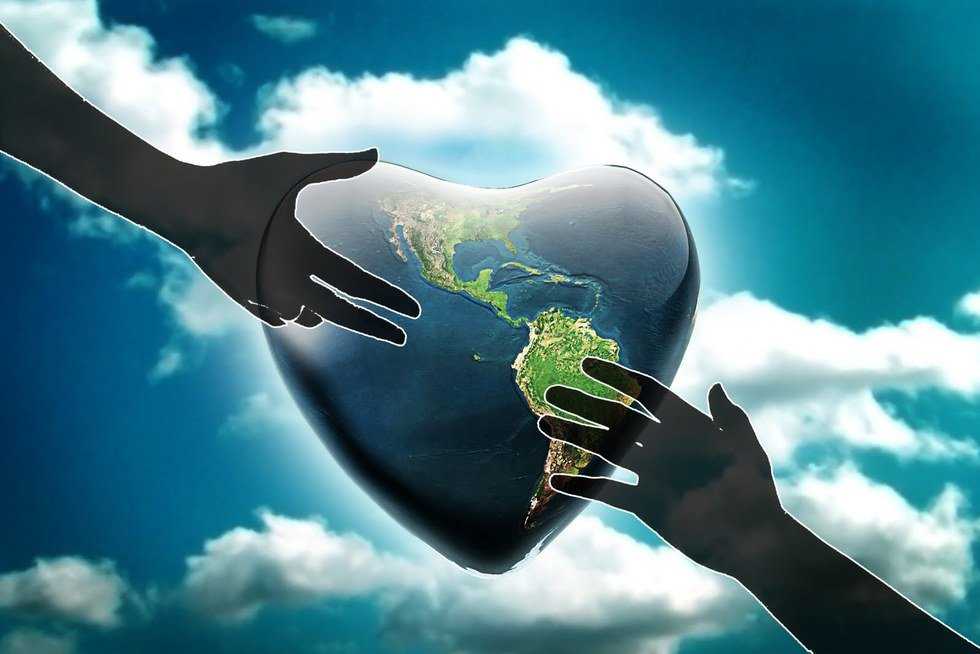
Whenever I learn about a particularly violent or tragic event, I tend to feel it on a very deep level. I find it very difficult to displace myself from such events; I feel like I must share in the pain, or it feels like not enough people care about those who were lost. So, these past couple of months have been especially painful. This is probably not factually the case, but it seems like there have been even more violent tragedies recently: the shooting at the Oregon community college (which is not too far from my own school), the terrible attacks in Paris, Beirut, Kenya, and other places, and, this past week, the San Bernardino shooting.
Shootings in this country have always made me feel incredibly deep pain, even though I have not personally lost anyone. I think that it’s mainly because I am often very close in age to the victims, as such shootings often occur on school campuses, in classrooms, or in places I frequent with friends, like movie theaters. Every time I see a new shooting pop up in my news feed, I have to sit and process it. Sometimes I sit for at least two hours, trying to restore some good feeling to balance the fresh batch of despair that has just seeped inside. I think about how such a thing might have happened. I think about what I might have done in that situation. If I would have survived. If I would have been brave. I can’t help but think these things, because in these cases, the same thing could happen to me so easily.
One of the things I have always found the most baffling in humanity is the fact that some people just cannot seem to grasp the concept of compassion—of empathy, of walking in other people’s shoes. Most of us learn some variation of the phrase when we’re little—“What would it feel like if someone did that to you?”—but how many of us actually retain that on a deep, meaningful level? Sometimes it's very small things that reveal this lack of compassion, like peers who don’t think of inviting the more lonely person with fewer friends to that birthday party, but other times it manifests itself on a larger and more disturbing scale, like those who never seemed to comprehend the gravity of the tragedy that occurred in Newtown, Connecticut three years ago:
Twenty little kindergartners were shot in cold blood as if they were in a war zone and not in their elementary school classrooms, and people still declared that their absolute right to own any gun was the most important issue. Congress people somehow shoved the humanity of these dead children away from them enough to make their reelection hopes top priority. While they occupied their thoughts with the second amendment and the risk of derailing a high-paying career, some of us, including myself, thought about the fact that many of those children would have had presents under the Christmas tree, waiting for them. Did the parents unwrap those presents and keep them? Give them away? Or just store them somewhere, still wrapped, so that they wouldn’t have to remember? I didn’t know, but I thought about it. Because I had to feel with them, since so many others weren’t bothering.
Compassion, I believe, is one of the most powerful forces we have against hatred and violence. Love is important, yes, but compassion is the underrated practice that is actually the key to everything good about humanity. I can’t soak in the pain of everyone in the world. I reach a point where I have to close that window on my computer and not click on that headline, or my soul will take on more than it can handle. But I can still care, and I can also care about those in my immediate community. I can practice compassion whenever I get the chance. We can all do that. It takes effort, but it feels beautiful.
I firmly believe that if we all consciously chose to practice more compassion toward our family members, friends, classmates, teachers, professors, strangers, etc., we would veer more toward the good part of human nature. On an individual level, I think that this is actually the best way to deal with all of the world’s violence. I read a wonderful article the other day, which basically said that all we can do is try to be the best person we can be, and to feel like we are actively working toward love and harmony with those we come into contact with. That is the best way to maintain a sense of happiness and goodness in your own life.
So, I challenge you. Smile at that strangely dressed man walking past you, even though you may think you’d never interact with someone who looks like that, and there’s a good chance that he’ll smile back. He may even compliment your earrings. Try your very best to consider each person for who they are in their actions toward you, rather than who they have been constructed to be by some broad stereotype established for you by others. Think about why that girl in your class might seem standoffish and cold; it’s most likely not because she’s an inherently mean person. Talk to her. She will respond.
These may seem like such small things, but honestly, the small, good things really do go the longest way. I often feel very sad over the dearth of goodness in humanity, but always, always, I return to compassion.