
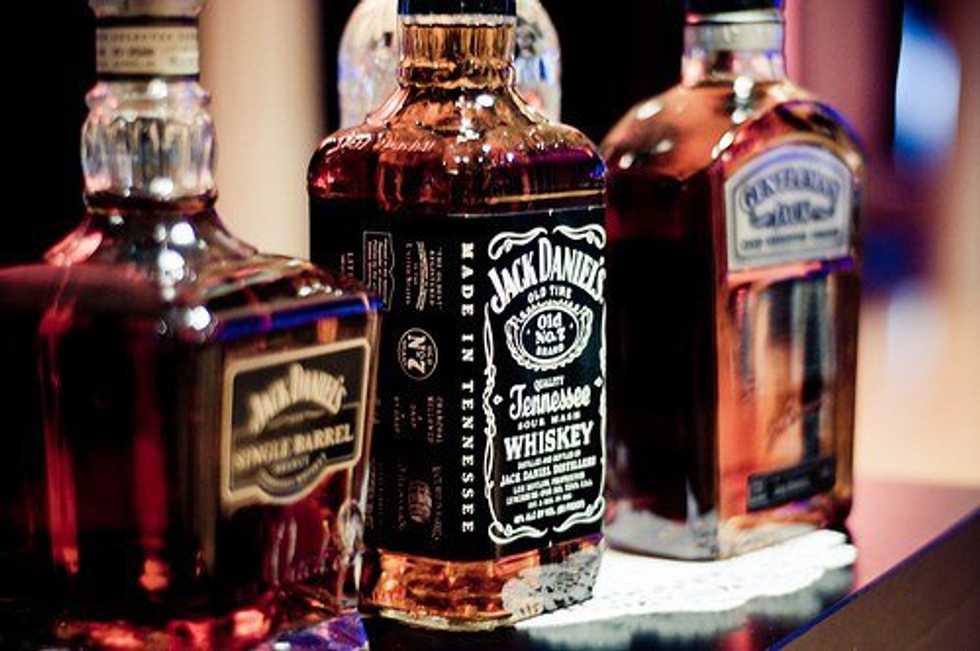
As I was driving home from college, I heard a news report that I thought couldn't possibly be right. But I looked it up, and there it was. Now, in New York City, it is illegal for a bartender to stop a pregnant woman from drinking. The reason? It's an "unlawful discriminatory decision," according to the new guidelines. This is politically correct to a T, but is it ethical?
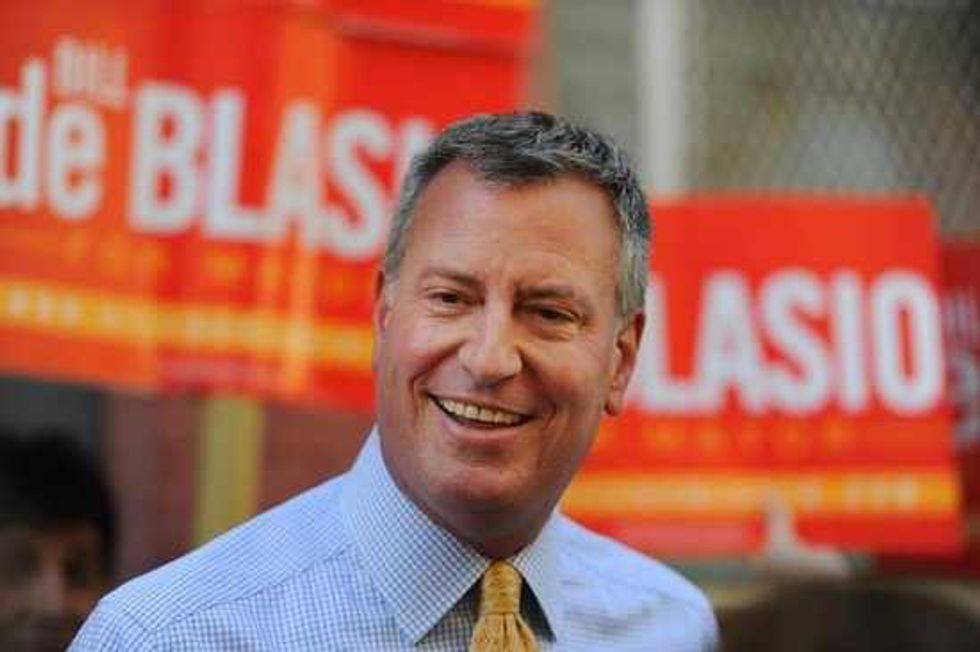
I was originally going to talk about city mayor Bill De Blasio's crusade against the exactly three Chick-Fil-A restaurants in New York City, but that can wait. This takes precedence. It's a very touchy subject but this has to be addressed, so I'm ready to take the flak for writing about something serious as opposed to Mayor Bill's hardened determination to confront the great threat to New York posed by politically incorrect chicken.
First, here's some background. Laws are already on the books barring discrimination against a pregnant woman who wants to work at a bar, and there are also mandatory warning signs in establishments which serve alcohol that drinking while pregnant can cause birth defects, which are great measures that preserve equality in the workplace and help warn people about the dangers of alcohol while pregnant. With the release of a new set of guidelines from New York City's Human Rights Commission, it's taken a step further to include actual drinking while pregnant as a mandatory provision of the host, regardless of their ethics or conscientious objection.
The argument in favor from these new guidelines is as follows:
Judgments and stereotypes about how pregnant individuals should behave, their physical capabilities and what is or is not healthy for a fetus are pervasive in our society and cannot be used as pretext for unlawful discriminatory decisions.
It's not without merit, but neither is this statement from the Centers for Disease Control:
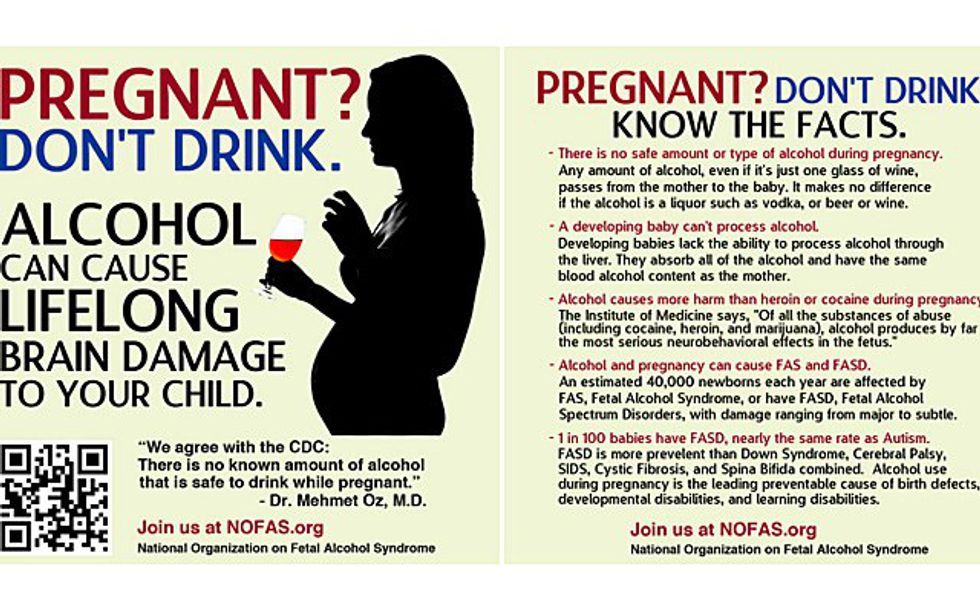
There is no known safe amount of alcohol use during pregnancy or while trying to get pregnant. There is also no safe time during pregnancy to drink. All types of alcohol are equally harmful, including all wines and beer. When a pregnant woman drinks alcohol, so does her baby.
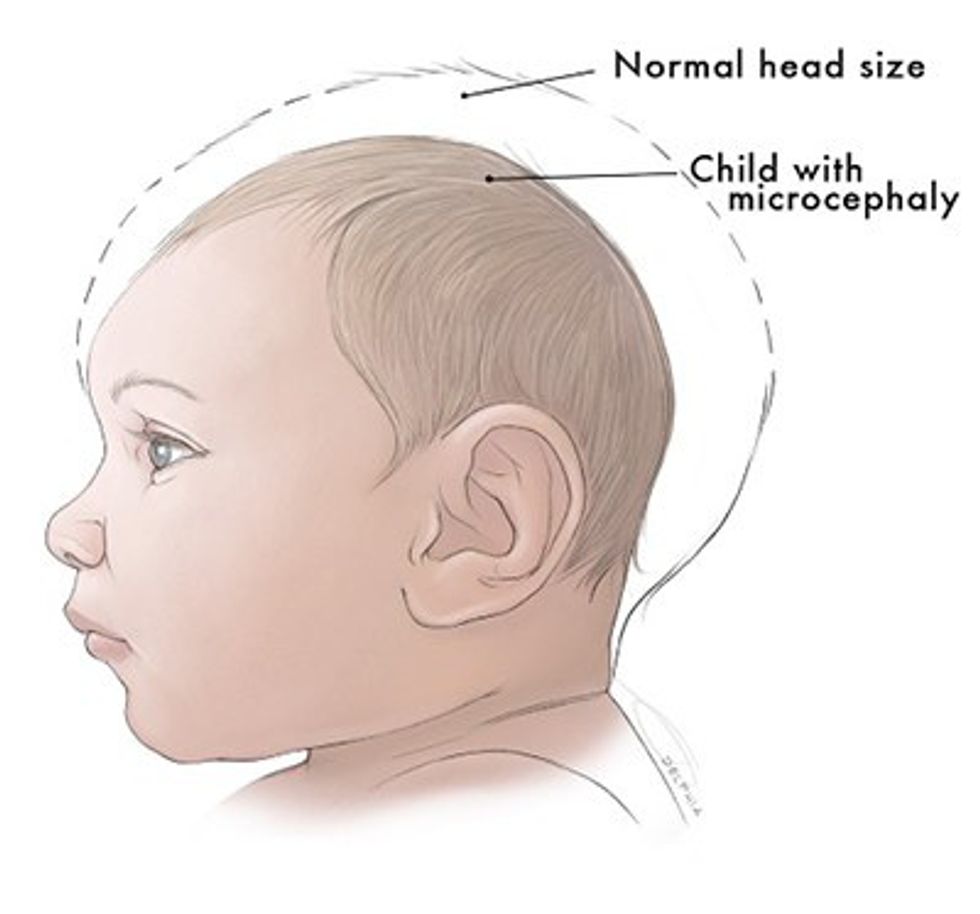
Alcohol exposure is the number one recognizable cause of mental impairment in babies. This is why mandatory warnings are put up in every store in New York City. The CDC is very clear: drinking alcohol during pregnancy, of any amount, puts a baby at risk for things such as microcephaly (the signature symptom of the Zika virus in infants), poor coordination, difficulty in school, impaired memory, speech delays, vision problems and various bone, heart and kidney impairments.
For life.
That's without even mentioning Fetal Alcohol Syndrome, which affects hundreds of thousands of Americans. This single action can condemn a human being to a life of impaired quality, and that person's rights have not been considered at all in this case.
 This could be seen as an analogous pitched debate about abortion, which this draws obvious parallels to, but it's impossible to use the ethical argument that a fetus isn't a human. Unlike the abortion case, which is a debate about whether a human life to be ended has actually begun yet, this argument is in favor of damaging a human life that definitely will exist with the same rights and dignities as anyone else. Birth defects and quality of life are sometimes even used as a defense of abortion, which is seen as a way to prevent a person living a life of suffering. This is a case where someone might be prevented from putting a baby (and the mother for that matter) in that situation, and New York City is saying that's not OK.
The "judgments and stereotypes" referred to by the Human Rights Commission aren't just someone's opinions. They're solid facts, validated by the CDC and by medical science. The American College of Obstetricians and Gynecologists, the National Institute of Health and the American Academy of Pediatrics stand in solidarity with the findings. There is no evidence that any amount of alcohol to drink is "safe," which surprisingly isn't even an argument that the Human Rights Commission discusses at all.
The most confusing part of this policy is that social host laws exist to hold servers accountable for the actions of their clients who drink, especially in cases of disability, excessive damages or death. These are meant to target drunk drivers and underage drinkers, but the potential scenario is obvious. If a baby is born with birth defects as the result of a host knowingly serving a pregnant mother alcohol, are they liable for legal damages? On the other hand, if a host gives a warning about the dangers of alcohol to a pregnant customer before serving them, is that discriminatory? Are they now liable for legal damages as well? There's a decent case in the spirit of the law that would answer "yes" in both scenarios.
Before you can argue that parenting is always the parent's choice, consider that laws exist requiring school teachers, under penalty of law, to report cases of child abuse or neglect if they even "suspect or have reason to believe," without evidence that something is wrong. That's even in cases of neglect! If the logic follows, and a parent is doing something that could destroy the life of their child, then yes, absolutely, you should try to stop them—and it's not "discriminatory" by any means. Parenting is a parent's choice, but it's not immoral and completely ethical for another person to step in if a child is in immediate danger. It's not worth it to let a child's life be ruined because of the fear of being politically incorrect.
This new policy puts New York City hosts under legal duress, but more importantly it puts the well-being of any future child at risk. The CDC ends it page on Fetal Alcohol Spectrum Disorders with an exclamation:
If you are pregnant or trying to get pregnant and cannot stop drinking, get help!
I'd like to ask the city Human Rights Commission to ask themselves a question: is political correctness important enough that it's worth subverting human rights to uphold it?