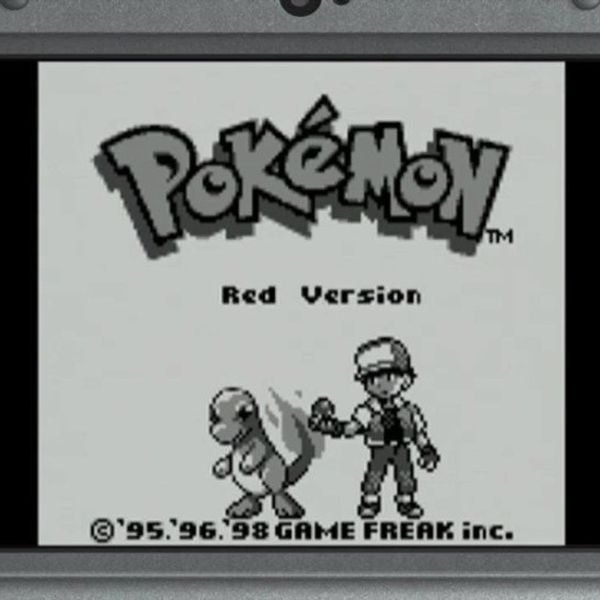
Gamefreak, the creators of the Pokemon video game franchise, have established the Pokemon universe within an Earth not unlike our own, with locations and regions similar to those of the real world. For example, both the Kanto and Johto regions of Generations I and II (respectively) are based on the real-life Japanese prefectures of the same names. In Pokemon's seventh iteration, we are transported into the world of the Alola region--four islands connected through shared culture, indigenous Pokemon, and a very unique challenge for only the toughest of trainers.
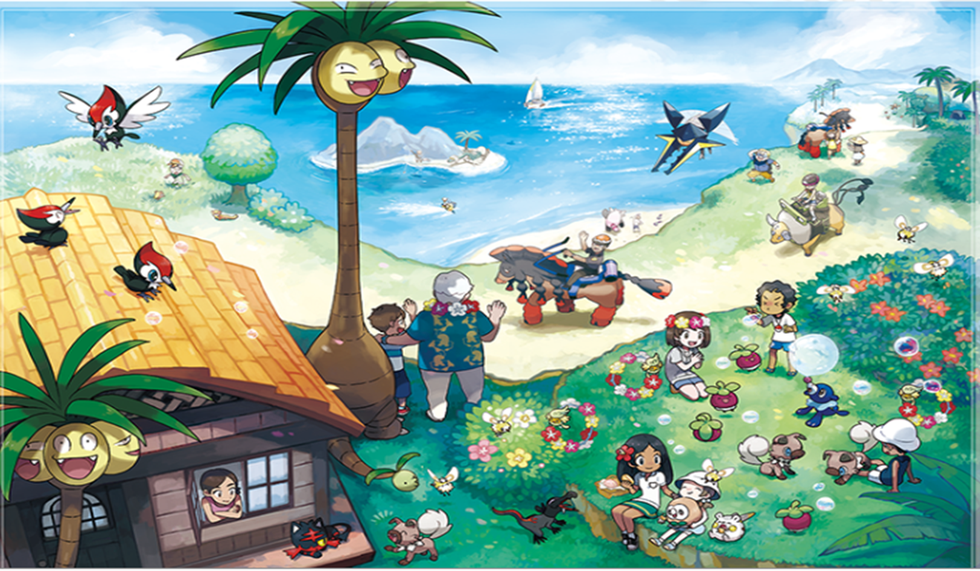
The Alola region is based heavily on Pacific Islander and Polynesian culture. This can be seen from the locals, who greet you with a joyous "Alola!" The region is rich in its diversity; several Pokemon can be found with new forms, berries fall off trees by the half dozen, and the locals come in all shades, shapes, and sizes. When your rival, Hau, greets you with "Howzzit?" or the Alolan Professor Kukui calls you "cousin", it is very reminiscent of the unique manner of speech found in several island variants of pidgin-english. When you roam through the streets of the coastal towns, you can feel the life and authenticity of a brand new yet simultaneously familiar Pokemon world.
The ability to customize the appearance of your protagonist is a returning feature; however, being able to pick a dark-skinned character instead of being forced to choose between two fairer skinned options is a very important feature for all Pokemon fans. Given that its fanbase is global, the creators of Pokemon want to ensure that all players feel like they can be immersed in this amazing experience.
Though some fans have had two decades to hone their battling skills and have captured every Pokemon under the Sun (or Moon!) to become veteran pokemon masters, this generation takes the extra time to welcome newcomers in addition to returning players. Throughout the entire first act of the game, which all takes place on Island 1, there are several key characters who generously provide you with extra potions, poke balls, items, and hints. Some of the aforementioned veterans may find the initial slow pace a bit of a drag; however, I invite those reluctant few to take a page from the book from the Alola way and take it easy.
Sun and Moon rewards players willing to patiently search every nook and cranny of each area for valuable rare items and hidden caves. Any player interested in the competitive metagame should quickly acclimate themselves to the ally function in wild battles. Occasionally, weakened Pokemon will call for help in the form of a second wild Pokemon. If you want rare pokemon with even rarer abilities, then you had better be ready for long drawn out battles with dozens of wild pokemon.
For those familiar with X&Y's Pokemon Amie feature, which allowed trainers to interact with their pokemon much like a virtual pet, you will be happy to see that this feature has returned as well in the form of Pokemon Refresh. This feature allows those with patience and a loving heart to treat their pokemon's ailments without using an item, groom them after battles, and raise their happiness with Poke Beans. Certain Pokemon, such as the adorable Rock-type puppet Rockruff, will only evolve into their stronger form after their trainer has earned enough affection points through interacting with them in Pokemon Refresh.
The interaction does not stop there, as the Nintendo 3DS with WiFi capabilities allows players across the globe to battle, trade, and interact in each other's worlds. Pokemon and Gamefreak are also inviting players to complete global missions. The first mission, announced just last week, is a worldwide Pokemon catching event with a goal of 100 million pokemon!
Having been a Pokemaniac myself since the tender age of 4, I have watched this series grow along with me. Though constantly "evolving" and adding new features, at its core Pokemon Sun and Moon stays firmly grounded in its roots: connecting players virtually to new companions, both Pokemon and human alike.