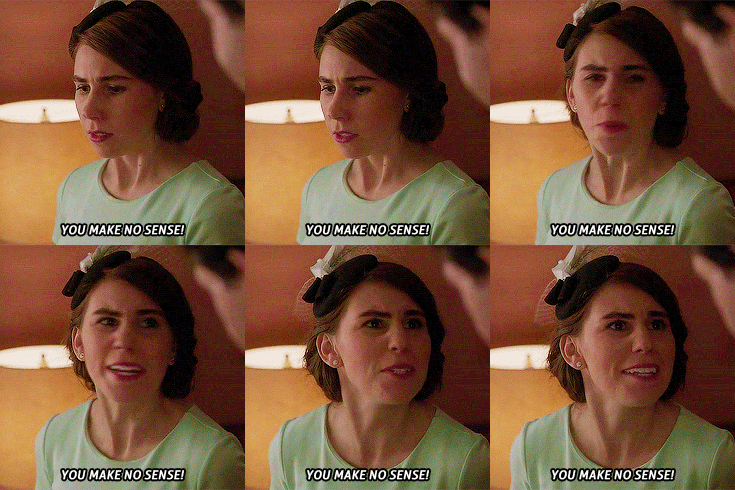

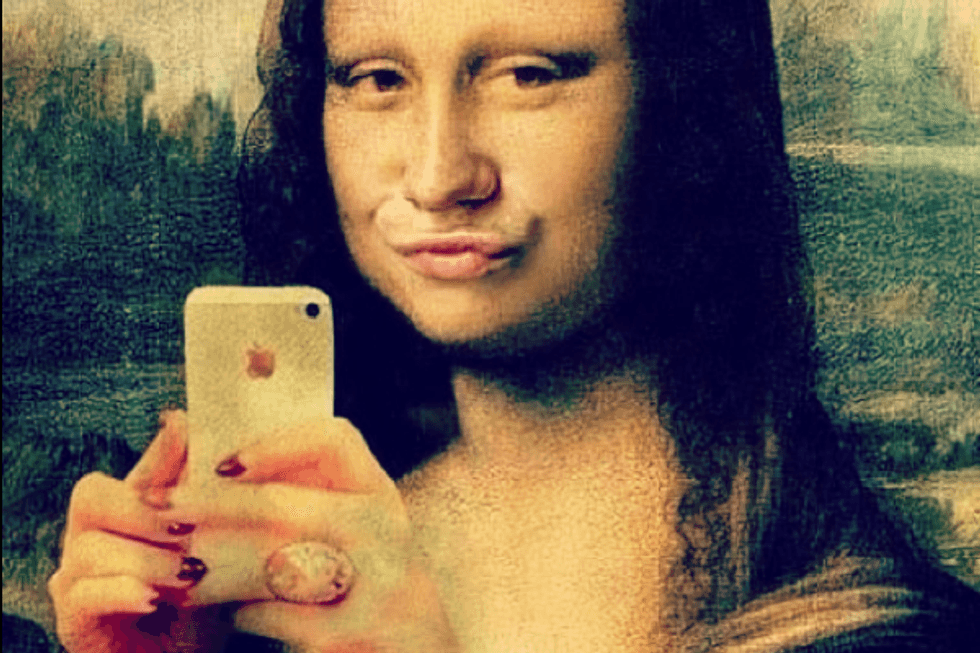
Subtweeting: We are all guilty of subtweeting at least once since signing up for Twitter. Subtweeting is the art of tweeting about someone or someone’s behavior without actually referencing the person’s name. Examples of subtweets include: "What kind of person does that,” or “You disappoint me every time.” While no good can come from a subtweet, people still tweet them out daily (or even hourly). Subtweets are a perfect example of how our generation deals with conflict (AKA, hiding behind our phones and avoiding face-to-face discussions). In truth, two things can come from a subtweet: 1) The person whose behavior prompted the subtweet will realize it’s about them and will become annoyed or 2) The person will be none the wiser and will continue on with their day. Despite the stupidity of the act of subtweeting, it still can feel like a release of anger…even if it doesn’t really accomplish anything.

Excessively long Snapchat stories: Snapchat stories have been a welcome addition to the Snapchat app for many people. Snapchat stories allow us to share little tidbits of our day without having to select specific people to send these pictures/videos. However, most people have taken Snapchat stories a bit too far…namely during nights out. Whether taking a picture of your boring drink, taking a video of the crowded, dark bar, or just loving how you look and having the desire to take 500 selfies, it is very easy for these stories to spin out of control. Before you know it, your story is 108 seconds of complete and utter nonsense. To make matters worse, you have to be confronted with this disaster in the morning and get a first-hand look at all the people who viewed it.

Asking friends to like our posts: A few years ago, the only “Like” that existed was the actual word. Now, the word “like” is associated with people paying attention to your social media posts. If a person doesn’t get enough "likes," they can feel inadequate and embarrassed. We are all guilty of posting a tweet or Instagram and feeling as if the post isn’t getting the attention we thought it would. Soon, panic sets in and we find ourselves shooting a text to our friends that reads “Hey…sorry to be annoying but can you like my Instagram?!” In reality, these “likes” mean absolutely nothing, but our society has made it feel like they do. Thus, we feel the need to bother our friends to ensure that our Instagram hits magic number 11 or that we at least get one retweet (even if we have to ask someone to do it). When will we learn?! We have to remind ourselves that people are just as annoyed with us when we ask for likes as we are with them for asking for likes.
Profile stalking: We've all "creeped" on someone's profile. Whether it's a cute stranger we encounter while out, a friend of a friend of a friend, or an ex, we have all Internet stalked a person's profile. We have to remember that no good can from this. If you are stalking an ex, you're bound to see something that you don't like (OMG HE FRIENDED HER! HOW DISRESPECTFUL!). Also, in any of the scenarios listed above, you are at risk of liking a person's post from ages ago. Ever liked a person's Instagram from 72 WEEKS PRIOR?! Try bouncing back from that one.

Communicating through Emojis: As fun as Emojis can be, we are all getting a little too comfortable using them in our texting/social media conversations. As if miscommunication wasn’t easy enough with texting, now we have to decipher different faces. For all we know, an Emoji you think means sarcasm could come off as an annoyed face to someone else. Plus, there are still about 800 Emojis that no one understands anyway. Let’s use our words, people!