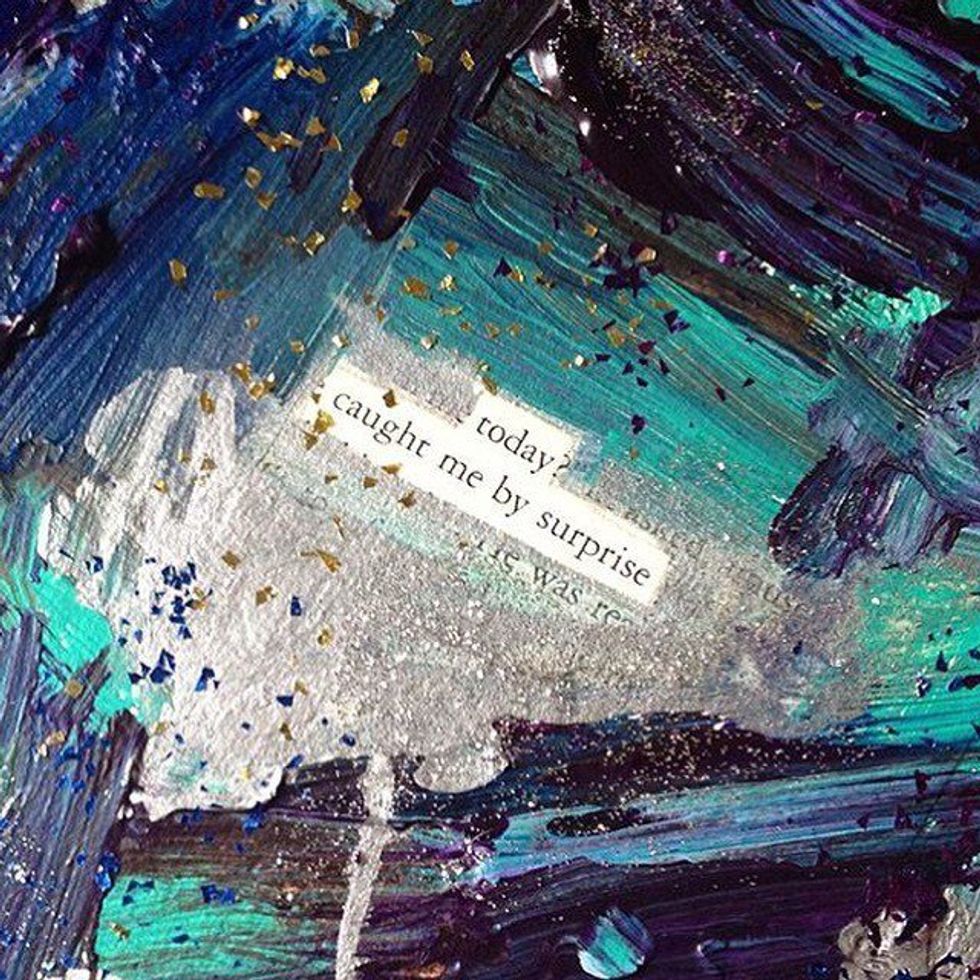
Call me cliché, but poetry is one of those things that becomes a part of you and then never leaves you. Ever since I was very young, I have had a very deep and personal relationship with poetry. In fifth grade, I wrote poems during my free time at school, and was nominated to attend a young writer's conference where I sat through workshops and shared my own work. In my high school creative writing classes, poetry was always my favorite unit. Even in college, after taking an introductory creative writing class that focused on poetry and receiving positive feedback and encouragement from my professor, I still refused to identify as a serious "poet." I was skeptical of my own talents and aware of the risks that come with pouring time and energy into an art form that has practically no market nowadays; therefore, I continued to view poetry as an occasional side pursuit.
Then the sophomore slump hit. Hard. I needed an escape, one that would allow me to be open and creative and fluid in my thinking. I started to write poetry not because I wanted to, but because I needed to. A compulsion to write lived inside of me, and not only was I helping myself heal, but I was also producing work that made me proud.
Fast forward one year, and I am planning to write two theses in my senior year, both of which will include my own experimentations with verse. I have shifted my course of study to allow me to channel my energies and efforts into creative writing, something that I never had the confidence or will to do previously.
I realize that poetry is not everyone's cup of tea, particularly in an era where we have so many forms of entertainment, from television to the internet and everything in between. For most people, poetry is inaccessible and archaic; however, I would like to argue just the opposite. In fact, I believe that it is the trend of modernization and technological innovation that is actually allowing poetry to be more accessible, as well as more aligned with contemporary modes of expression.
Social media has played a huge role in the spread of poetry throughout society. For example, when Twitter was first launched, people criticized the platform for its 140-character parameters. This forced concision of thought, however, is very much aligned with the process of writing poetry itself, where every word, every syllable, and every punctuation mark counts. One could argue, in fact, that all tweets are poems, or fragments of poems. In 2013, an article was published on Independent's website highlighting the "Twaiku," or the micropoetry that is taking the Twitter world by storm. Many poets seem to like the casual and immediate nature of Twitter in terms of publishing their poems, and, given the fast-paced, all-access world of social media, these types of poems seem to fit into this model quite nicely.
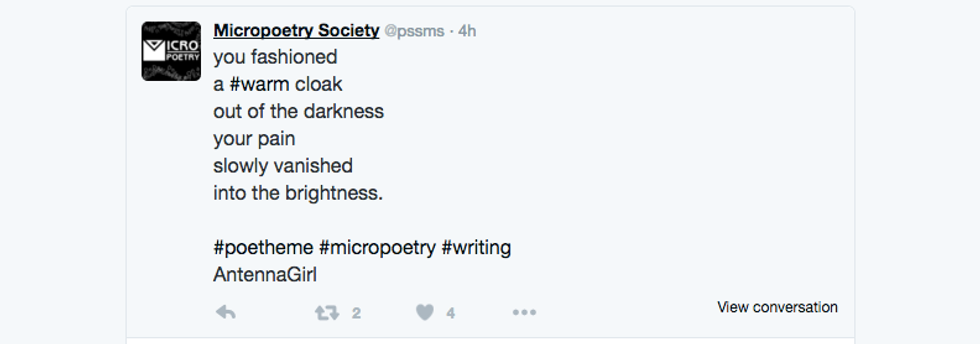
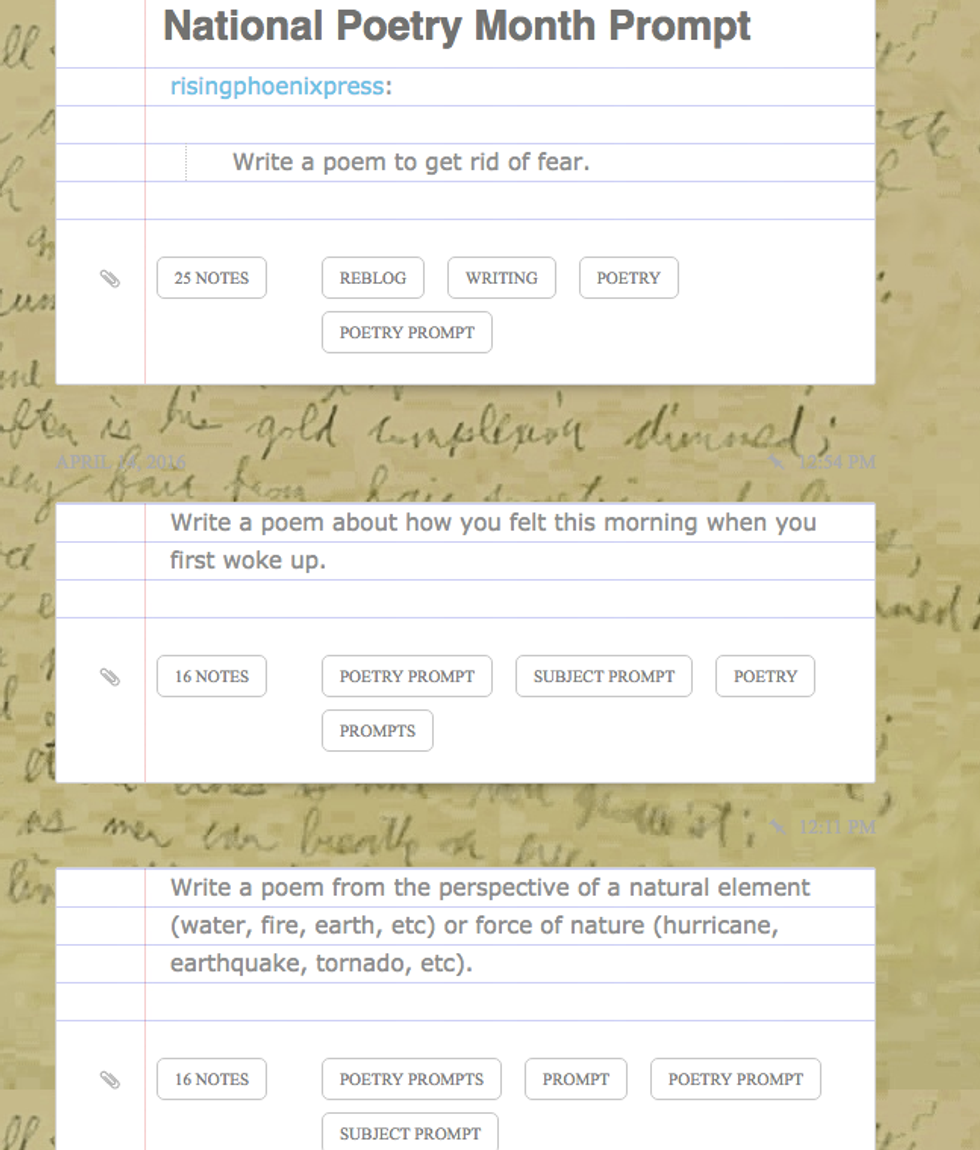
Poets have been utilizing other social media platforms to showcase their poetry as well. Many poets, for example, have Instagram accounts dedicated solely to their poems, their accounts a catalogue of images filled with words. Pinterest is another image-driven platform that is successfully able to circulate poems in a more visual way. Additionally, Tumblr has been a steady contributor to the rise in a more casual mode of sharing poetry, not only by giving poets a place to publish their work, but also by creating communities for poets to aid in conversations about the art itself. Poetry Prompts, for example, is a blog dedicated specifically to sharing prompts for poems and to help inspire poets. Even YouTube has played an essential role in popularizing poetry; for instance, Button Poetry is a channel that showcases various spoken word and slam performances from across the country.
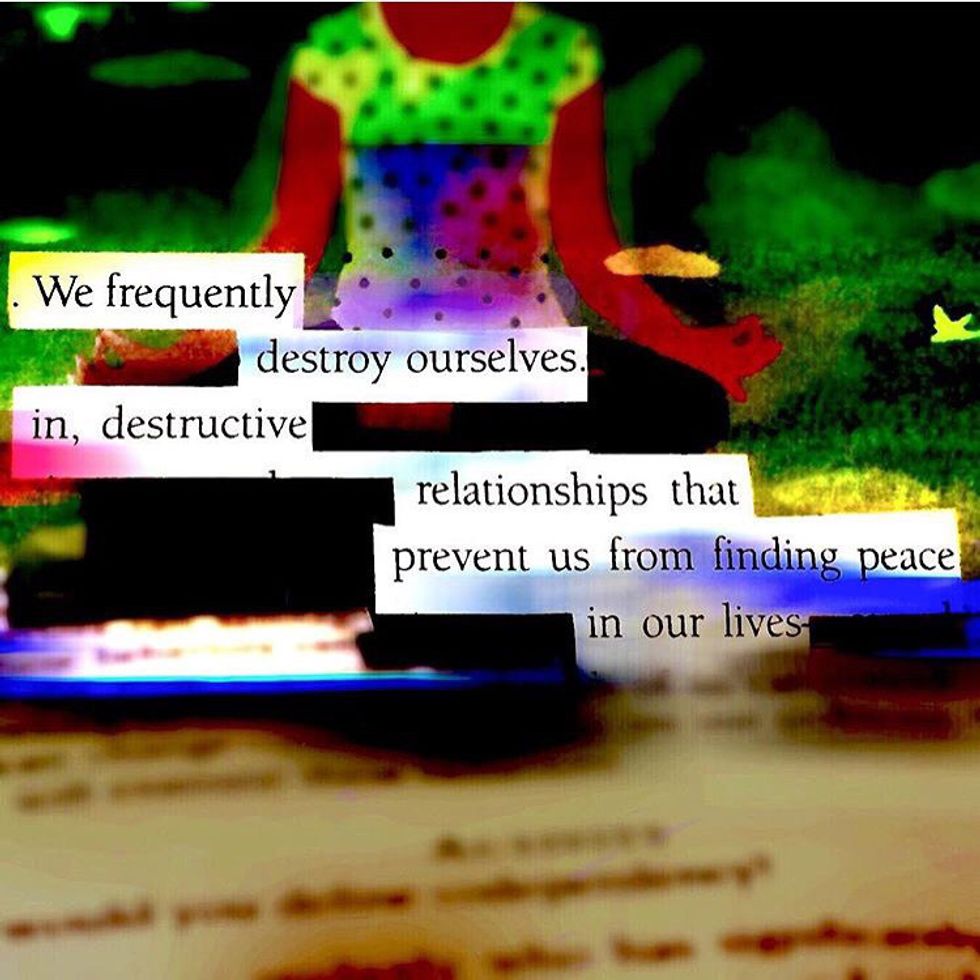
Social media and online publications also play an important role in spreading new approaches to poetic forms. The black-out poem, for example, first popularized by Austin Kleon, has been very successful on sites such as Tumblr and Pinterest. More and more poets are experimenting with incorporating image into their poems, or even using hypertext and other digital media to communicate through verse.
Poetry is even beginning to move beyond the page itself and into greater spaces, from the streets to billboards. Scottish poet Robert Montgomery was recently showcased by The Guardian for his public poetry that is bold both visually and semantically.

A common thread that I find running through these new innovations, both in the form of the poems themselves and in the ways in which the poems are being showcased, is the brevity of the poems and their reliance on visual impact. While there is a lot of merit to longer poems with carefully crafted metric schema and rhyme patterns, there is something beautiful in a poem that is made of just a few words or is incorporated into a visual art piece, or even a street sign. Besides, perhaps we humans today need more visual and concise poetry, considering that recent studies suggest that humans now have shorter attention spans than goldfish (approximately 8 seconds!).
My main point: Give poetry a chance! Poetry is not always written in stuffy, high-register language with tight rhyme schemes about themes of courtly love (though these poems are very admirable--but that's a conversation for next time). For me personally, and for many other poets, verse is simply an extension of one's own thought, an attempt to extract one's internal musings and turn them into an external dialogue. Poetry is meant to put into words both individual and shared experiences of real people, and to stir a certain feeling in the reader. As Robert Frost once famously said, "No tears in the writer, no tears in the reader." The most important thing I take away from this quote is the idea that, in reading someone's verse, a connection is made between the writer and the reader, one that is intimate and human in the most fundamental way possible. Poetry must never die; it is essential to maintaining our sensibility as a human race. It is important that we embrace these new approaches to writing verse, otherwise we may lose the art form altogether.