
It's week five of school, and the need for caffeine has never been more real. When I wake up after my alarm, sometimes I sacrifice the homemade coffee. So starts my temptation by the ever buzzing coffee stand. My choice of a pick-me-up every day is readily available for preparation in a convenient paper or plastic cup. And if I’m really hungry, there’s always a plastic wrapped snack for me to carry. It’s such a common practice; why would I have any regrets about getting a good ‘ol frappuccino before class?
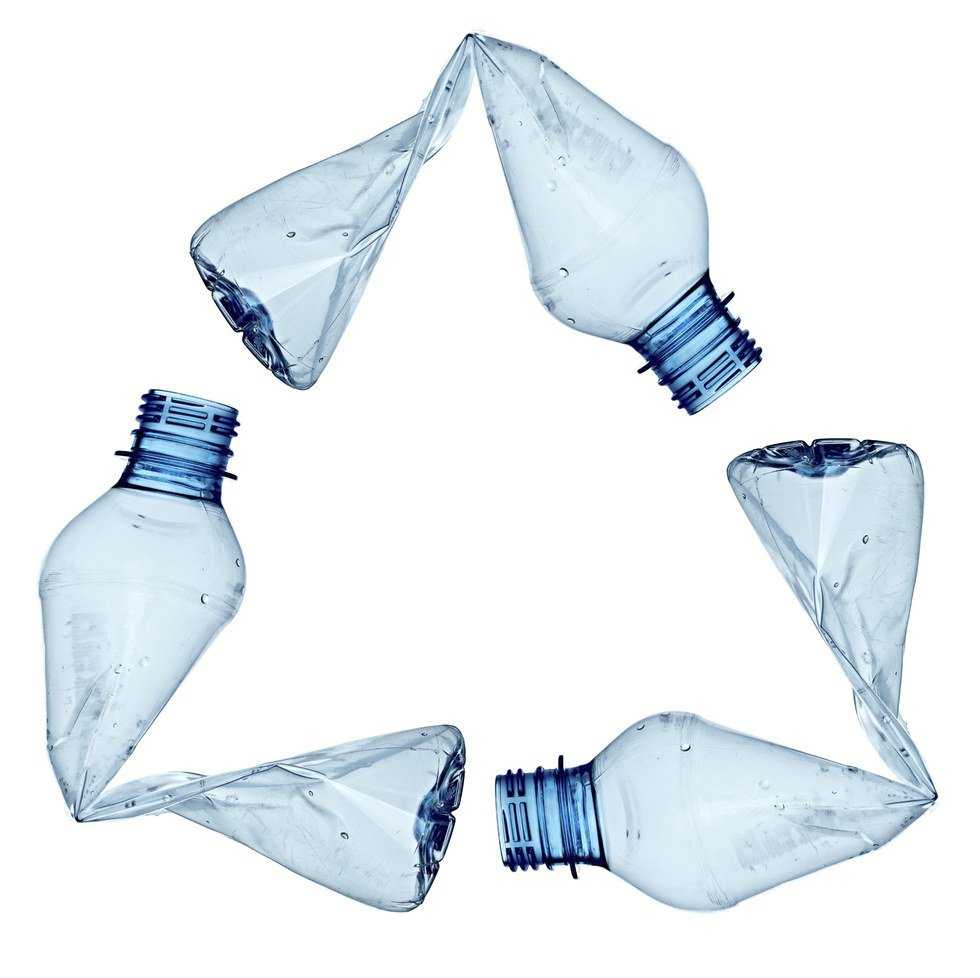
Well, the average plastic ware is used for only 12 minutes, and is then thrown away to landfills. Americans use 3 million plastic water bottles every hour. An incredible 8 million metric tons of plastic ends up in the ocean alone, including things like beverage containers, utensils, coffee stirrers, straws and lids, to go containers, microwaveable food containers, food wrappers, produce boxes and bags and plastic shopping bags. That’s just naming what I can remember off the top of my head. They never biodegrade. They end up in oceans, forests, on the streets, in the stomachs of animals and in turtle noses, and contribute to the pollutants that we intake throughout our everyday lives.
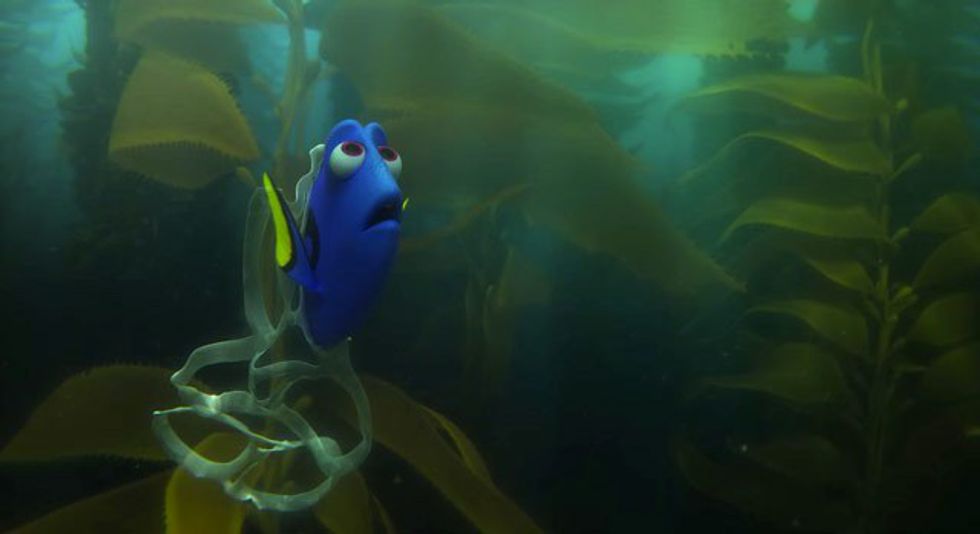
Knowing this, I find it more and more difficult to partake in the wasteful use of plastics throughout my daily life. A thermos for hot beverages and one for cold beverages has kept me plastic beverage container free at school for a few weeks, but what happens when I forget them? When I attend events with catering and there are plastic cups for water, or plastic utensils, I wish there was another way to enjoy my food. For example, there was just a free sampling event, and the trashcans were overflowing with the sample plastic cups. Of course I tried the many foods available, but really took into account how I as an individual contributed to the overflowing trash cans.
I believe that everyone, in their own way, has an opportunity to save the earth. Sure, it doesn’t happen overnight, but like any behavior change, it starts with a single thought of wanting to help. Beverages are something that everyone can relate to; even if it isn't the morning caffeine rush, maybe it's your gym electrolytes, study tea, juice, or water. Anyone can save plastic bottles to use for water a couple times and recycle them. Sparingly use disposable plastics. At dining establishments, use the metal cutlery available or reuse the plastic ones. Try to carry them with you in a canvas baggie to use multiple times. Find a nice pair of reusable utensils, straws and a favorite beverage container that can be carried with you as you travel. There are endless blogs and sustainable living resources available to take inspiration from, which is something I’ve been doing.
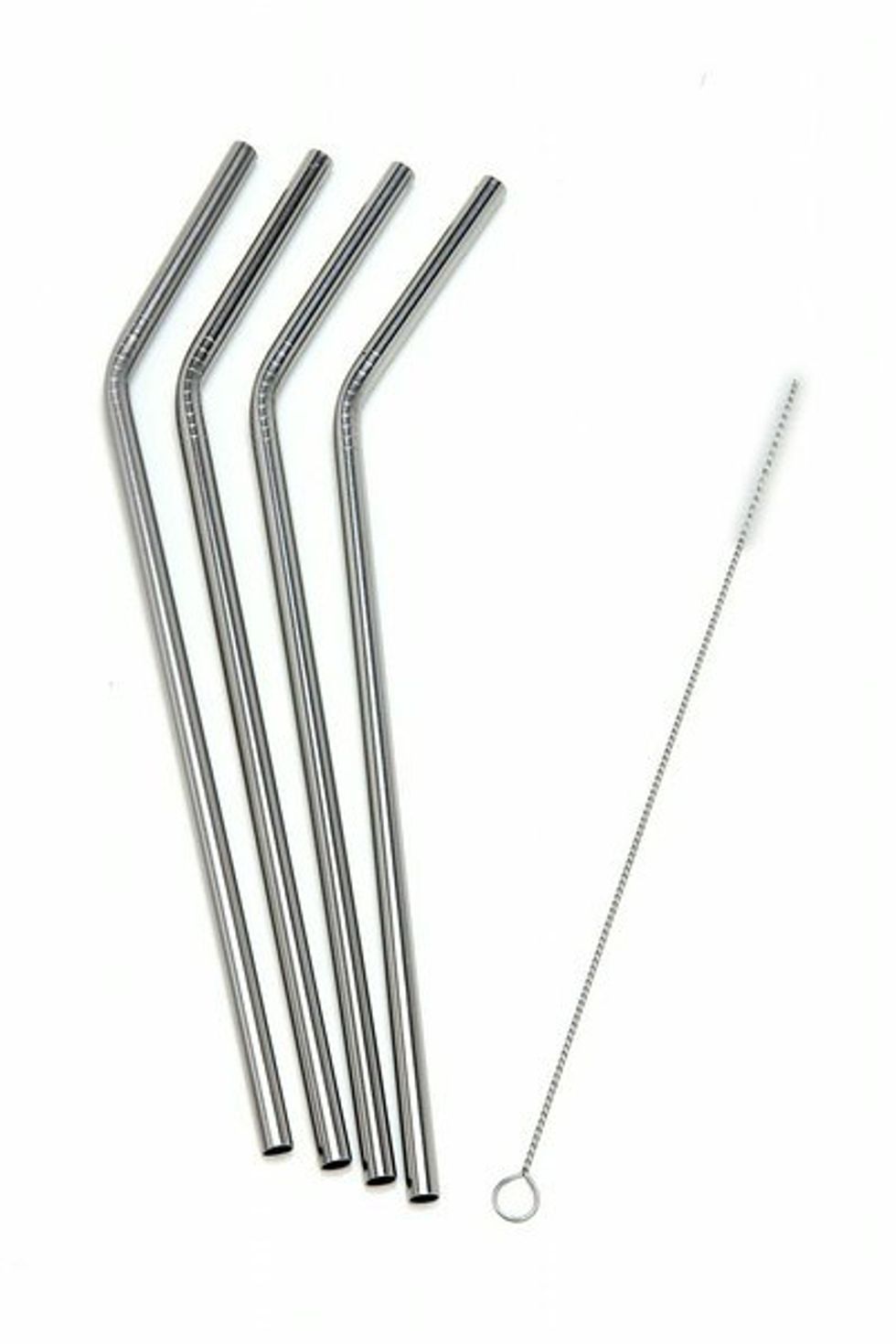
I’ve tried carrying around my own beverage container, and not only has it helped me feel better about not using disposable plastic cups in the city, but it saves me money too. Instead of purchasing a new beverage every time I get thirsty, I pull out my own drink. And at a lot of places, including on campus, you get a discount for using your own bottle- just take the top off for health safety. This kind of money saving is a pattern in sustainable living, with food, home, health and beauty and really anything you can think of.
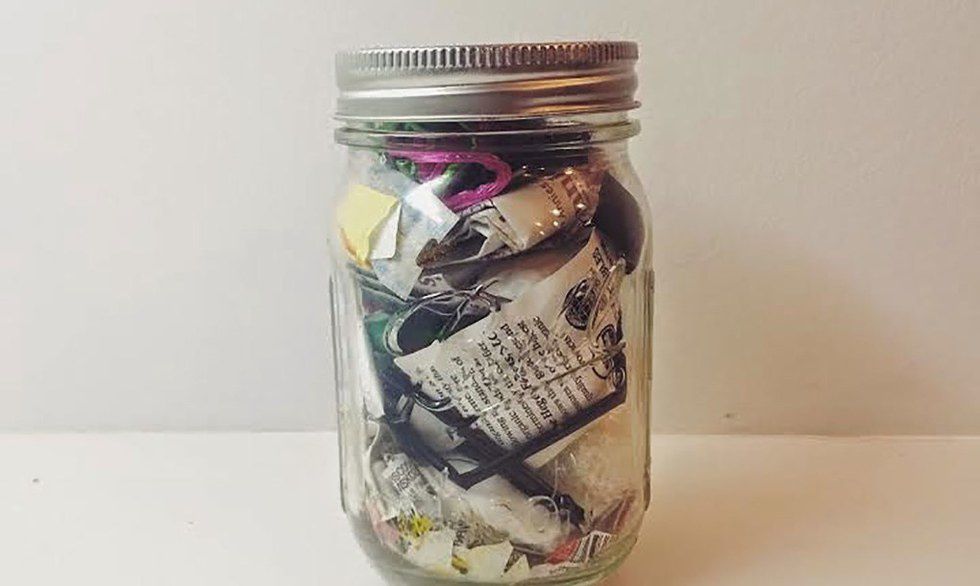
Plastics aren’t going anywhere, unfortunately, but we can make a huge difference as a community to keep them from accumulating! Sustainability Coordinators on campus are working on a reusable cup awareness campaign with some possible competitions among dorms. 5gyres.org is always having programs; in the most recent they pushed banning plastic bags in California. Another one of their notable programs was “Ban the Bead," which talks about the microplastic exfoliates in many beauty products, especially in face scrubs. Another recent trend has been the zero waste lifestyle, made popular when New Yorker Lauren Singer posted a picture where she fit two years worth of her trash in a single mason jar. Then there are beautification projects anywhere locally, where the public has the opportunity to witness firsthand the waste that accumulates simply on the surface. Some even come with incentives; free giveaways anyone?
Even with all this, there's always more to learn, and different ways that are more convenient for different people to do their part in ensuring a healthy environment for future generations. But this is a pretty good place to start.