
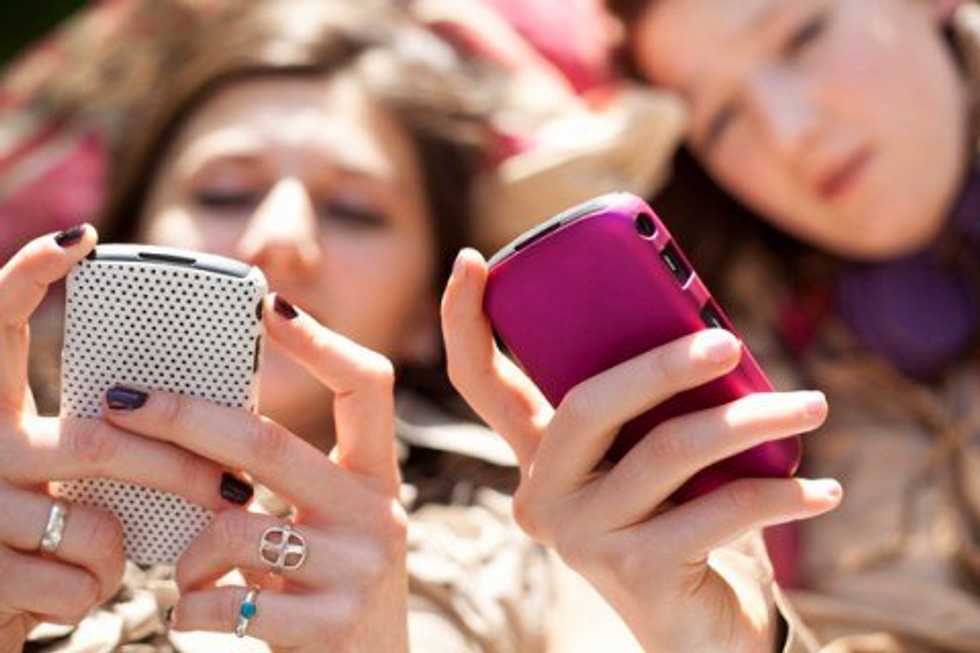
Somehow, our whole lives have been shoved into an object smaller than our hands. The ability to communicate in-person with new and old friends, the courtesy of looking someone in the eye and the power to live in the moment have all been sucked up into a cellular vortex.
Somehow, we consider ourselves "friends" in real life with the people who like our pictures on Facebook and Instagram. However, if we were put into a room with more than half of our friends and followers, we would likely have nothing to say. "Thanks for the like," we would say. "Your pictures are cool, too." End of conversation.
And, somehow, we allow ourselves to duck our heads and miss the world around us while aimlessly scrolling through social media—even if we are surrounded by something more interesting that what is on the screen.
How did we let all of these basic skills slip away from us, and why aren't we trying to regain them?
I understand that sometimes, it is easier to look at our phones instead of making conversation with new people or to obsess over which filter to choose instead of paying attention to a family conversation. With the availability of new apps and updates, we have completely lost the ability to be social.
Our parents always tell us to put our phones away—at the dinner table, while talking to relatives, in the movie theater. "But why?" we ask. "Just because," they say, "It's rude." Not only is it impolite to our relatives and the other people trying to watch the movie, but also it is disrespectful to our parents, who want to talk to us in person when we are not at school.
The good thing about our cell phones is that we are able to dictate how often we use them, no matter how hard that may be. Though we lack self-control, we cannot magically create friendships and strengthen current relationships without changing our habits.
It is possible to make this change.
We need to vow to put our phones in our pockets during meals, to keep them across the room when we hang out with friends and to look straight instead of down when we walk through the streets. If we do this, we may be able to break the addiction to having a good like-to-minute ratio, and actually use these minutes to engage in meaningful dialogue.
Though overuse of our phones is preventing us from forming new relationships, and the problem also extends to the people we have known forever. We may not believe it is always important to pay full attention to our oldest friends since we have known them for years, and we think they will not mind if we daydream off into Twitter-land. The less we speak to one another, however, the more tension we put on these friendships that may not last forever if we continue to ignore each other.
When eating dinner out with friends or family, try placing your cell phones in a pile in the center of the table. The first person to reach for their phone is required to pay for the meal. Though many people have heard of this trick before, it rarely works; one person generally makes an excuse to pick up their phone (without needing to pay), which is followed by an immediate sigh of relief when the rest of the group can finally check their beloved Instagram feed. An actual attempt at this activity, however, will generate better conversation.
I urge you to make simple goals for yourself and stop letting your phone have all of the control. Try leaving your phone in the other room while watching TV with your family or turning it off an hour before you go to bed. Every little change helps.
Do not let a small, inanimate device restrict you from enjoying your life with those who matter.