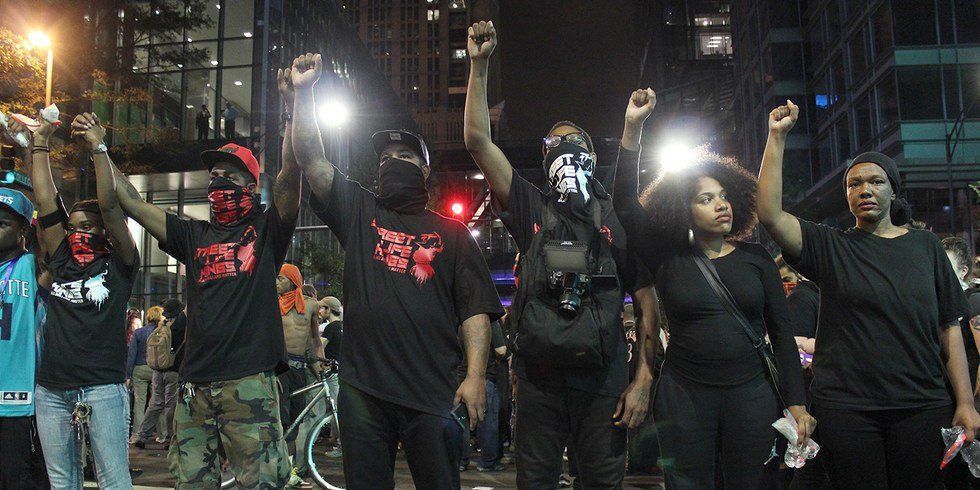
The institutionalized racism that plagues the United States has been consistently questioned by people of color. The killing of Trayvon Martin seemed to serve as a propeller for many. Voices filled with outrage began to draw the attention of the media. Vigils and rallies were broadcasted on major news networks to show the mourning of a community. In many ways, the death of Trayvon Martin sparked a national debate. While he may not have died at the hands of a police officer, he was nonetheless held accountable for his own death.
The debate that followed the tragic killing of this teenager put the racial relations of this country on blast. All of a sudden wearing a hoodie at night was seen as threatening and running while black was associated with guilt. The black community rose up in defense of Trayvon Martin and his family. Black celebrities and athletes who spoke out against the injustice that Martin represented were given the side-eye. It seemed as though white America could not handle people questioning the deep-rooted racism that the United States was built on. The rallies and debates that followed this tragedy were not peaceful enough to stop people from questioning their motive and usefulness.
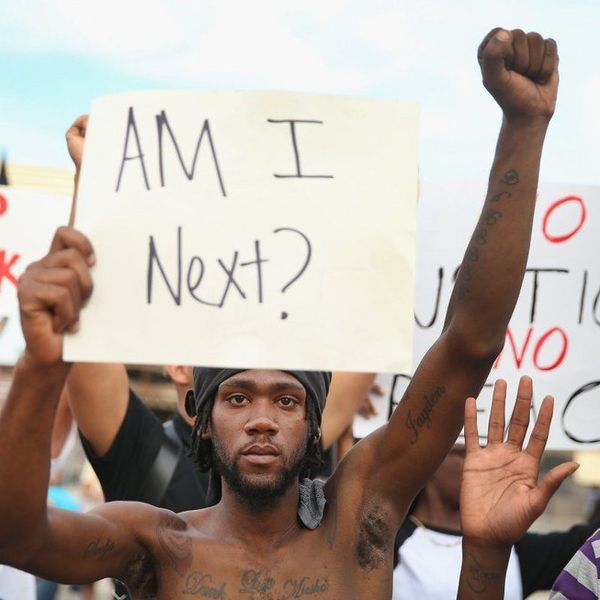
Over two years after Trayvon Martin, the killing of Michael Brown took place. The riots and protests that ensued were widely condemned. The violence and destruction that took place were seen as unnecessary. Criticism rose from all parts of the nation -- the common sentiment was that rioting was not the solution. The media, politicians and civilians called for peaceful protests. It seems as though they had forgotten that over two years ago the black community was being judged for peacefully objecting to the killing of Trayvon Martin and later to the acquittal of George Zimmerman. The discomfort that people felt when race relations were questioned in 2012 was still being felt in 2014. The methods chosen to draw attention to this serious issue is not what makes people uncomfortable, but rather the conversation on race itself is what is unsettling for many.
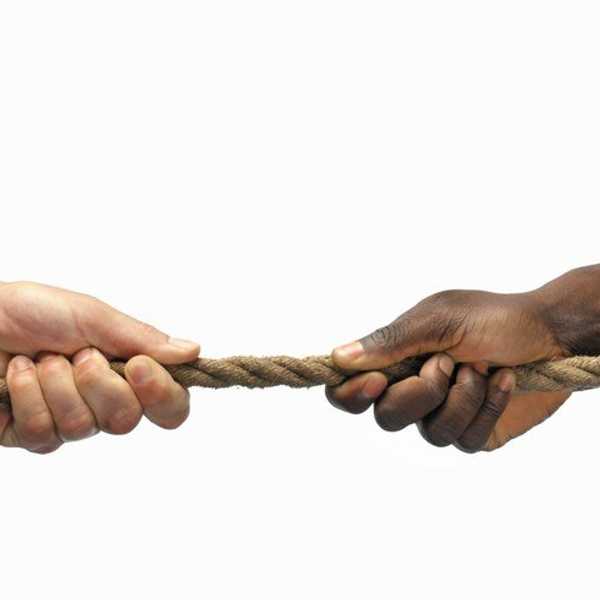
Fast forward to 2016. Beyonce delivers an amazing halftime Super Bowl performance alongside Bruno Mars and Coldplay. People across the nation are immediately taken aback by the uniform that Beyonce and her backup dancers are wearing. Their ode to the Black Panthers was seen as offensive and out of place. Police officers even threatened to refuse to work at any of Beyonce's upcoming performances. Her peaceful protest was not taken well. It seemed as though all the ones who called for peace during the Ferguson riots were the same ones condemning Queen Bey. Currently, NFL player Colin Kaepernick is experiencing similar backlash for refusing to stand during the national anthem. These are two examples of peaceful protests that have been ripped apart. This raises the question: are black people expected to be peaceful or passive? Is America's ego so fragile that when a football player kneels, it is seen as absurdly disrespectful? Is it more important for black people to protect the feelings of white people than it is for them to stand up and combat the killing of unarmed black Americans? Do white people want us to peacefully combat systemic racism or do they expect us passively watch these injustices take place and pray things will get better?
The thought of admitting that racism and discrimination still exist in the United States is in many ways admitting defeat. It is saying that the progress that has been made is not enough. The movements led by Martin Luther King, Jr. and Malcolm X were not enough to take away the hatred of blacks and people of color. The numerous pieces of legislation passed were not enough to make all white people see blacks as equal. As people continue to call for peaceful protests, I wonder, are people of color being asked to remain peaceful to put a stop to violence or is it to protect the comfort of white America?