
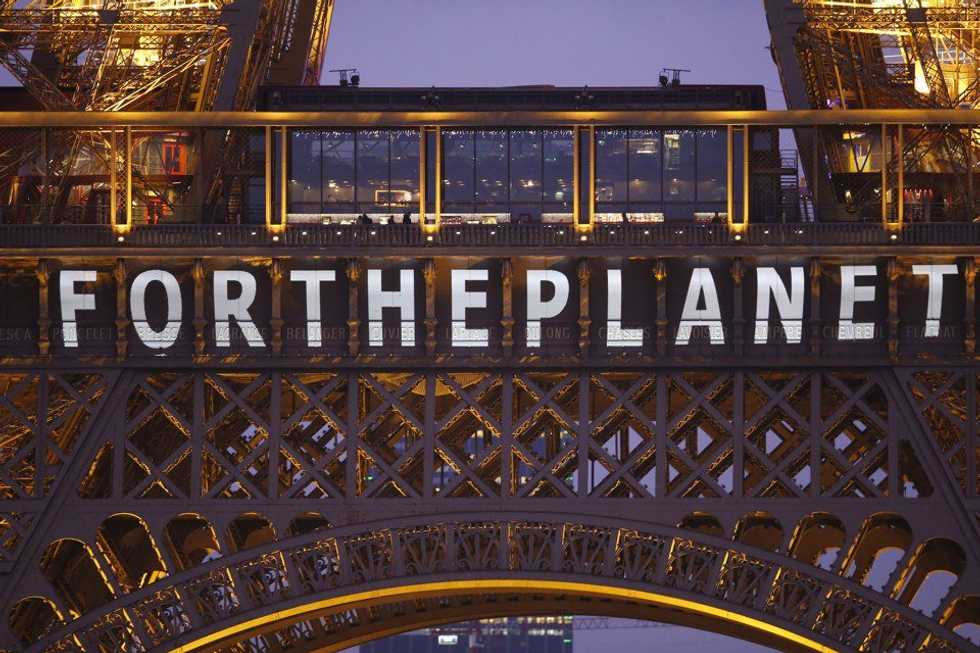
In honor of Earth Day, it seems only fitting that we take a moment to examine the state of our planet. First: some good news. On Earth Day, 2016, 150 countries will gather to sign an agreement proposed by the United Nations to lessen greenhouse gases emitted by humans and shrink our carbon footprint. That might be more necessary than you think.
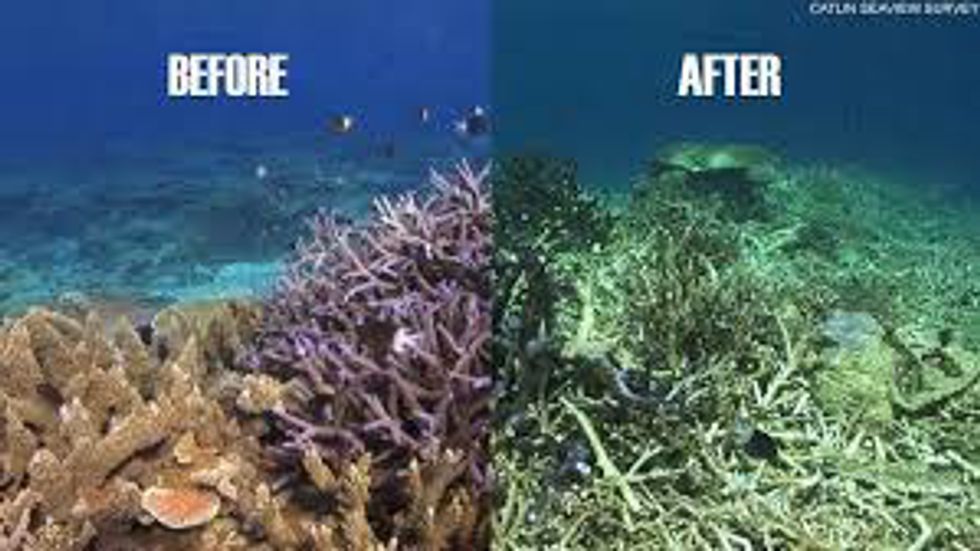
The first three months of 2016 have been the hottest on record. Rising temperatures are literally killing coral reefs. Historically, Greenland’s ice sheets have never melted this much or this quickly. This year has shown the most powerful hurricanes in both the Northern and Southern hemispheres. California is in the middle of a long drought. Sea levels are rising with no sign of stopping and eventually, if we decide that it is too “inconvenient” to change our habits that effect the only planet we live on, cities will be underwater.
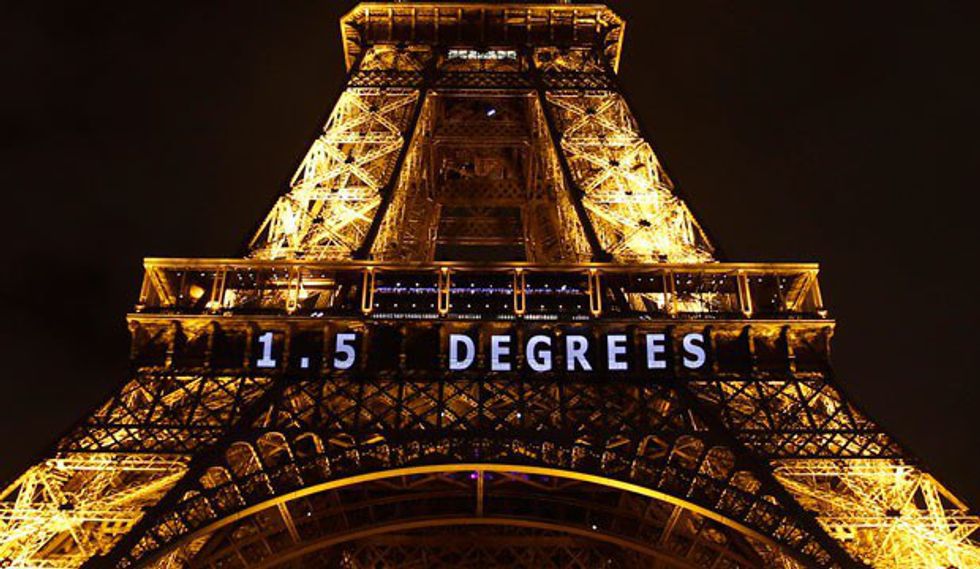
More than 150 countries have stated that they intend to sign the Paris Agreement. The aim is to first stop the rapidly rising temperatures from increasing any further. Next, they would like to lower greenhouse gas emissions in a way that will not significantly threaten food production. Finally, making “finance flows” compatible with climate resistant development. Essentially, making going green more profitable to entice large corporations into caring about the planet that we all live on. The overarching goal of this agreement is to ensure that climate change does not exceed two degrees Celsius, or 3.6 degrees Fahrenheit of the preindustrial average.
The way that these countries will work to meet these goals will have to be individualized based on current greenhouse gas emissions, economic resources, and dedication to this cause. Every five years, an amount of a particular country’s contribution and a goal will be reported by the country to the UNFCCC Secretariat, with the intention that every year the goal will be to further decrease environmental impact.
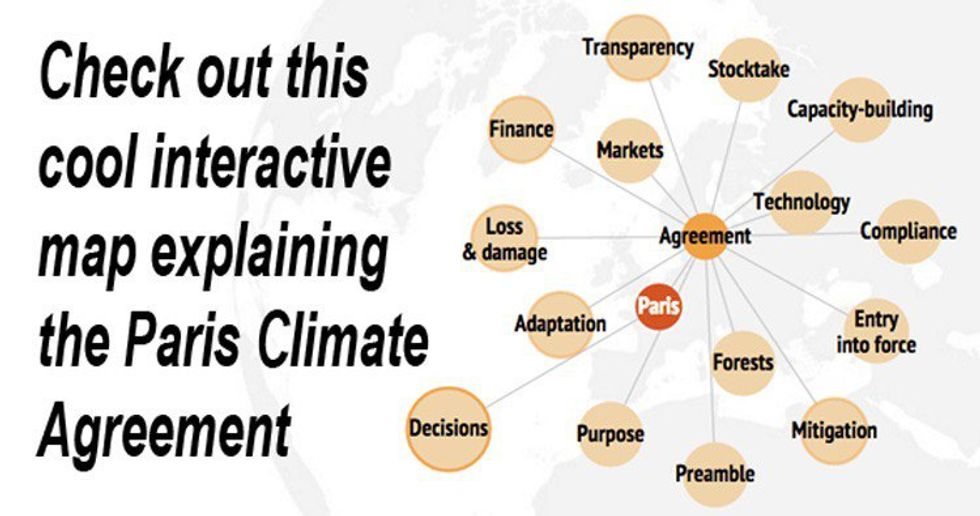
The accountability for this system is essentially “name and shame." Countries would be expected to report their emissions, make progress, and work towards making these systems profitable. There is no “tax” in the case of failure, but deficiencies will be reported publicly. The plan is much more nuanced and complicated than I've explained here, but the basic goals and the way we will achieve them remain the same. Here's a fun chart explaining the plan further if you're a visual learner:
So cool.
For the Paris Agreement to even pass, fifty five countries will need to ratify it. In the past, this seemed impossible, but this year it’s looking exceptionally likely. While the Paris Agreement would be a step in the right direction, it isn’t going to solve all of our problems. With pledged countries current targets, it’s more likely that we will blow past the two degree Celcius target, despite China and the United States, the world’s two biggest emitters, stating they will do their very best to lower their rates. In fact, some marine biologists are stating that these bleached coral reefs are a sign of irreversible damage to the environment and show that there has already been a dramatic change.
So that’s it. We’re doomed. We might as well all buy individual Hummers, increase our foot prints even more by eating meat every day (if you aren’t already), and keep our homes temperatures at eighty degrees all year long.
Just kidding. Humans have been solving problems since day one, and this is a problem we can solve. The Paris Agreement will not be the final solution in climate change but that doesn’t mean it doesn’t matter. It’s going to take unity between countries and real determination to fix this problem instead of the half effort that we’ve been putting forward in the last few decades. The Paris Agreement can, and hopefully will, mark a groundbreaking innovation in our resolution to solve climate change, but first it needs to pass. It’s our biggest issue humanity has faced so far. Let’s get to work.