


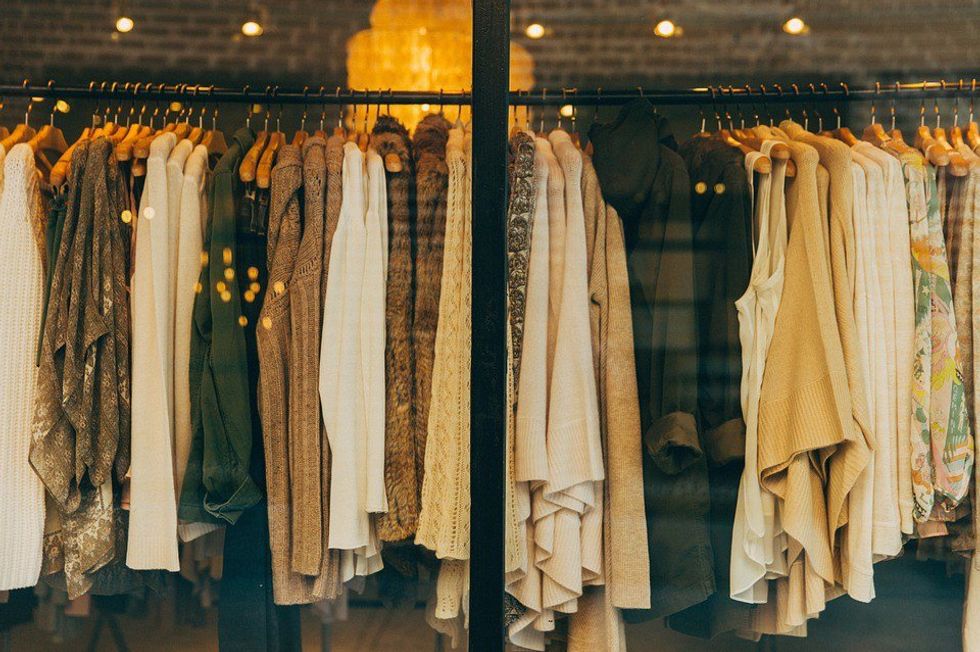
The economics of fashion have changed drastically over the decades. Clothing prices have dropped exponentially, and Americans have almost become addicted to the cheap items churned out by "fast-fashion" retailers. This phenomenon -- whether or not you ever considered it one -- is exactly what journalist Elizabeth Cline explores in her book "Overdressed: The Shockingly High Cost of Cheap Fashion."
Cline's book makes salient points and raises vital questions about Americans' closets and expectations of fashion. She describes our cycle of fashion purchasing, and, in the process, she emphasizes how most Americans understand that you get what you pay for. We know that a pair of $15 shoes won't last an entire season and a $19 dress might not survive the third wash. But this is not a problem we can't solve because cheap prices make our wardrobes replaceable. Often, we don't flinch at the thought of repurchasing essentially the same item every three months. This habit of buying and re-buying has become the bane of upper-middle class consumers, and it can cost us much more than investing in higher quality (and higher priced) items.
Cline outlines the environmental and human rights issues that our shopping habits cause. As we cycle through massive amounts of clothing at an unprecedented pace, we create waste. Our basements and hallway closets turn into interim landfills, the places where clothes go to languish until they're eventually donated and thrown away. It is gross material waste. And the factories churning out these fashions run on your dime, not your ethics. Factory workers still deal with unsafe work environments and low wages.
In the first few pages, Cline demonstrates why her argument is relevant to our world as a whole. However, this book does not only appeal to society as a whole, but it's also personally relevant. As I write this article, I can glance over my shoulder and peer inside my closet, stuffed with blouses and sweaters that have fallen out of style. I can't say I paid more than $40 for a single item I own. I've never had to buy clothes for more than that, though, and countless millennials can say the same. This isn't to say we're cheap -- we'd just prefer to shell out for megabytes than synthetic fibers.
So can our generation, stuck in the rut of fast fashion, change the attitude toward material goods? Will the contents our wardrobes always be so disposable?
"Overdressed" made me ask these questions. Granted, there are no simple answers. No one will be able to write an article titled "How To Fix The Fashion Industry And Change The World In Six Steps." But I do think change will come from increased awareness and accountability and from the communal effort of consumers around the world.
The glory of Cline's book is that it isn't meant to shame, but educate. I did not feel a crushing sense of guilt while reading, nor did I have the urge to shift blame for my own consumerism. Cline achieves this nonjudgmental yet objective tone by throwing herself into the mix with her readers. She opens with an anecdote about her experience buying several pairs of $7 shoes from a certain discount retailer, explaining how they disintegrated and lagged behind a rapid-fire trend culture in a matter of weeks.
It's an eye-opening read and short enough to hold a highschooler's attention all the way through. The writing itself is clear, accessible, and, when the subject calls for it, humorous. It's a book that encourages thoughtful questions and responsibility. If you have any interest in fashion and consumerism, put this title on your list.















