I’m no theology major, but I’m pretty sure there was no Easter Bunny in the Bible. I also don’t recall pastel eggs scattered around the tomb of Jesus or jellybeans being an essential element for the resurrection of Jesus either.

That’s because these classic traditions that we have come to know and love developed over many years and in many different countries. Here are a few fun facts on the origins of Easter traditions.
1. The connection with rabbits and Easter developed in Protestant Europe in the 17th century for their symbolic representation of new life which is closely tied with season of spring and Easter. The idea of the rabbit didn’t come to the United States until the 18th century when German immigrants brought the tradition with them.
2. In other countries, different animals deliver Easter eggs. For example, in Switzerland the cuckoo bird is the one who brings eggs. In Germany, children wait for the Easter fox, chick, rooster or stork to bring their eggs.
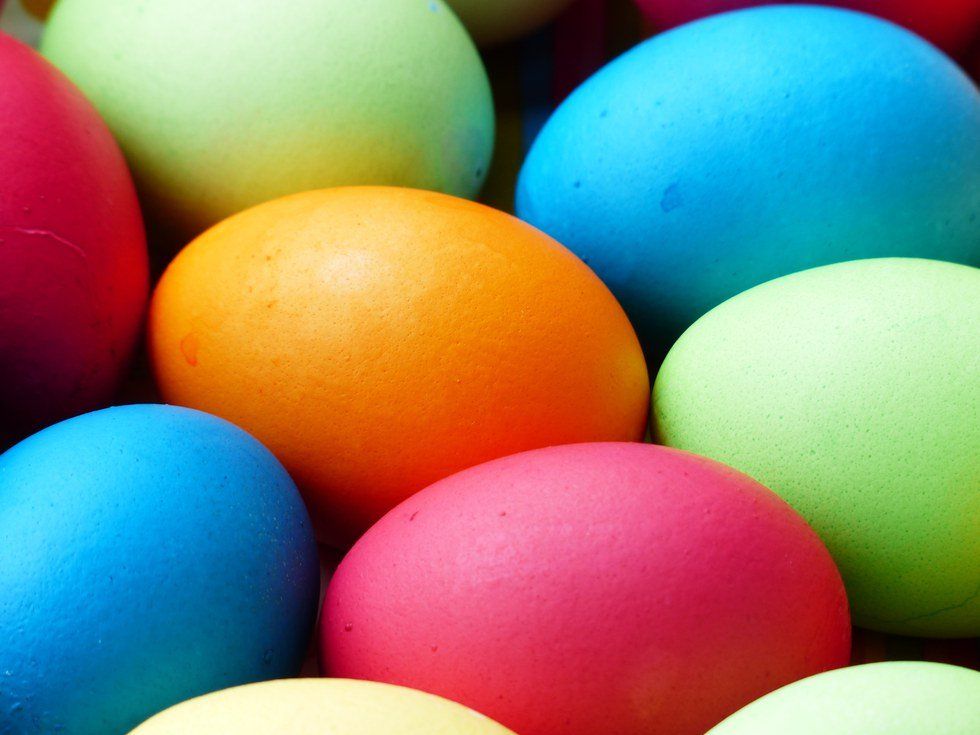
3. Eggs became related to Easter because for many centuries, eggs along with meat, wine, cheese, milk and other foods were banned by the Church during the season of Lent. When Lent ended, eggs were a special treat to have after going so long without it.
4. Although the tradition of decorating eggs dates back to the 13th century, it became especially popular during the 19th century Russia where royalty and the social elite began gifting each other jewel encrusted eggs during Easter.
5. These lavishly decorated eggs became popular thanks to Peter Carl Fabergé who was commissioned by Czar Alexander III who wanted them created as a gift for his wife.
6. Jelly beans became a popular Easter candy in the 1930’s when merchants began noting how similar they looked to Easter eggs. Now, 16 billion jelly beans are produced for Easter each year.