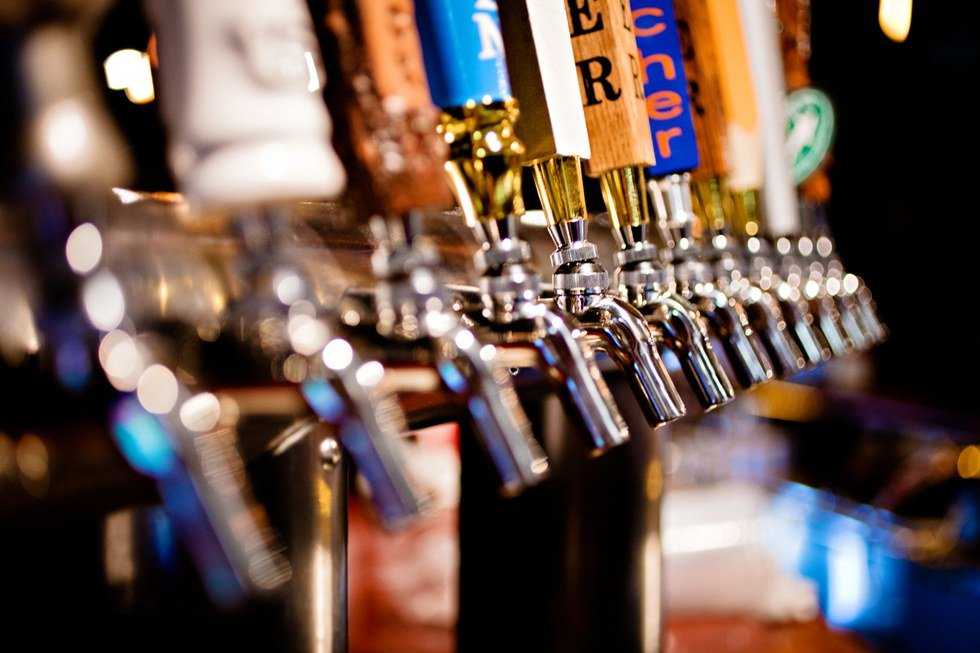
Oregon has a love affair with beer.
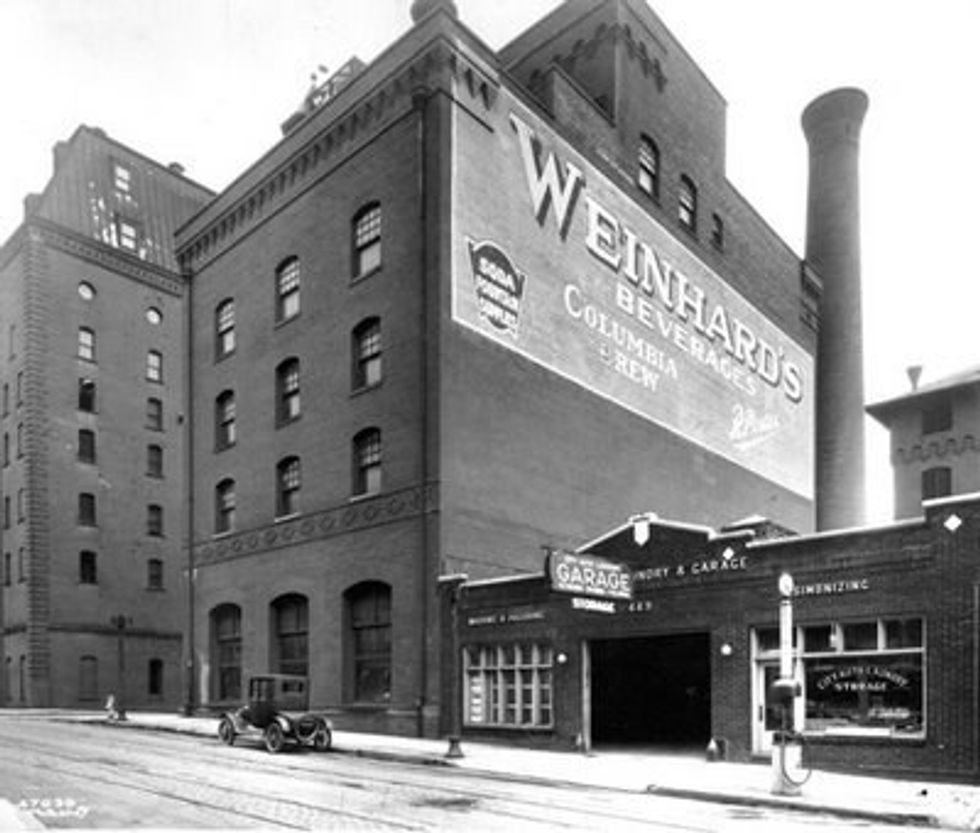
In 1852, Henry Saxer opened Liberty Brewery in Portland, the first brewery in Oregon. He was succeeded in by German immigrant Henry Weinhard, when he purchased Liberty Brewing in 1862 and by 1875, his production had grown to more than 40,000 barrels.
By the mid-1980's, a small group of individuals with a taste for beer and a head for business began opening small, commercial beer-making enterprises known as microbreweries. The microbrewery, known more commonly as the craft brewery, revamped much of the old-style tradition of beermaking. Again, beers were crafted with natural ingredients and produced in small, handcrafted batches too costly and time-consuming for large commercial breweries.
The microbrewery movement was slow to start, but once people got a taste of the craft, took off like a horse at the races. By 1985, there was a mere 21 craft breweries in all of the United States. Today, there are more than 3,000.
In 2008, Oregon ranked 3rd in the nation in craft breweries per capita. The city of Portland alone boasts 61 breweries, 91 in the metropolitan area. (That is the highest concentration of breweries and brewpubs of any city or metropolitan area in the United States.)
The first Oregon Brewers Festival was held at Tom McCall Waterfront Park in 1988 with an attendance of 15,000. Today, OBF (Oregon Brewers Festival) welcomes a staggering 85,000 attendees with over ninety breweries from across the country - and 15 from New Zealand and the Netherlands - and has become the longest running craft beer festival in the nation.
This year, the Oregon Brewers Festival will run from Wednesday, July 22 through Sunday, July 26. But before you grab your beer goggles and the traditional OBF tasting mug ($7, 14-oz), educate yourself on the difference between ales and lagers; fine-tune your senses to pick up on hops and barley; and get a little beer-ducated.
Beer 101:
You know beer when you see it. Like all alcoholic beverages, from wines to spirits, it achieves its alcoholic status through fermentation. Wine comes from grapes; sake comes from rice; apple cider from, wouldn't you know, apples. And beer? Grains.
Believe it or not, all of those different draughts, bottles, cans, and home brews are made from the same stuff.
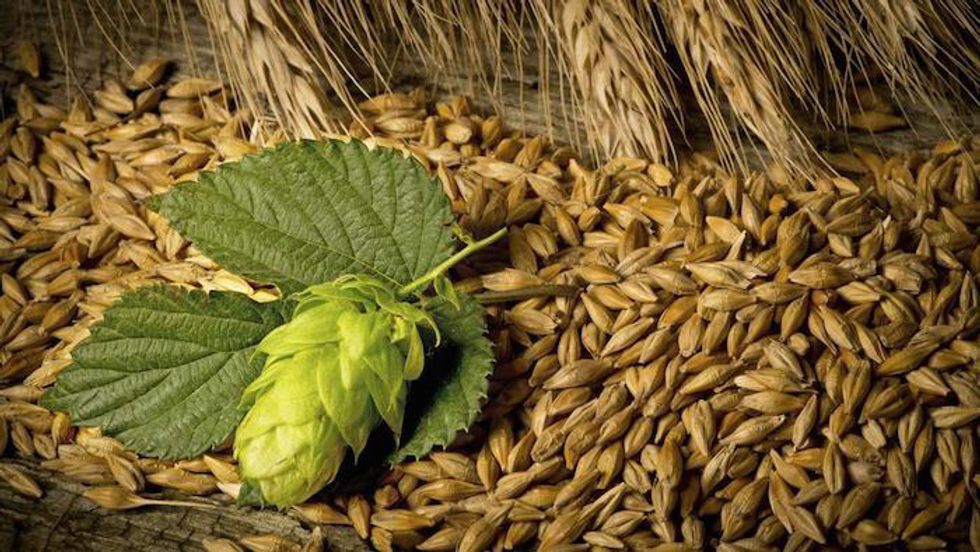
What makes each beer unique is the quality, quantity, types, malt, and treatment of the grains used in the fermentation process.
Ales and Lagers and Yeast. Oh My!
In the wonderful world of beer, there are ales and there are lagers. Sometimes you stumble across a hybrid, but ales and lagers are the big boys on campus. You are probably asking yourself, "Are they really that different? And what makes them so different?" Yes, in fact, and you can thank yeast for their uniqueness.
Because the two types of yeasts used in beer production are so different from each other, the fermentation can take place at different temperatures, which means the attenuation (fancy lingo for converting sugars into alcohol and CO2) can either be long and slow, or fast and quick, creating a well attenuated or not well attenuated beer, respectively. This in turn effects what fruity esters (chemical compounds derived from acids) and compounds remain, the clarity of the beer itself, and how much carbonation it has.
Ales
Type of Yeast: Saccharomyces cerevisiae
This strain of yeast is one of the oldest and heartiest yeasts out there. In fact, it's been used in beermaking for nearly a thousand years. S. cerevisiae is pretty robust which allows it to tolerate more alcohol and often, ales will present with higher alcohol percentages than lagers. Despite it's robustness, this yeast cannot survive in colder temperatures so ales are almost always brewed in higher temperatures.
Like the yeast used to make bread, S. cerevisiae ceases activity at temperatures below 40 degrees F and dies off at temperatures above 149 degrees F. This requires warm fermentation, and warm fermentation means a quick fermentation. With quick fermentation, many of the sugars in the grains are attenuated into the beer creating their characteristically bold and fruity flavors.
Ale Characteristics: If the technical jargon is too much to wrap your head around, remember these traits: fruity and bold, robust, hearty, rich, and complex.
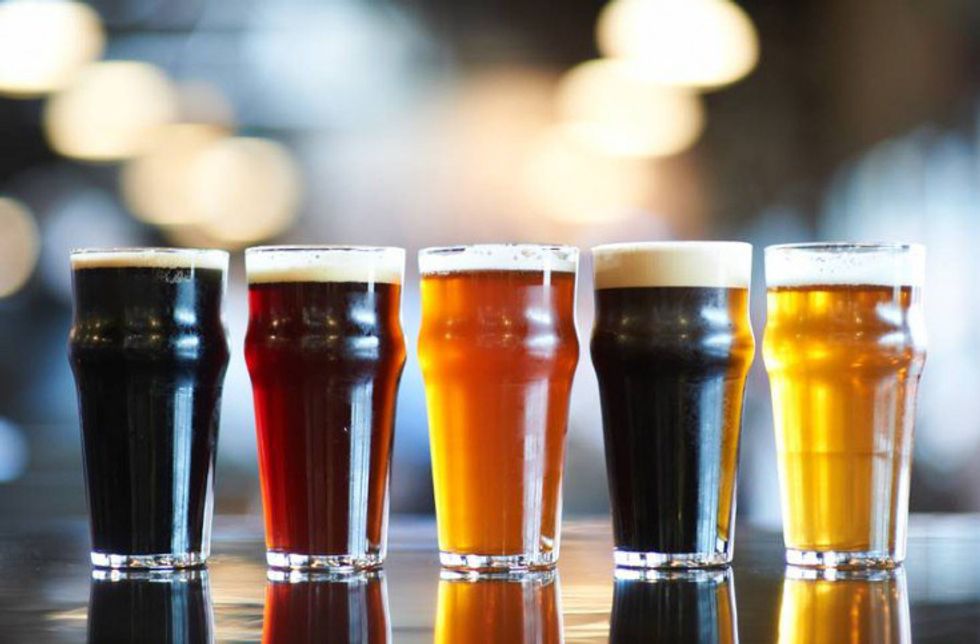
Examples: American Wheat, Gold, or Pale Ale; Amber or Red Ale; Fruit or Pumpkin Ale; Porter; Stout; IPA
Lagers
Type of Yeast: Saccharomyces uvarum
This strain of yeast is much younger than it's counterpart and can withstand much colder temperatures. Because of this, lagers are often fermented colder over a longer period of time and are sometimes aged even longer afterwards.
This cold fermentation means a longer fermentation. This long and slow process creates a smoother and cleaner that tends to have less (if any) fruity esters remaining. This slow attenuation means a beer with more remnant sugars left behind.
Lager Characteristics: To help keep it straight, remember that "lager" sounds like "longer" and you can expect a clear and crisp beer with a smoother finish.
So, if you're making your way to the City of Roses this weekend for the Oregon Brewers Festival or just down the beer aisle of your local grocery store, you can shop and sip with the confidence of a seasoned "Hop Head."