


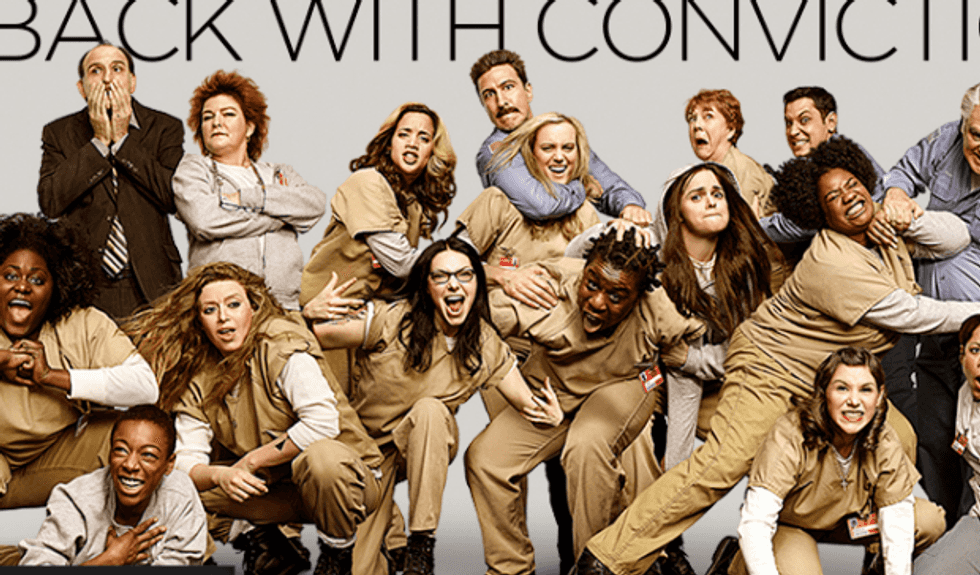
If you’re like me, or probably everyone you know—you’re in the midst of post "Orange is the New Black" (OITNB) withdrawal after the release of the series’ third season on June 12. Although a lot of us participate in self-induced “marathoning,” science suggests that it is not the best thing for us.
Unlike traditional cable television, Netflix has introduced a model in which an entire season of its original shows is released on a set date. OITNB groupies like myself had June 12 circled on our calendar for months in anticipation for the raunchy adventures of Piper Chapman et. al.
With the advent of Netflix, Hulu, Amazon Prime and cable networks themselves joining the trend of streaming shows online, audiences have the power to devour TV seasons with ease in record time.
Unlike a weekly season, Netflix releases their 13-episode season. While the euphoria overcomes audiences who suddenly have the power to see every twist and turn in a season, Netflix original shows like OITNB are released once a year. Now I, along with OITNB groupies, have nearly 11 months to wait until the adventures at Litchfield Prison continue.
To protect yourself from show spoilers, you likely sentenced yourself to a self-induced binge of 13-15 hours in your room, avoiding contact with the outside world, including but not limited to avoiding texts from friends, going on blog sites, or worst of all: Facebook.
But with all this power, are there also consequences to our gluttonous Netflix-fueled marathons?
Researchers at the University of Texas at Austin may have found a connection between our unapologetic tendency to binge-watch and depression, loneliness, and low levels of self-control. The study looked at tendencies of feeling alone while streaming episode after episode on our couches.
While the researchers couldn’t say for certain that binge-watching caused these symptoms, there seems to be a connection.
Along with mental health, perhaps binge-watching also affects physical wellbeing, including fitness, proper diet and even personal hygiene. If you imagine yourself mid-binge session, you likely didn’t imagine yourself drinking water and eating a low fat, low calorie dinner while on a treadmill (If you did, I think you’re doing it wrong).
In a study out of the University of Navarra in Pamplona, Spain, researchers found that people who watch more than two hours a day participate in “mindless eating and mindless snacking.”
The study also found a connection between excessive TV watching and premature death, although the link between the two was not determined.
Whatever your poison, rather binge-worthy show is, perhaps consider that your long-anticipated Netflix-packed weekend might not be great for you.

















