A few weeks ago, I was one of my favorite restaurants with my brother, his new boyfriend, and a few of our friends. As I sat and watched my brother, I smiled as I noticed the happiness in his eyes as he gently touched his boyfriend’s shoulder and kissed him on the cheek. He looked so natural, so authentic, and filled with love.
As they talked and touched, my eyes met a woman's who was sitting directly behind them. She glared at me with a look filled with a unique mixture of disgust and disapproval. I knew exactly what was on her mind. She stared at me, glanced towards my brother, and then back at me.
Almost immediately, I turned to my brother and warned him of the woman’s looks, telling him to “tone down” his affection. However, when I said this, my brother simply looked at me and said “I don’t care,” and reached for his boyfriend’s hand.
I have always identified as an ally, but when that woman looked at me, filled with hate, my reaction was to ask my brother to stop being himself. I felt afraid of what people in the restaurant would do to him and felt ashamed for making other guests uncomfortable. This is exactly why we need pride. Because pride is the opposite of fear and shame.
On Friday, our nation saw a huge victory in equality for the LGBTQIA community when the Supreme Court of the United States ruled that marriage is, in fact, a right. This was a battle won, not the whole fight. Marriage equality is an incredible step and one that has been a long time coming, but it is not the end.
We live in a world where acting on one’s own identity can be dangerous. Disapproving attitudes force people to hide parts of themselves just so that others are not made uncomfortable. People are made to feel ashamed of who they are. I didn’t for a second wonder how that woman dared to make me and my friends feel uncomfortable because my brother’s love is something she chooses not to understand.
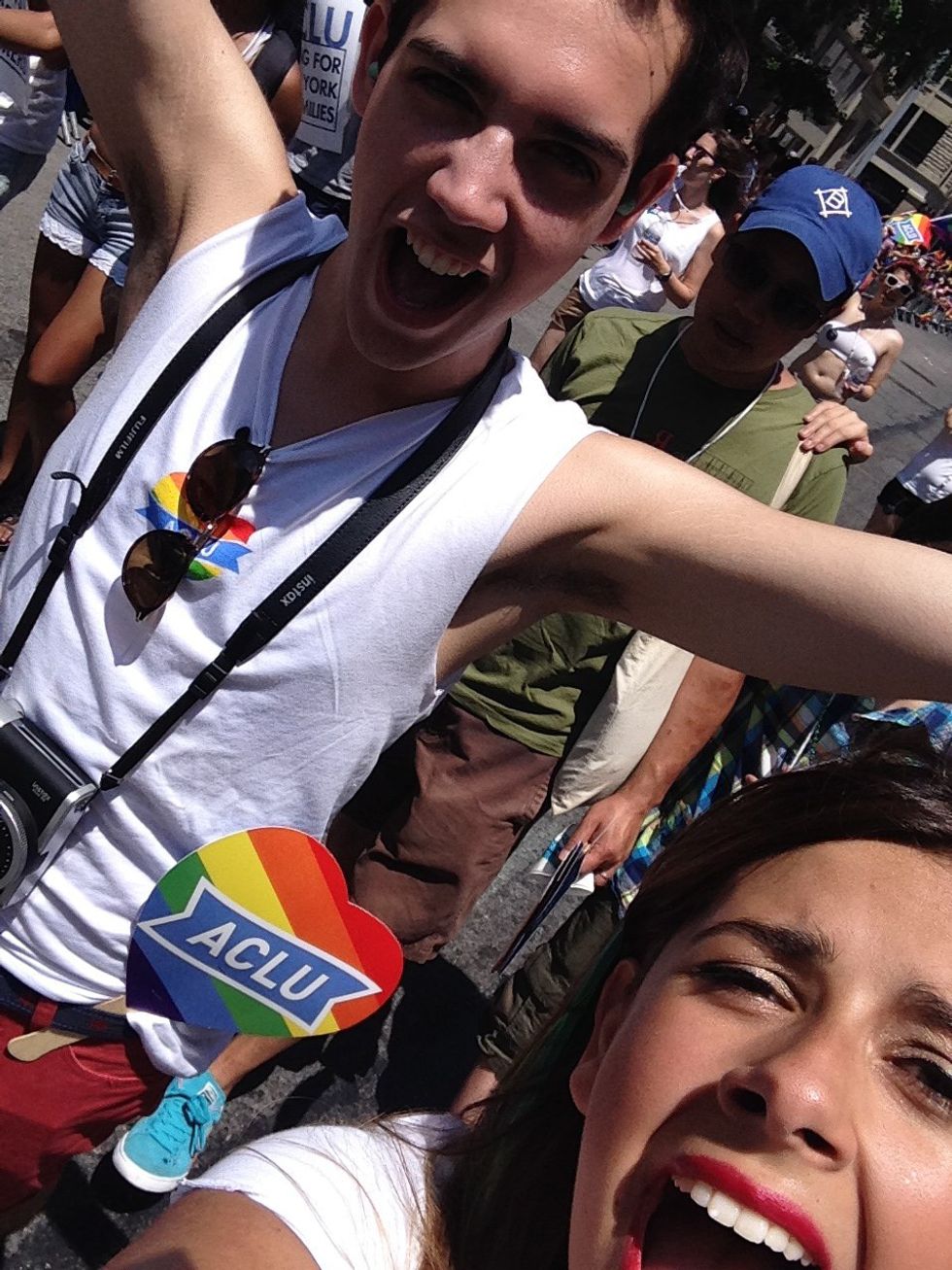
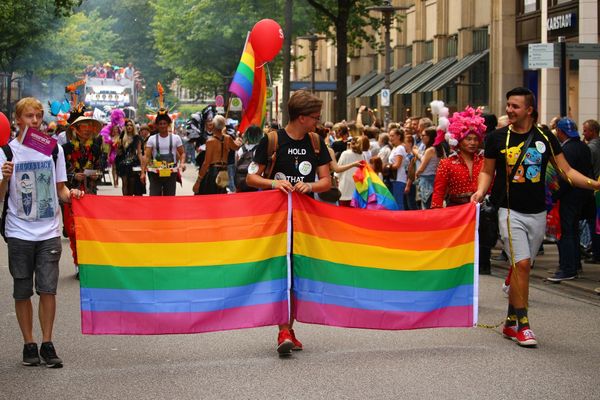
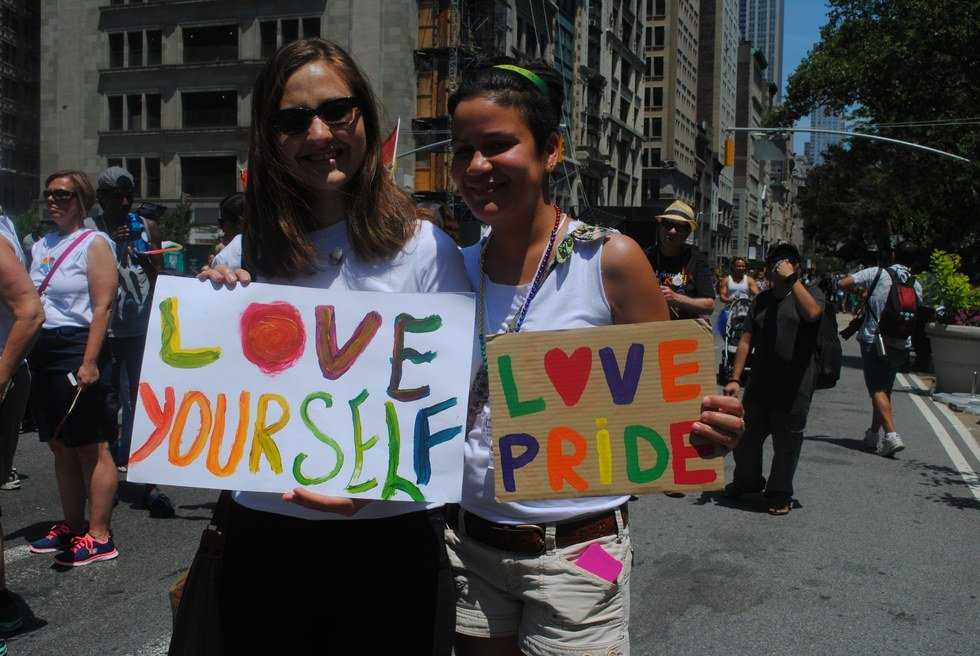
The month of June is recognized nationally as gay pride month. Many major cities participate in pride marches during this month and throughout the year. My family and I are fortunate enough to live close to New York City and have been able to go to the pride march for the past several years. When I first started going to pride, I thrived on the celebration. I got dressed up, waved a rainbow flag, and took pictures with all the fabulous people in drag. However, last year I had the privilege of marching with the New York Civil Liberties Union and my perspective on pride changed. I marched with my mom, brother, and sister. As I walked down the streets of New York City, I realized why we gather to march ever year in June.
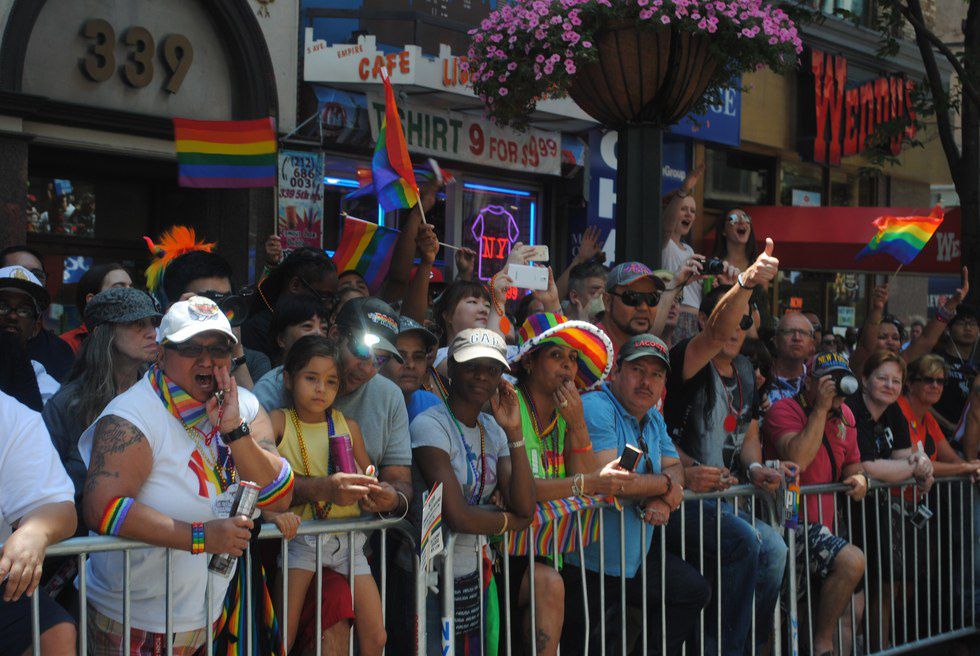
Pride was created after the Stonewall Riots in June of 1969. It started as a march against the unfair treatment of people in the LGBTQIA community by the government and society as a whole. It is about visibility and strength. Marching symbolizes the fact that no matter what, this community cannot be torn down and silenced. Pride was born out of people fighting for their right to simply exist.
We have clearly come a long way since 1969--the historic ruling on Friday proves that--but that doesn’t mean these marches are not still necessary. We all need pride because there are people in this world who are unable to be their authentic selves because it is literally too dangerous for them to do so. We need pride because when my brother came out to me six years ago, the first thing I felt was fear. We need pride because there are schools where queer-straight alliances are banned and there are children who face ridicule every day because of who they love, and because 49 percent of transgendered people attempt suicide. We need pride because people question the validity of sexual orientations like asexual, pansexual, and bisexual, and because people are made to feel ashamed, not proud.
Gay pride marches are so much more than just glitter and rainbow flags. They are powerful displays of strength and a refusal to give up. I admire my brother’s refusal to keep his affection inside. I look forward to a day when that admiration is not coupled with fear. But until that day, we march.