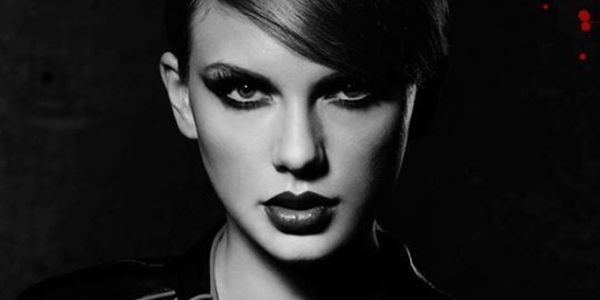


This is a letter to you, Taylor Swift, not to criticize you or berate, but simply to inform you.
In today’s society, the systems of injustice and oppression that victimize marginalized groups in society on a daily basis are becoming more and more apparent, from people of color to those in the LGBTQ community. As more people begin to learn about these important issues, conversations are igniting about how they impact these communities and how to begin reversing their effects.
I understand you are a singer, songwriter and entertainer, and that you do not directly suffer from these said injustices. Your job is to write songs and perform at sold-out concerts and build a relationship with your ever-growing fanbase. However, just because you do not and have never felt the effects of institutionalized racism or any other form of oppression does not mean you cannot learn about it. In fact, you should learn.
Last week, when the nominations for the MTV Video Music Awards were announced, you garnered a total of nine nominations, the most of any artist or music group this year. Your music video for “Bad Blood” is also up for Video of the Year, the most prestigious award of the night. As you may recall, once the nominations were announced, hip-hop artist Nicki Minaj began posting a series of tweets that highlighted the double standard between artists of color and white artists in the music industry, as well as the intersection between race and gender within the business. You responded to her tweets, wondering why she was try to pit women against women. But she was not in the wrong, you were.
The issues she tweeted about are problems that have persisted within the entertainment industry for decades, the very same industry that was built for artists like you. Black artists have constantly been sidelined and ignored for their cultural contributions to society despite their hard work and strong work ethic. They work just as hard as you do, but receive little to no recognition. Since the VMAs began in 1984, 24 out of all 31 winners for Video of the Year were white artists, This means only 22 percent of artists and music groups of color make up the winners' pool. You do not know what this feels like, for everything you do is documented and often praised by mainstream media. This is not your fault, it is simply the culture of the industry, but you need to be aware of it.
As a white, cisgender woman living in today’s world, you hold a staggering amount of privilege. For instance, as a white artist in the entertainment business, you are not held to the same scrutiny as artists of color are. When Nicki Minaj released her “Anaconda” video, many turned her celebration of curvy women into shame for “hypersexualizing black bodies.” When you released “Bad Blood,” mainstream media hailed you for the many women included your video, praising you for promoting “girl power.” When you wrote a letter to Apple asking them to pay artists during the three month free trial of Apple Music, the media hailed you for standing up for hardworking, up-and-coming musicians, noting your influence as a powerful figure in music. But when Nicki Minaj decides to point out the glaring problems in the entertainment industry, she is bashed, criticized and made to look like the angry black girl, while you remained the innocent white victim.
In another point of contention, the “girl power” brand of feminism you preach is highly superficial and misinformed. Many users rightfully characterized your response to Nicki as an example of “white feminism,” a type of feminism where the voices of white women often overshadow those of colored women. This year, you were named No. 1 on Maxim’s annual Hot 100 list, and in your interview you spoke about misogyny and the double standard between male and female music artists often perpetuated by the media.
But another double standard exists, one you did not speak about: The double standard between white women and women of color. As a white musician, you do not suffer the same criticism artists like Nicki Minaj constantly face, and furthermore, white artists are always nominated for awards recognizing achievements in the arts. In the category of music award shows alone, the numbers don’t lie, reinforcing the fact that women of color are hardly recognized for their achievements. In the 2014 VMAs, Beyonce and Fifth Harmony were the only female artists of color to win in their category, while Miley Cyrus won Video of the Year. No woman of color won an award at the 2015 Billboard Music Awards, and the singular black woman to win at the American Music Awards was Beyonce. Even the Grammy Awards, considered the pinnacle for music achievements, are known for consistently snubbing artists of color. In the show’s four most important categories — Album of the Year, Record of the Year, Song of the Year and Best New Artist — no woman of color has ever won.
The reality is even worse for women of color who are not famous rappers, musicians, songwriters, actresses, directors or artists. Women of color are paid far less than white women, and are victims of oppression on a daily basis. Toting around your group of gal pals and posting Instagram pics with your lanky arms around each other makes for cute pictures, but it’s not feminism. Frankly, it’s hard to swallow the girl-power mantra you preach when your girl squad is filled with tall, skinny, white females who epitomize every beauty ideal for women.
It’s time you learn about the systems and the industries that were built to glorify you and benefit you, the same systems which are built to push aside women of color who work just as hard as you do. Feminism isn’t just girl power, it is far more than surrounding yourself with a group of long-legged, blonde-haired models. It’s not just women being equal to men, it’s about women of color being equal to white women, in all aspects of life. These systems and institutions that were built to glorify whiteness and shame blackness are numerous, multifaceted and complex — but it’s time you learn about them.