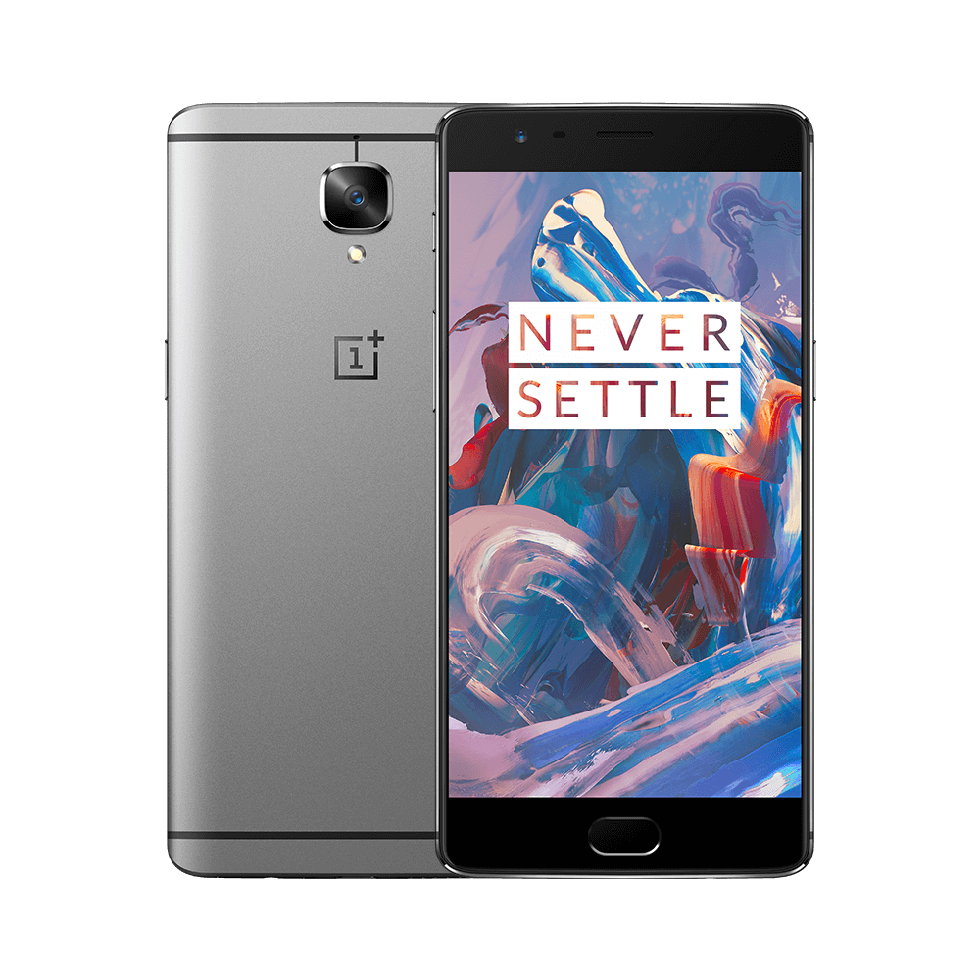
OnePlus you ask? Ah yes, another Android smartphone maker. If you're a nerd, or simply just someone who keeps up with consumer electronics, you've probably heard of them. Their latest smartphone, the OnePlus 3. The smartphone runs OnePlus's Oxygen OS skin on top of Android. The company's North American model is now available for purchase here in the United States. The following is my review of the supposed "flagship killer" smartphone. In this review, I'd first like to list off the smartphone's main technical specifications. According to OnePlus' website, they include:
Processor:
Qualcomm® Snapdragon™ 820 and Kryo™: 2x 2.2 GHz, 2x 1.6 GHz. The Snapdragon™ processor is the most powerful processor yet from well known processor manufacturer Qualcomm and apparently makes the phone more powerful and yet more efficient than previous smartphones.
GPU:
Adreno™ 530
Ram:
6GB LPDDR4 Ram. Most smartphone enthusiasts would look at that amount of RAM and tell you that it is overkill. However, just as it is with computers, the larger the amount of RAM you have today, the longer the potential lifespan of the device. This means that as time goes on, your device could potentially last longer due to the more advanced technology it already has today.
Storage:
64GB UFS 2.0. Essentially this is 64GB of storage space built into the phone. Keep in mind you actually get a little less space to work with after the operating system and system apps are pre-installed.
Display:
5.5 inch 1080p FHD display (1920x1080 pixels) at 401 ppi. 1080p resolution displays do not use as much battery life as 2K or 4K displays on some smartphones.
Cameras:
The back facing camera on the device is a 16 Megapixel Sony made camera with a 1.2 µm pixel size to allow more light into the image. This helps in lower lighting settings.
The front facing camera on the device is an 8 Megapixel Sony made camera with a 1.4 µm pixel size to allow more light into the image. This helps in lower lighting settings.
Battery:
3000 mAh Battery. For the average smartphone today, this is relatively a high capacity battery built into the device. But we must keep in mind that compared to the likes of Googles Nexus 6P's 3450 mAh battery size, this is standard. Also something to note is given that the display is only 1080p, it doesn't use as much battery life.
Other features include dual sim card support, a fingerprint scanner, Bluetooth 4.2, and various features built into the Oxygen OS software such as customizations and features which are normally not available on stock Android. The supposed "flagship killer" smartphone appears to be a worthy adversary to the likes of the Google Nexus 6P and many others on the surface. However, the phone is flawed in one major way. Unlike many other flagships, the OnePlus 3 smartphone is not capable of using the first and fourth largest networks in the United States, Verizon and Sprint respectively. And although this is still a smartphone with great hardware, that does not matter, if you cannot even use it on two of the four major networks in the United States. OnePlus 3 only equals two when referring to the number of major carriers it supports here in the states. Perhaps OnePlus will get it right when they try adding OnePlus 4.