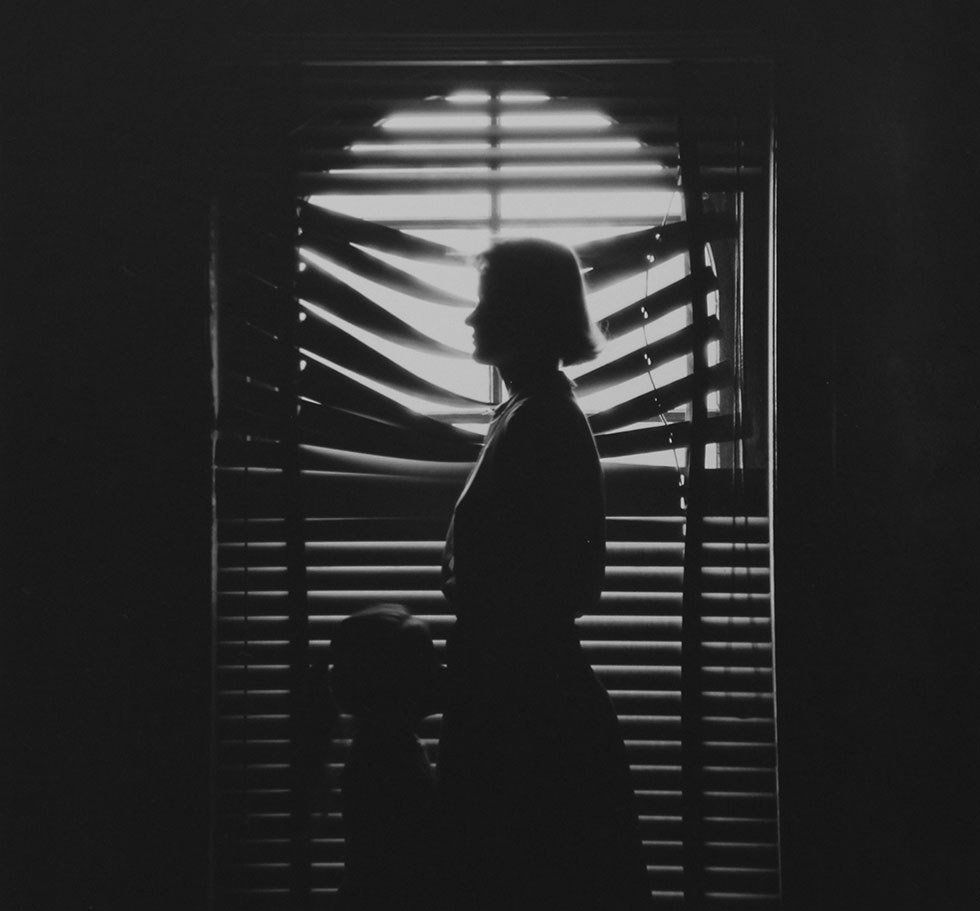
I’m tired of all the invective aimed at mothers. The idea that our mothers are at the root of our problems, the instigators of our insecurities is getting old. It’s a timeless character: the wicked stepmother, the self-absorbed mother, the mother who abandons. If these women were given more than a glance-over, they would be shown for their complexities. The wicked stepmother is nothing more than an insecure replacement, the self-absorbed mother just a woman with priorities besides her children, the mother who abandons was simply unprepared to raise children.
To be fair, there is no such thing as a perfect mother, just like there is no perfect woman or man. But why do fathers fare so much better when reflecting on our childhoods? Nobody mentions the absent father, the travelling salesman. Their freedom comes at no price, a given for their genetics. With mothers, we expect more. Our carriers, we presume they owe us their hands forever, their full attention, their eyes. Unlike fathers, mothers nourish us in a way that is essential to our survival. The problem with mothers is that we mistake them for more than normal people, holding them up as demi-gods to our self-absorbed worlds.
The social norms of today’s society suggest that mothers should resemble the women with ponytails in the Tide commercials, the slack-wearing women behind the kitchen counter, smiling. In many to most advertisements, if there are children shown, a mother is close behind. Studies show that birth rates in millennial women have decreased by 15 percent between 2007 and 2012—the number expected to increase as time goes on. And who can blame us when motherhood has become synonymous with a long grocery list of things we can no longer do.
When taking a Polish cinema class, we watched A Woman Alone; a film about a single mother who is dissatisfied with her life, finding joy only in the half-pleasant moments of her new boyfriend. Eventually, she leaves her son at an orphanage and has her lover kill her, torn between her child and her want for a better life. The majority of the class did not feel sympathy for her. They were incapable of separating the woman from her act of abandonment. Though the director played out her complicated emotions well, the audience didn’t care about them, her bad motherhood more powerful a tool for judgement than her unhappy womanhood.
Seeking one woman, late twenties with good smile, warm disposition, gentle hands and a husband. Must be willing to abandon all aspirations, cook well, and help out at after-school functions.
When spelled out on paper, it looks ridiculous. But the fact of the matter is that this idealistic image is spoon-fed to us like the green pea shit these poor women are feeding to their babies. The best we can do is shake our heads furiously from side to side, afraid to part our lips and be forced to swallow it.