
Allow me to start off with a story.
“It was a dark and dreary morning, yet I had a friend in my living room whom I had to entertain. We had exhausted our rations of multiplayer games and were sitting there less than content with our popcorn and blank screen of my high-definition TV. I was not sure if we would make it through the night before turning over to boredom’s side and running around the house like two adrenaline-induced primates.
It was then that I realized that I had one option of video game freedom left hidden deep within my shelf. It was my Nintendo Entertainment System--or NES as it is normally called--and I had the original Super Mario Bros that we could enjoy. I plugged the system into the TV, blew the dust out of the cartridge and away we almost went on a magic journey through the Mushroom Kingdom. However, this was not the case.
All that appeared was a tapestry of fuzz and frizz that showed no resemblance to the now famous magical world. What ever was the problem? Upon further inspection and a quick message to my brother, we found that my TV was too new and the NES too old to be compatible with each other. The villain was the newer TV! Insanity! My brother-in-arms and best friend left the building as if Elvis himself had come back from the dead just to leave again. There I sat alone in a puddle of my own tears that crept their way to my precious NES, found themselves inside the electronics and ruined the system for all eternity.”
If you did not realize, this was highly fictionalized and dramatized. However, this event did occur, just without all of the drama that made it sound like I was whining over a small issue.
Yet, what happened did spark a thought in my head. Is newer necessarily better? I know this has been a question on everyone’s mind for a while now, but I thought about it based on other experiences I have had. For example, I was showing my friends “The Lord of the Rings” movie trilogy on their high-definition TV and I noticed small CGI details I had never noticed before. These were little issues that made the whole scene looked less intense. Watching these movies on actual film or on an older screen left me in blissful ignorance of what was actually there.
This is unlike newer movies that throw the CGI in your face and you can tell how fake most of the film is. It is the same with many new books. For books, the most popular ones are almost rehashed of other books that are usually much better. The older novels whose fame have long outlasted their authors are original beyond belief and do not rely on the popularity of their movie counterparts.
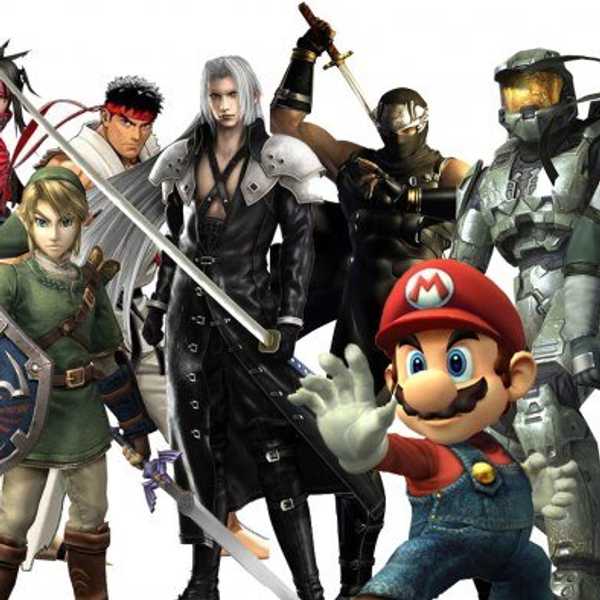
Now what about video games? I started off this article with a story about video games, so how have newer video games faired? Well, my thoughts are that modern video games do not have the charm or classic quality of older games such as most of Squaresoft’s RPG’s. However, like all mediums of storytelling, there are many exceptions that turn out to be fine gems. Modern video games certainly have a plethora of fantastic stories. Yet, the most popular ones seem to be the ones with the best open-world experience. For example, “Skyrim” does not have that great of a story. It can thank its popularity to the amount of freedom players have in the fantasy world.
All-in-all, I thoroughly believe that most older material is better. This could be because coming up with original content is a difficult task, especially since a lot of ideas have already been taken and/or milked to the point of stupidity. But like all things, there are pearls and then there are empty oysters. Let us hope that originality will rise again as a media trend.